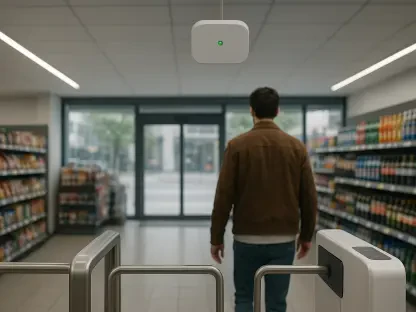

The transition from physical plastic to embedded digital architecture marks a fundamental shift in how global retail chains manage their infrastructure and consumer touchpoints today. This evolution represents more than just a hardware upgrade; it is a systemic reorganization of telecommunications

The rapid integration of sophisticated artificial intelligence into the retail floor has fundamentally altered the traditional relationship between management and staff, turning simple oversight into a complex, data-driven science. In the current marketplace, the shift from reactive, incident-based

A retail environment where shelves appear stocked to the digital eye while physical aisles remain stubbornly empty creates a friction point that modern consumers are no longer willing to tolerate in an era of instant gratification. This discrepancy, often referred to as inventory distortion,

The global retail landscape has entered a definitive era where the once-distinct boundaries between physical storefronts and digital marketplaces have completely vanished into a unified operational model. Retailers are currently navigating a major shift from outdated manual processes to

Walking through a crowded Tokyo train station without ever breaking stride to tap a card or phone has long been the dream of urban planners and exhausted commuters alike. This vision is finally becoming a reality as Japan transitions from traditional tap-and-go payment models toward a truly

The shift toward frictionless digital shopping experiences has inadvertently created an expansive and lucrative playground for sophisticated threat actors seeking to exploit systemic weaknesses. As retailers integrate advanced analytics and real-time inventory tracking into their daily operations,