The traditional retail sector has evolved into an incredibly complex digital network where the ability to synthesize various consumer signals into a single actionable strategy remains an elusive goal for many global brands. While the market has successfully moved toward a digitized ecosystem, the

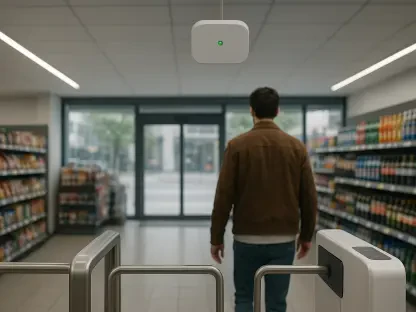
The quiet hum of a modern retail floor is no longer just the sound of ventilation and foot traffic but the digital pulse of billions of interconnected sensors processing data in real-time to redefine consumer behavior. This invisible network, known as the Retail Internet of Things (IoT), has

The retail landscape of today has finally reached a critical saturation point where the sheer volume of disparate technological solutions often hinders operational agility instead of enhancing it. This phenomenon, frequently described as the paradox of technical abundance, suggests that while store
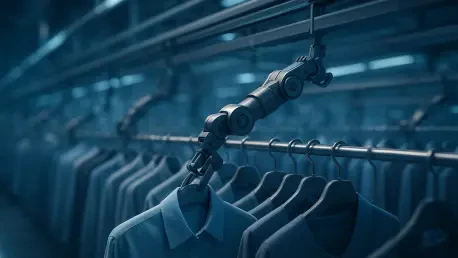
In the high-stakes environment of global fashion, the ability to pinpoint the exact location of a single garment among millions of units has evolved from a logistical dream into a fundamental operational requirement for surviving the current retail landscape. The global apparel sector now operates

The transition from ephemeral, single-use containers to durable, intelligent assets has redefined the logistics of global trade into a sophisticated ecosystem where every crate functions as a vital data point. This evolution marks a departure from the traditional linear economy, moving toward a

Modern consumers are increasingly retreating from the relentless glare of smartphone screens and algorithmic suggestions to find solace in the tactile reality of physical storefronts. This phenomenon, categorized as digital fatigue, has reshaped how individuals interact with the global economy.