
The quiet hum of a modern retail floor is no longer just the sound of ventilation and foot traffic but the digital pulse of billions of interconnected sensors processing data in real-time to redefine consumer behavior. This invisible network, known as the Retail Internet of Things (IoT), has transitioned from a series of experimental pilot programs into the central nervous system of global commerce. By weaving together physical assets with sophisticated digital overlays, retailers have unlocked a level of operational clarity that essentially erases the traditional boundaries between a brick-and-mortar shop and an e-commerce platform. This review examines how these systems function, the technical layers that support them, and the shifts currently dictating the industry’s trajectory.
The Evolution and Infrastructure of Smart Retail
The concept of smart retail emerged from a desperate need for transparency in an increasingly fast-paced global market. Initially, stores operated as black boxes where inventory levels were only truly known during manual quarterly audits. The shift toward IoT-enabled environments changed this by creating a “digital twin” of the physical store. Every shelf, product, and camera now serves as a data point, feeding information into a centralized management system that allows for immediate adjustments to pricing, stocking, and staffing.
This infrastructure is the foundation of the modern omnichannel model, which seeks to provide a seamless experience whether a customer is browsing on a smartphone or walking through a physical aisle. Unlike the isolated systems of the past, contemporary IoT frameworks are designed to be interoperable. This means that a sensor on a milk carton in a grocery store can trigger an update in the warehouse management software while simultaneously alerting the marketing department to a potential trend in consumer preferences.
Core Technical Components and System Performance
Connectivity and Infrastructure Layers
Modern retail environments demand high-capacity networking solutions to manage the massive influx of data from thousands of concurrent devices. High-speed protocols like Wi-Fi 7 and advanced Power-over-Ethernet (PoE) configurations have become the standard for supporting the density of sensors required for a truly “intelligent” space. These systems prioritize low latency and high reliability, ensuring that a point-of-sale terminal never loses its connection during a peak shopping hour, which would otherwise result in significant revenue loss and customer frustration.
Intelligence and Cloud Analytics Platforms
The true value of IoT hardware is only realized when the raw data is processed through cloud-based intelligence layers. These platforms utilize machine learning to transform simple sensor signals into actionable business insights. For instance, instead of just reporting that a product is out of stock, these systems can predict when the next shortage will occur based on historical patterns and local events. This predictive capability allows retailers to move from a reactive stance to a proactive strategy, optimizing the labor of store associates by directing them to where they are needed most.
Edge Sensing and Identification Technologies
Edge sensing technologies, such as RFID tags and smart shelving, act as the eyes and ears of the retail floor. Unlike traditional barcodes that require a direct line of sight and manual labor, RFID allows for the bulk scanning of items in a matter of seconds. This digitized inventory provides a level of precision that was previously impossible, allowing managers to see exactly where an item is located within a ten-centimeter radius. This granularity is essential for modern fulfillment strategies, such as buying online and picking up in-store, where accuracy is the difference between a satisfied customer and a lost sale.
Emerging Trends and Industry Shifts
The current landscape is defined by a significant move toward “intelligent automation,” where hardware and software work in tandem to minimize human intervention. One of the most notable shifts is the integration of generative AI assistants that can communicate with both staff and customers. These agents do more than just answer questions; they utilize real-time IoT data to help shoppers find items or provide staff with detailed instructions on how to reorganize a display based on current traffic flow.
Moreover, there is a distinct trend toward hyper-personalization that relies on behavioral data collected at the edge. By analyzing how a customer navigates a store, retailers can now offer real-time promotions that are tailored to the individual’s immediate needs. This level of customization was once reserved for high-end luxury experiences, but the decreasing cost of sensors has made it a viable strategy for general merchandise and grocery sectors looking to increase customer loyalty in a competitive market.
Real-World Applications and Sector Deployment
Inventory Precision and Supply Chain Visibility
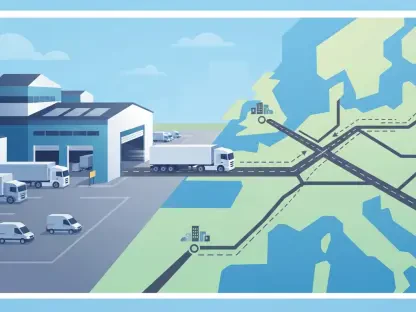
One of the most successful applications of IoT is found in the optimization of the supply chain. By using connected sensors throughout the logistics journey, retailers can track shipments with absolute precision from the factory floor to the store shelf. This visibility ensures that the supply chain is resilient to disruptions, as managers can identify bottlenecks in real-time and reroute shipments as needed. In high-volume sectors like grocery, this technology is vital for managing perishable goods and reducing waste.
Interactive Customer Experiences and Smart Stores
Retailers are increasingly deploying immersive solutions like smart mirrors and automated kiosks to improve the in-store atmosphere. In a clothing store, a smart mirror can recognize the item a customer is trying on and suggest complementary accessories or different sizes, all without the customer needing to leave the fitting room. These frictionless experiences extend to the checkout process, where “just-walk-out” technology uses computer vision and weight sensors to automatically bill customers as they exit, removing the final point of friction in the shopping journey.
Implementation Hurdles and Market Obstacles
Despite the clear advantages, the widespread adoption of Retail IoT is hindered by high initial infrastructure costs that often exclude smaller enterprises. The investment required for high-speed networking, thousands of RFID tags, and the cloud computing power to process the data is substantial. This creates a digital divide where only the largest global players can afford to fully modernize their operations, potentially leading to a market where smaller businesses struggle to compete on efficiency or price.
Additionally, the massive collection of consumer behavioral data introduces significant concerns regarding cybersecurity and data privacy. Retailers must navigate a complex web of regional regulations to ensure that they are not infringing on customer rights. A single data breach could destroy years of built-up customer trust, making robust encryption and transparent data policies as important as the sensors themselves. Balancing the desire for personalized service with the necessity of privacy remains the industry’s most delicate challenge.
Future Trajectory and Long-Term Impact
The market for Retail IoT is positioned for significant expansion, particularly as infrastructure modernizes across the Asia-Pacific region. From 2026 to 2030, the convergence of 5G connectivity and more sophisticated AI agents will likely lead to the creation of entirely autonomous store ecosystems. These locations will operate with minimal human oversight, utilizing robots for restocking and AI for all customer service interactions. This shift will redefine the physical store’s role, moving it from a simple point of sale to a high-tech fulfillment hub.
Long-term, the impact of these technologies will be felt in how urban spaces are designed and how products are manufactured. As stores become more efficient, the need for massive on-site storage decreases, allowing for smaller, more specialized retail footprints in high-density areas. This evolution suggests that the future of shopping will be defined by a blend of physical tactile experience and digital efficiency, where the technology behind the scenes is so well-integrated that it becomes invisible to the average shopper.
Conclusion and Final Assessment
The Retail Internet of Things functioned as the definitive bridge between the tactile world of physical commerce and the hyper-efficient digital economy. The review of these systems demonstrated that while the initial costs and privacy hurdles were significant, the benefits of inventory precision and enhanced engagement outweighed the risks for those who invested early. These technologies successfully transformed passive storefronts into active data environments, allowing retailers to survive a period of intense competition from purely digital platforms.
The primary takeaway from this technological shift was that data became the most valuable commodity in the retail space. Future considerations must prioritize the democratization of these tools, ensuring that smaller retailers can access the benefits of IoT without being crushed by infrastructure expenses. Moreover, the industry was forced to develop more robust ethical frameworks to handle the constant flow of consumer information. Ultimately, the successful integration of IoT sensors and AI analytics did more than just improve sales; it established a new global standard for operational excellence in the commerce sector.