
The transition of storefront windows from static mannequins to reactive, high-definition portals has fundamentally altered the psychological contract between the merchant and the modern urban consumer. Retailers no longer view digital screens as mere electronic posters; instead, they treat them as the nervous system of the physical store environment. In the current 2026 landscape, these systems serve as a critical bridge between the infinite choice of online shopping and the tactile immediacy of a brick-and-mortar visit. This integration provides a seamless transition for shoppers who expect the same level of personalization in the aisle that they receive on their mobile devices.
Modern retail communication thrives on the ability to pivot messaging in milliseconds, reflecting a departure from the rigid advertising cycles of the past. As foot traffic patterns shift throughout the day, digital signage adjusts the visual tone and product focus without requiring human intervention. This capability is not merely about aesthetic appeal but about maintaining relevance in a high-velocity market where consumer attention is the most valuable currency. By leveraging high-resolution displays and real-time data, stores have managed to recapture the curiosity of a demographic that was previously drifting toward purely digital interactions.
Evolution of Retail Communication Networks
The journey of retail communication has moved rapidly from localized, disconnected screens toward fully integrated, cloud-managed networks. In the early stages of this technological shift, most systems were hindered by manual updates and proprietary hardware that resisted interoperability. However, the maturation of web-based protocols and the standardization of media formats have transformed these networks into agile platforms. Today, a single marketing team can synchronize a global campaign across thousands of screens within minutes, ensuring a unified brand voice that was previously impossible to maintain.
Beyond simple message delivery, the evolution has introduced a layer of environmental awareness that defines the 2026 retail experience. Communication networks now interact with the physical surroundings, responding to changes in ambient light, store temperature, and even local weather conditions. This evolution signifies a move toward “ambient intelligence,” where the signage system is not just a broadcaster but a responsive participant in the retail space. As these networks continue to expand from 2026 to 2028, the focus is shifting from simply displaying content to understanding the context of the viewer.
The Architectural Framework: Hardware and Software Synergy
Commercial-Grade Display and Media Player Performance
The reliability of a signage ecosystem depends heavily on the distinction between consumer-grade televisions and commercial-grade displays. In a retail environment, screens must withstand high-duty cycles, often running 24 hours a day without the risk of image retention or thermal failure. Current 2026 hardware standards prioritize high-nit brightness levels to ensure visibility even in stores with floor-to-ceiling glass fronts where sunlight would typically wash out a standard screen. These panels are engineered with advanced cooling systems and durable components that provide a lifespan far exceeding residential alternatives.
Supporting these displays are media players that have undergone a radical downsizing while simultaneously gaining immense processing power. The most efficient implementations now utilize System-on-Chip (SoC) technology, which embeds the processing unit directly into the display panel itself. This hardware synergy reduces the number of failure points by eliminating external cables and separate power supplies. These integrated players are capable of rendering complex 4K content and real-time data visualizations with minimal energy consumption, making them the preferred choice for large-scale enterprise deployments.
Content Management Systems and Data Connectivity
While the hardware provides the physical presence, the Content Management System (CMS) serves as the operational heart of the digital signage network. A modern CMS in 2026 is no longer just a library for video files; it is a sophisticated orchestration tool that manages complex schedules and triggers. This software allows for granular control, enabling retailers to target specific screens with hyper-local content based on inventory levels or local store performance. The interface is designed for marketing professionals rather than IT specialists, prioritizing intuitive drag-and-drop workflows and automated asset optimization.
Data connectivity acts as the lifeblood of these systems, linking the CMS to the broader retail tech stack. Through robust API integrations, digital signage can pull live information from Point of Sale (POS) systems and inventory management databases. This connectivity ensures that a product featured on a high-impact window display is actually in stock, preventing the customer frustration that occurs when a promotion outpaces availability. Furthermore, these systems utilize secure, encrypted connections to ensure that the content and data remain protected from external interference, maintaining the integrity of the store’s digital presence.
Current Trends and Technological Shifts
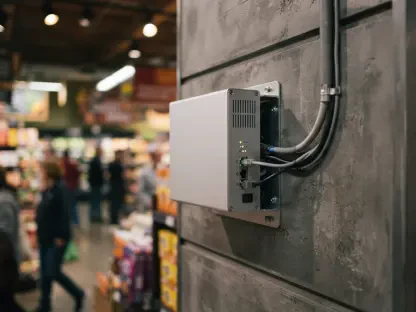
The most significant shift in the current year involves the deep integration of computer vision and anonymized audience analytics. Retailers are increasingly deploying small, non-invasive sensors that provide real-time feedback on dwell times and engagement levels without compromising individual privacy. This data allows the signage system to adjust content based on the demographics of the people standing in front of it. For instance, a screen might switch from high-energy lifestyle imagery to detailed technical specifications if it detects that a shopper has been lingering near a specific product for more than thirty seconds.
Moreover, there is a growing trend toward “zero-touch” content generation through the use of generative design tools. These tools allow retailers to create variations of a campaign automatically, optimizing the color palette or layout based on the specific display format it will be shown on. This trend addresses one of the primary hurdles in digital signage: the “content gap,” where hardware capabilities outpace the creative production speed. By automating the resizing and formatting of assets, brands can maintain a high-quality visual presence across diverse screen sizes without exhausting their creative resources.
Real-World Applications and the Shopper Journey
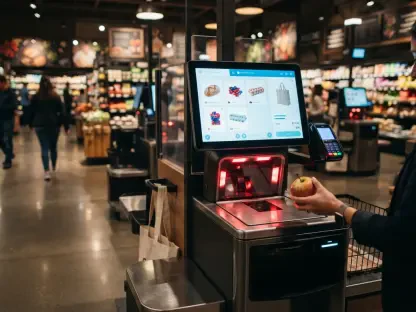
In the high-stakes environment of flagship retail, the shopper journey begins long before the customer reaches the register. Window displays act as the initial hook, using motion and scale to disrupt the visual monotony of the street. Once inside, digital wayfinding kiosks serve as essential navigation aids, particularly in large-format department stores or sprawling shopping centers. These interactive displays reduce the friction of the shopping experience by providing personalized routes or highlighting the location of specific brands, effectively acting as a digital concierge.
At the point of decision—the product shelf—shelf-edge displays have replaced traditional paper price tags with dynamic, thin-film screens. These displays do more than show a price; they can display real-time reviews, cross-sell related items, or provide QR codes that link to expanded product histories. This application bridges the information gap, giving shoppers the confidence to make a purchase without needing to search for a store associate. By providing the right information at the exact moment of consideration, retailers have seen a measurable increase in conversion rates and average basket size.
Implementation Challenges and Operational Hurdles
Despite the clear benefits, the path to a successful digital signage rollout is often obstructed by the challenge of technical debt and aging infrastructure. Many retailers struggle with fragmented systems where different departments own different pieces of the hardware, leading to a lack of cohesion. Consolidating these legacy systems into a unified platform requires a significant initial investment and a cultural shift within the organization. There is also the persistent issue of “content fatigue,” where screens that are not updated frequently enough become ignored by repeat customers, negating the investment.
Operational sustainability has also emerged as a primary concern for retail executives in 2026. The energy consumption of hundreds of high-brightness screens can significantly impact a company’s carbon footprint and operational budget. This has led to a demand for hardware that supports intelligent dimming schedules and high-efficiency power states. Additionally, maintaining the physical health of a nationwide network requires a proactive service model; a “black screen” or a technical error message in a retail environment is more than a glitch—it is a visible failure of the brand’s technological competence.
Future Outlook: Automation and Interactivity
As the industry looks toward 2027 and beyond, the focus is shifting toward tactile and haptic interactivity that moves beyond the standard touchscreen. Emerging technologies are exploring the use of ultrasonic waves to provide tactile feedback in mid-air, allowing customers to “feel” textures or buttons on a digital display without physical contact. This level of interaction promises to make digital signage an even more immersive part of the sensory experience of shopping. Combined with augmented reality (AR) triggers, these systems will eventually allow shoppers to visualize products in their own homes by simply interacting with a store screen.
The automation of the entire content lifecycle is also expected to reach new heights. Future systems will likely possess the autonomy to run A/B tests on different promotional strategies in real-time, automatically favoring the content that yields the highest engagement or sales lift. This “self-optimizing” signage network will alleviate the burden on marketing teams, allowing them to focus on high-level strategy while the system handles the tactical execution. This shift will solidify digital signage not just as a display medium, but as an active, intelligent driver of retail revenue.
Final Assessment of Digital Signage Ecosystems
The retail digital signage landscape matured into a sophisticated pillar of modern commerce that successfully bridged the gap between physical and digital spaces. These systems proved that when hardware and software worked in a synchronized fashion, the result was a measurable increase in both operational efficiency and customer engagement. Retailers who treated their displays as data-driven assets rather than static decorations realized a significant competitive advantage. The ability to react to market changes in real-time through a centralized platform became a baseline requirement for survival in a crowded marketplace.
Investment in commercial-grade infrastructure and robust connectivity protocols validated the long-term viability of this technology. While the challenges of content management and energy efficiency persisted, the industry developed innovative solutions that prioritized sustainability and automated workflows. The integration of anonymized analytics provided a new level of insight into consumer behavior, allowing for a degree of personalization that was previously reserved for e-commerce. Ultimately, the digital signage ecosystem transitioned from an optional luxury to a fundamental necessity, redefining how brands communicated with their audiences within the physical world.