

The staggering reality of modern retail is that nearly two-thirds of all inventory records currently held by businesses are fundamentally incorrect. In an era where consumers demand instant gratification and absolute transparency, this systemic failure creates a volatile environment where "phantom
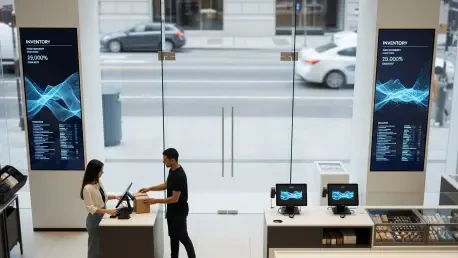
The modern marketplace has moved far beyond the binary choice between a physical storefront and a digital website, evolving instead into a fluid ecosystem where boundaries no longer exist. Today, the success of a retail enterprise is measured by its ability to maintain a single, coherent view of

The trajectory of contemporary beauty commerce is no longer defined by a slow crawl toward retail shelves but by an aggressive, multi-front expansion that demands operational perfection from day one. In the current market, the transition from a digital-first startup to a global powerhouse requires

The traditional retail calendar that once dictated the operations of Main Street merchants is rapidly disintegrating in favor of a granular, data-driven approach that prizes local precision over national averages. Independent operators now find themselves in a landscape where the ability to
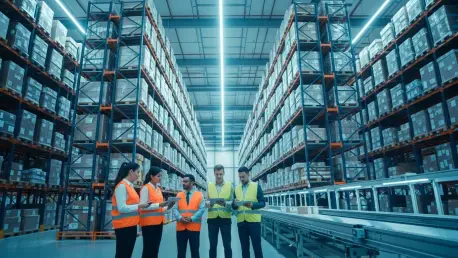
The high-stakes game of global toy distribution has entered a transformative phase where the speed of a shipping container often dictates the success of a holiday season. As consumer expectations for instantaneous delivery collide with the unpredictability of international trade routes, the
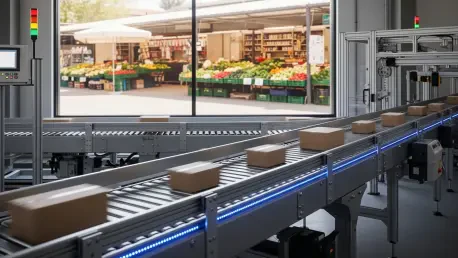
The sheer scale of India's retail sector is best visualized as a massive, intricate tapestry where ninety million traditional shopkeepers are now forced to share space with highly optimized digital conglomerates. This trillion-dollar economy operates on a dual-track system that presents a unique