
Traditional brick-and-mortar stores are currently undergoing a fundamental transformation as artificial intelligence systems bridge the gap between digital convenience and physical presence. This shift is not merely a survival tactic but a proactive reimagining of the shopping experience that utilizes data to anticipate needs before a customer even enters the premises. In the current market of 2026, the distinction between online and offline shopping has blurred to the point of irrelevance, as smart sensors and real-time analytics create a unified commerce environment. Retailers that once relied on foot traffic alone are now utilizing sophisticated geospatial data and predictive modeling to ensure their inventory matches the specific demographic shifts of their neighborhoods. The pressure to innovate has never been higher, as consumers demand the speed of an algorithm with the tactile satisfaction of a physical product. This tension is driving a wave of investment.
Interactive Store Environments: Enhancing the Journey
Computer Vision: Analysis of Shopper Behavior
Retailers are increasingly deploying advanced computer vision systems that do more than just monitor for security; they analyze customer behavior to optimize store layouts in real time. These systems track the path of a shopper, noting which items are picked up, scrutinized, and eventually returned to the shelf versus those that make it into the basket. This data provides a level of insight previously reserved for e-commerce platforms, allowing physical stores to A/B test shelf placements and promotional displays with scientific precision. Furthermore, sentiment analysis technology can now detect signs of frustration or confusion on a customer’s face, alerting staff to intervene before a potential sale is lost. By integrating these visual feeds with loyalty program data, stores can offer hyper-personalized discounts through digital signage as a customer approaches a specific aisle. This creates a highly responsive environment where the physical space adapts to the individual.
Seamless Payments: The End of Checkout Lines
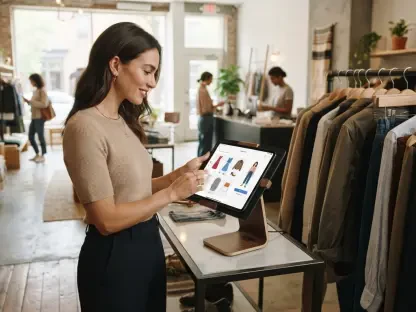
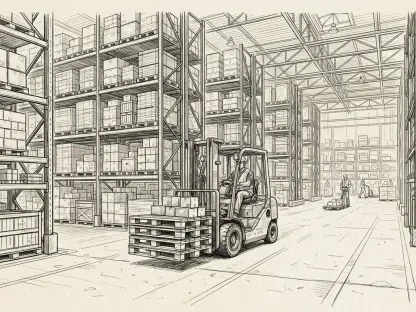
Beyond just seeing the customer, the most successful retailers are using AI to remove the barriers that historically made in-person shopping a chore. Frictionless checkout systems, which utilize a combination of weighted sensors and overhead cameras, allow shoppers to simply select their items and walk out without ever standing in a traditional line. This technology has matured significantly, moving from niche convenience stores to large-scale department stores where complex item tracking is a necessity. In the backroom, autonomous robots are working alongside these consumer-facing systems to manage restocking and inventory audits with near-perfect accuracy. By automating the most tedious aspects of retail operations, companies can redirect their financial resources toward enhancing the sensory aspects of the store that digital competitors cannot replicate. This synergy between invisible automation and visible brand experience is the foundation of the modern high-street revival.
Operational Excellence: Maximizing Efficiency
Predictive Logistics: Solving the Inventory Crisis
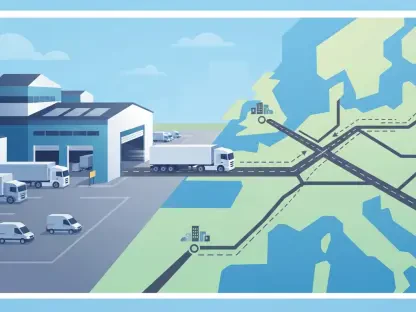
The logistical backbone of retail has been entirely rewritten by predictive algorithms that connect local store inventory directly to global supply chain movements. In the current environment, AI systems analyze weather patterns, local events, and social media trends to adjust stock levels before a surge in demand actually occurs. This prevents the traditional problem of overstocking, which leads to wasteful markdowns, or understocking, which results in lost revenue and customer dissatisfaction. Many flagship locations have integrated micro-fulfillment centers within their existing footprints, allowing them to serve as hyper-local hubs for both walk-in customers and rapid home delivery. This dual-purpose model ensures that the physical store remains a vital asset in the distribution network rather than just a passive showroom. By utilizing machine learning to refine these delivery routes, retailers have managed to achieve a level of operational efficiency that was considered impossible.
Strategic Workforce: The Human-AI Collaboration
The successful integration of these technologies required a shift in how the workforce was deployed, moving employees away from manual tasks and toward high-value interaction. Store associates were equipped with augmented reality headsets and real-time data tablets that provided instant access to a customer’s purchase history and personal style preferences. This allowed for a transition from a transactional service model to a consultative one, where humans focused on building long-term brand loyalty while the AI handled the technical logistics. Organizations that prioritized this human-AI collaboration saw a marked increase in customer satisfaction scores and employee retention rates. Moving forward, the priority must remain on maintaining data transparency and consumer trust to ensure these technological advancements are welcomed rather than feared. By focusing on the unique sensory advantages of physical presence, retailers established a sustainable path forward for the modern era.