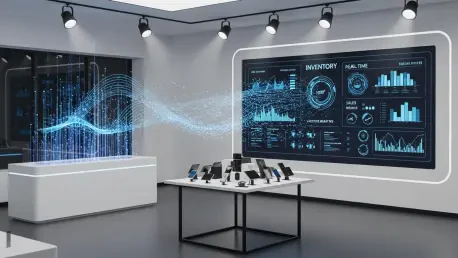

The rapid convergence of digital interfaces and physical storefronts has completely redefined the standard consumer journey by 2026, leaving traditional online-only models in the dust. While the convenience of e-commerce once suggested the eventual demise of brick-and-mortar locations, the reality of the current market tells a much more nuanced story of coexistence and mutual acceleration. Recent statistics indicate that over 83% of all retail spending still occurs within physical storefronts, presenting a massive growth opportunity for digitally native brands that have hit a ceiling in the saturated online advertising space. These companies are no longer viewing physical spaces as a secondary concern or an expensive luxury; instead, they are integrating them as essential hubs for customer acquisition and brand loyalty. By establishing a tangible presence, a brand moves from being a flickering image on a smartphone screen to a lived experience that resonates with the consumer on a deeper psychological level. This strategic shift allows businesses to tap into an enormous, untapped reservoir of shoppers who prioritize sensory interaction and immediate availability over the delayed gratification of digital deliveries.
Strategic Market Entry and Brand Experience
Low-Risk Testing and Organic Discovery
Pop-up shops have emerged as the primary laboratory for digital brands looking to transition into the physical world with minimal financial exposure. These temporary installations allow merchants to validate demand in specific urban neighborhoods and test different pricing strategies without the heavy burden of long-term, multi-year commercial leases. It is a high-reward method for clearing excess inventory while gathering real-world data on how different demographics interact with the product line in real time. For instance, a brand that primarily sells to young professionals online might discover through a two-week pop-up in a suburban district that their products also appeal heavily to older consumers when presented in an accessible, physical environment. This phase of testing serves as a crucial proof of concept that informs where a brand should eventually plant permanent roots, ensuring that every square foot of a future flagship store is optimized for the local market’s specific needs and buying behaviors.
Beyond the immediate sales generated during a temporary event, a physical footprint acts as a three-dimensional billboard that drives organic brand discovery in ways digital banners cannot achieve. In an era where the costs of digital customer acquisition are skyrocketing due to privacy changes and algorithm shifts, a well-placed storefront captures the attention of high-intent foot traffic and local shoppers who might never have found the brand through a search engine. This physical presence allows a company to fully express its unique identity through curated lighting, tactile textures, and intentional signage that a standard website template simply cannot replicate. When a passerby wanders into a beautifully designed store, they are not just looking at products; they are entering a controlled environment that communicates the brand’s values and aesthetics through all five senses. This immersive discovery process creates a lasting memory, often leading to a much higher lifetime value for the customer compared to someone who clicked on a fleeting social media advertisement.
Bridging the Sensory Gap and Building Trust
One of the most powerful advantages of in-person selling is the ability to provide a tactile experience that resolves the inherent uncertainty of online shopping. Many consumers still prioritize the ability to see, touch, and feel a product before committing their hard-earned money, which remains a major factor in establishing long-term brand trust. Physical locations allow for live demonstrations and “try-before-you-buy” opportunities that bridge the knowledge gap, helping customers understand complex features or the specific quality of materials. For example, a company selling high-performance outdoor gear can use a physical store to let customers test the weight and durability of a jacket, effectively removing the hesitation that leads to abandoned carts in a digital environment. By providing this transparency, brands eliminate the guesswork and build a foundation of credibility that ensures the customer feels confident in their purchase decision from the moment they walk out the door.
Furthermore, physical retail directly satisfies the modern consumer’s growing desire for immediate gratification and reliability. Nearly half of all shoppers still prefer brick-and-mortar stores because they can take their items home immediately, bypassing the frustrations of potential shipping delays, porch piracy, or lost packages. This is particularly effective for high-end or bulky items where the ability to inspect the craftsmanship in person removes the friction that often prevents high-value online transactions. When a customer can walk into a store, verify that a piece of furniture fits their aesthetic and quality standards, and arrange for immediate delivery or take it home themselves, the psychological barriers to purchase evaporate. This instant fulfillment loop not only boosts sales but also significantly reduces the rate of returns, as the customer has already confirmed the product meets their expectations before the transaction is even finalized.
Driving Performance and Operational Efficiency
Refining Strategy through Direct Feedback and Upselling
While digital brands are experts at tracking clicks, hover times, and conversion rates, physical retail offers a layer of qualitative data that software alone can never fully capture. Face-to-face interactions allow store owners and staff to hear direct questions, spontaneous praises, and specific objections from their customers as they browse. This creates a valuable, high-speed feedback loop where in-store observations are used to improve online product descriptions, FAQ sections, and even future product designs. For instance, if several customers in a physical store mention that a specific fabric feels thinner than they expected from the photos, the brand can immediately update its digital marketing videos to better showcase the texture and weight of that material. This level of responsiveness makes the entire brand feel more authentic and attuned to its audience, fostering a sense of community that digital-only platforms struggle to maintain over the long term.
In-person environments are also naturally conducive to increasing the average order value through strategic, human-led upselling and cross-selling. When a customer is physically present and engaged with a product, it is much easier for trained staff to suggest complementary items or add-ons that the shopper can see and touch right then and there. This “I want it now” mentality often overrides the hesitation people feel at a digital checkout screen when they see a rising total price, as the perceived value of the physical item in hand is much higher. A customer coming in for a specific pair of shoes is far more likely to add a matching belt or a specialized cleaning kit when they can see how well those items coordinate in person. These incremental sales, driven by human connection and visual merchandising, result in significantly higher profit margins per transaction and help offset the operational costs associated with maintaining a physical storefront in a competitive market.
Streamlining Logistics and Creating an Integrated Ecosystem
Moving into physical spaces provides substantial logistical benefits that can drastically lower a brand’s overhead in the long run. Selling directly to customers in a store eliminates the packaging, padding, and carrier fees associated with shipping individual online orders, which have become a major drain on the profitability of e-commerce businesses. Furthermore, physical locations serve as critical hubs for the “Buy Online, Pick Up In-Store” model and streamlined return processing. When a customer returns an item to a store instead of mailing it back, the brand saves on return shipping labels and can immediately inspect and restock the item for another sale. This system not only reduces the financial burden of logistical mishaps but also brings the customer back into the store, creating another opportunity for a new sale or an exchange that keeps the revenue within the company’s ecosystem.
The long-term resilience of a modern brand now depends on building a singular, integrated ecosystem rather than operating on isolated digital or physical islands. By meeting customers wherever they happen to be—whether they are scrolling through social media at home or walking down a local high street on a weekend—businesses satisfy the contemporary demand for both digital ease and physical connection. This balanced approach helps brands grow faster and build more meaningful, lasting relationships with their audience because it respects the customer’s preference for flexibility. A brand that successfully navigates this hybrid landscape creates a seamless loop where the online store drives traffic to the physical shop, and the physical shop provides the trust and service that keeps the customer returning to the website for years to come. Ultimately, this integration transforms the storefront from a mere point of sale into a strategic asset that fuels every other part of the business.
Actionable Paths for Hybrid Integration
The shift toward physical retail proved to be the defining strategy for digital brands that sought to escape the limitations of the virtual world. Leaders who successfully navigated this transition focused on creating a unified data stream that connected in-store interactions with online profiles, ensuring that the customer felt recognized regardless of how they chose to shop. It became clear that the most effective way to scale was to treat the storefront as an extension of the brand’s digital soul, using it to solve the trust issues and logistical hurdles that had previously capped their growth. The industry learned that physical presence was not about competing with the internet, but about completing it, providing the sensory confirmation and human connection that digital platforms lacked. Moving forward, the most successful enterprises leaned into this hybrid model, viewing their physical footprint as a vital engine for community building and operational efficiency.
To maintain this momentum, brands focused on localized experiences that made each store feel unique to its neighborhood while maintaining a consistent global identity. They discovered that investing in high-quality, knowledgeable staff was just as important as investing in advanced e-commerce algorithms, as the human element remained the most powerful tool for conversion and retention. By the time the market fully stabilized, the distinction between “online” and “offline” had been replaced by a holistic view of the consumer experience. Organizations that prioritized this integrated approach found themselves with lower customer acquisition costs and significantly higher brand loyalty. The next phase of retail involved refining these spaces into community hubs where the transaction was only one part of a much larger, more valuable relationship between the brand and its supporters. Success was achieved by those who realized that while technology changed the way people shopped, the fundamental human desire for tangible connection remained as strong as ever.