
The traditional maritime crossing between Germany and Denmark is undergoing a massive retail transformation as duty-free operations shift toward a more sophisticated and digitally integrated model. This partnership between the German travel retail giant and the ferry operator signifies a strategic pivot toward personalized shopping environments that cater to the specific needs of regional travelers. By implementing advanced inventory management systems and data-driven floor plans, the collaboration ensures that the product assortment remains dynamic and responsive to seasonal fluctuations. Passengers are no longer satisfied with generic souvenir selections; they now expect a curated blend of international luxury brands and high-quality local specialties. This shift requires a deep understanding of logistics and consumer psychology, particularly in the constrained environment of a ferry. The integration of modern technology allows for seamless transactions, reducing wait times during the crossing. As the maritime sector recovers and grows through 2026 and beyond, the focus has moved toward creating an experience rather than just a transaction. This evolution reflects a broader trend in travel retail where physical stores must provide value that digital platforms cannot replicate through a screen.
Strategic Alignment: Integration of Digital and Physical Assets
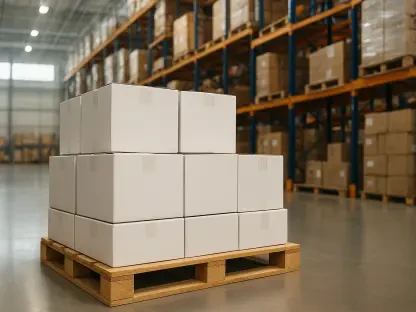
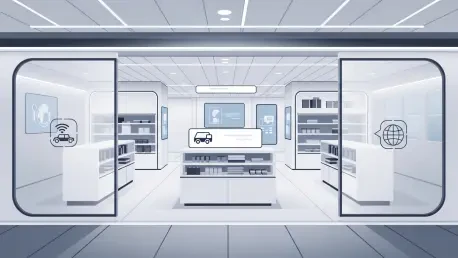
Operational excellence in this new retail landscape depends heavily on the synchronization of supply chains and front-end digital interfaces. Heinemann’s expertise in global distribution is being leveraged to streamline the replenishment process, ensuring that shelves are always stocked without overcrowding the limited storage space available on board. New digital touchpoints, such as pre-order apps and interactive digital kiosks, allow passengers to browse the catalog before even boarding the vessel. This hybrid approach minimizes the friction of the shopping experience, catering to both the impulsive buyer and the planned shopper. Furthermore, the redesign of the physical shop layouts prioritizes flow and visibility, using lighting and architectural cues to guide customers through high-margin categories like perfumes and premium spirits. The logistical complexity of managing retail on a moving vessel necessitates a robust technological backbone that can handle offline processing and real-time data synchronization. These improvements are designed to maximize the revenue potential of every square meter of retail space while simultaneously enhancing the passenger journey. By focusing on operational efficiency and customer engagement, the partnership sets a new benchmark for maritime duty-free operations in Northern Europe.
The successful implementation of these retail strategies provided a clear roadmap for other maritime operators seeking to modernize their commercial offerings. Stakeholders recognized that the future of duty-free depended on the ability to blend entertainment with retail, transforming the ferry shop into a central destination of the voyage. Future considerations involved the expansion of sustainable product lines and the integration of augmented reality to allow for virtual product testing in tight quarters. Organizations within the transport sector took note of how personalized loyalty programs successfully drove repeat business across different ferry routes. Industry leaders focused on the necessity of real-time data analytics to anticipate consumer behavior changes during peak travel seasons. The move toward a more automated checkout process reduced labor costs while increasing throughput during high-traffic intervals. To maintain this momentum, companies began exploring partnerships with local artisans to offer exclusive items available on specific routes. This proactive stance on retail innovation ensured that the physical shopping environment remained competitive against the rising tide of e-commerce convenience. By prioritizing the traveler’s time, the industry established a sustainable model for long-term growth and customer loyalty.