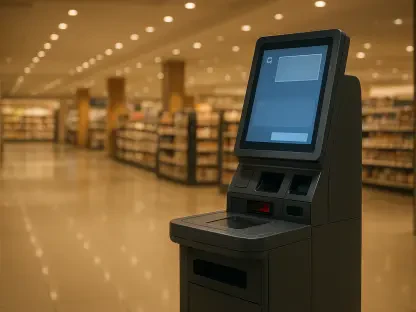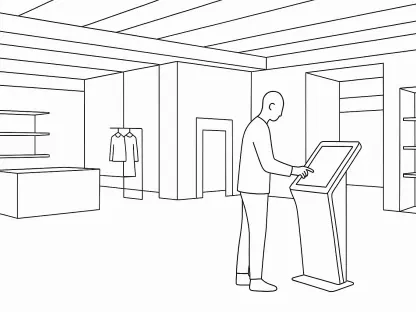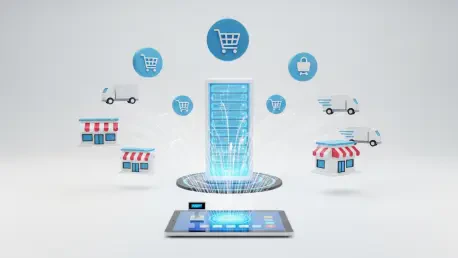

The modern retail environment requires a seamless integration of physical and digital storefronts to meet the evolving expectations of consumers who demand consistency across every purchasing channel. Modern shoppers might discover a product on social media, research its specifications on a mobile website, and eventually decide to pick it up at a local brick-and-mortar location. This fluidity demands a sophisticated point-of-sale architecture that operates far beyond the capabilities of traditional cash registers or isolated e-commerce backends. By integrating these disparate touchpoints into a single, cohesive ecosystem, businesses can eliminate the friction that often plagues the transition from online exploration to in-person acquisition. The global point-of-sale software market, which reached approximately $17.13 billion in 2025, continues its rapid expansion through 2033 as organizations prioritize unified commerce. This growth underscores a critical shift in how enterprise leaders view their technological investments, moving away from fragmented tools toward centralized platforms that provide a comprehensive view of the entire operation. Implementing a unified system has been shown to increase gross merchandise value by nearly nine percent, highlighting the direct financial benefits of technical synchronization.
1. Defining The Unified Commerce Infrastructure
An omnichannel point-of-sale system serves as the central nervous system for a modern retail operation, effectively bridging the gap between digital storefronts and physical locations. Unlike traditional legacy systems that were designed primarily for local, in-person transactions, an omnichannel solution merges inventory, customer profiles, and order histories into one shared database. This means that whether a purchase happens via a smartphone, a social media link, or a traditional checkout counter, the underlying data remains consistent and accessible to all team members in real-time. Store owners utilize this single source of truth to track business health without the need for manual reconciliation between separate databases. When a brand updates a product price in the digital catalog or processes a return at a suburban branch, the modification is instantly reflected across all sales channels. This level of connectivity prevents the logistical nightmares associated with overselling stock that exists only on paper, ensuring that the brand promise is maintained regardless of where the customer chooses to shop.
The practical difference between a standard setup and an omnichannel platform becomes evident during every customer interaction at the retail counter. A traditional system offers a narrow view, focusing only on the specific transaction at hand without context regarding the buyer’s broader relationship with the brand. In contrast, an integrated solution empowers the in-store sales team by providing immediate access to a customer’s previous online purchases, wish lists, and loyalty status. This visibility allows associates to make informed recommendations based on past behavior rather than guessing what a shopper might enjoy. Furthermore, it prevents embarrassing errors, such as suggesting a product that the customer recently returned or complaining about a lack of inventory when the item is actually available in the backroom or at a nearby sister store. By democratizing data across the entire organization, retailers can create a personalized shopping experience that feels tailored to the individual, fostering deeper brand loyalty and increasing the likelihood of repeat business.
2. Identifying High-Impact System Capabilities
To effectively navigate the complexities of modern commerce, a point-of-sale system must possess a suite of essential features that prioritize real-time accuracy and customer convenience. Foremost among these is live stock synchronization, which automatically adjusts inventory levels as items are sold, returned, or exchanged through any channel. This functionality is critical for maintaining customer trust; there is nothing more detrimental to a brand’s reputation than a buyer arriving for an in-store pickup only to find that the item was sold to someone else five minutes prior. Additionally, integrated buyer records consolidate data into a single profile, allowing the business to recognize a loyal customer regardless of the medium they use. This consolidation enables personalized service and targeted marketing efforts that are based on actual purchase history rather than generic demographic assumptions. When these features work in tandem, they transform the point of sale from a mere transaction processor into a powerful tool for customer relationship management.
Furthermore, a robust omnichannel solution must facilitate complex, multi-channel order processing and unified return workflows to truly serve the modern consumer. Capabilities such as buying online and picking up in-store have transitioned from a luxury to a baseline expectation, requiring the system to manage fulfillment across various physical locations seamlessly. A unified returns process allows customers to return an online purchase at a physical register without technical hurdles, significantly reducing the friction associated with digital shopping. Beyond the customer-facing benefits, detailed performance tracking provides management with a comprehensive view of sales trends, staff productivity, and product movement across the entire network. Access to these analytics allows for data-driven decisions regarding inventory allocation and staffing levels, ensuring that resources are deployed where they are most effective. By leveraging these integrated insights, retailers can identify which products are performing well in specific regions and adjust their strategies to maximize profitability across all touchpoints.
3. Executing The Transition To Connected Operations
The implementation of a unified commerce model begins with a thorough assessment of existing sales channels, physical locations, and delivery methodologies. Before introducing new software, it is vital to document every point of contact with the customer, including the main website, social media shops, and all retail storefronts. This assessment must also extend to storage facilities, such as warehouses or dedicated backrooms, to understand exactly how inventory flows through the organization. Mapping out the current lifecycle of an order helps identify bottlenecks or points of failure where data currently becomes siloed or delayed. By recognizing where processes feel slow or disconnected, leaders can prioritize the technical changes that will provide the most immediate relief to both staff and customers. This foundational step ensures that the new system is built upon a clear understanding of the business’s unique operational needs, rather than a generic template that may not account for specific logistical challenges.
Once the landscape is mapped, the focus shifts to the critical task of organizing and consolidating product, stock, and customer information into a single “source of truth.” This process involves cleaning up SKU numbers and product descriptions to ensure absolute consistency across all digital and physical catalogs. If a product is listed under different names on the website versus the store shelf, the system will fail to sync inventory correctly, leading to significant errors. Merging customer lists is equally important; a person who has spent thousands of dollars online should be immediately recognized as a high-value client the moment they walk into a physical store. After this data cleanup, businesses should prioritize setting up high-value cross-channel operations, such as in-store pickups and cross-channel returns. Launching these features in stages, perhaps starting with a single pilot location or a specific region, allows the team to monitor for errors and refine the user experience before a full-scale rollout. This incremental approach mitigates risk and ensures that any technical glitches are resolved in a controlled environment.
Effective staff preparation represents the final, and perhaps most critical, phase of the implementation journey, as the most advanced technology is useless if the team cannot operate it confidently. Training should move beyond theoretical lectures and focus on real-world scenarios that associates encounter daily. Staff members must practice handling a customer who wants to return a web order, looking up stock at another location for a frustrated shopper, and applying loyalty points that were earned through a mobile app. Utilizing modern staff management tools within the POS system ensures that each employee has the appropriate level of access, preventing unauthorized changes while empowering them to solve customer problems independently. When the team feels capable of navigating the new interface and understands the “why” behind the unified approach, they become advocates for the system rather than being intimidated by it. This human element is what ultimately bridges the gap between a successful technical installation and a truly integrated customer experience that drives long-term growth.
4. Selecting A Platform For Long-Term Success
Choosing the right platform requires a rigorous evaluation process that looks beyond surface-level features to consider long-term scalability and integration capabilities. The primary question to answer is whether the software links naturally with the existing e-commerce site, as a forced or poorly designed connection will lead to perpetual data synchronization issues. The system must be capable of distributing accurate stock data across every location in real-time, ensuring that the information seen by a warehouse manager matches what is visible to a retail associate. Evaluation should also focus on the depth of buyer profiles; a truly effective platform will maintain detailed purchase logs that follow the customer across every interaction. Additionally, the ability to sync discounts, gift cards, and rewards programs is non-negotiable in a market where consumers expect their benefits to be universal. If a gift card purchased online cannot be scanned at the physical register, the omnichannel experience is effectively broken.
In addition to core sales functions, the ideal platform must offer sophisticated management and analytical tools that support the business as it expands into new markets. Leaders should look for systems that allow for granular control over staff roles and permissions, which becomes increasingly important as the number of locations and employees grows. Analytics should be segmented by channel, location, and specific product categories, providing the insights necessary to understand which parts of the business are driving growth. Furthermore, the software must demonstrate compatibility with existing third-party tools, such as marketing automation platforms and accounting software, to ensure a smooth flow of data across the entire enterprise stack. Finally, the availability of reliable resources for initial setup and ongoing technical support cannot be overlooked. As the retail landscape continues to evolve, having a partner that offers continuous updates and expert guidance ensures that the business remains at the forefront of commerce technology for years to come.
Navigating The Path Toward Sustainable Growth
Strategic leaders who successfully migrated to unified platforms discovered that the initial investment yielded significant operational efficiencies that transformed their bottom line. They prioritized data integrity from the outset, ensuring that every SKU and customer profile was accurately mapped before the final system activation. This transition allowed retail teams to focus more on the customer experience and less on manual inventory counts or administrative troubleshooting. By observing how shoppers interacted with various touchpoints, these organizations were able to refine their fulfillment strategies, such as using physical stores as micro-warehouses for faster local delivery. The move toward a more connected retail model provided a clear advantage in an increasingly competitive market where speed and accuracy are paramount. Those who embraced the change early found themselves better positioned to adapt to shifting consumer behaviors, as their infrastructure was built for flexibility and real-time responsiveness rather than static, local transactions.
Moving forward, the focus for retail enterprises shifted toward continuous optimization of these unified systems to further personalize the shopper journey. Successful businesses monitored their cross-channel analytics to identify high-performing locations and optimize stock levels based on localized demand patterns. They also utilized the gathered customer data to create highly targeted marketing campaigns that bridged the gap between digital advertisements and in-store visits. The implementation process taught these organizations that technology is not a one-time fix but an ongoing evolution that requires regular updates and staff retraining. By maintaining a commitment to technical excellence and data transparency, these brands cultivated a level of trust with their audience that was previously difficult to achieve. The journey toward a fully integrated omnichannel presence proved to be a fundamental requirement for any retailer aiming to thrive in a landscape where the boundaries between the physical and digital worlds have permanently blurred.