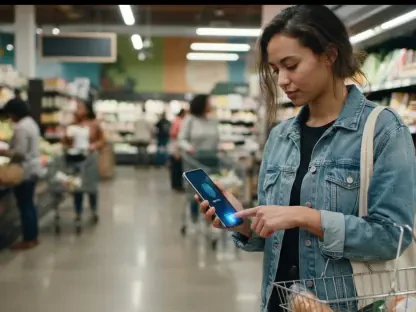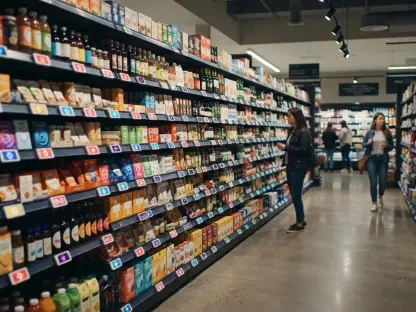

Modern shoppers navigate a landscape where high-definition digital ads drive their home research, yet they often encounter a stark silence the moment they step into a physical aisle. This disconnect represents a significant missed opportunity for brands to influence the final moment of purchase effectively.
The Current Landscape of Retail Media and the Physical Store Disconnect
Understanding the Dominance of In-Person Shopping
The physical location remains the primary theater of commerce because consumers value the immediate gratification of taking a product home. Despite the digital shift, the majority of retail transactions still occur within the four walls of a store.
Tactile interaction with products allows for a level of certainty that online descriptions simply cannot provide. This physical presence ensures that the brick-and-mortar environment remains the ultimate destination for the weekly shopping mission.
The Massive Disparity Between Consumer Spend and Media Allocation
A jarring imbalance exists between where people spend their money and where brands spend their advertising budgets. While over 80 percent of sales happen in-store, less than one percent of retail media dollars reach the shelf.
This financial misalignment suggests that marketers are over-investing in the early discovery phase while neglecting the actual point of conversion. Such a lopsided strategy leaves the most critical stage of the buyer journey virtually unaddressed.
Defining the In-Store Execution Gap in Modern Commerce
The execution gap is the failure to translate digital brand momentum into physical store engagement. It occurs when a shopper influenced by a mobile ad finds no visual reinforcement once they reach the product category.
Closing this gap requires a structural shift in how retailers view their physical space. The store must evolve from a mere distribution point into a dynamic media channel that speaks to the shopper in real time.
Market Dynamics and the Financial Potential of the Store Aisle
Emerging Trends in Real-Time Shopper Engagement
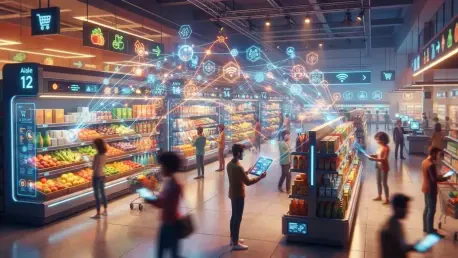
Retailers are now deploying smart screens that adjust content based on inventory levels or time of day. This flexibility allows for a more relevant dialogue between the brand and the consumer during the peak of interest.
Moreover, the integration of localized data ensures that promotions reflect the specific needs of a community. This trend toward hyper-relevance is turning generic aisles into curated experiences for every visitor.
Shifts in Consumer Behavior from Digital Intent to Physical Purchase
Digital channels are excellent for building intent, but the actual decision-making process often shifts when a person sees the physical shelf. Shoppers often remain open to discovery and brand switching until the very last second.
Consequently, the physical aisle serves as the final filter where brand loyalty is either solidified or lost. Understanding this behavioral pivot is essential for any retailer looking to maximize their media impact.
Performance Indicators and Growth Projections for In-Store Media
Data from 2026 to 2028 indicates a steady rise in the effectiveness of in-store digital activations. These metrics show that shelf-level media contributes to a significant lift in both brand awareness and immediate sales volume.
Growth projections suggest that the in-store segment will become the fastest-growing part of the retail media ecosystem. This expansion is driven by the realization that proximity to the product is the strongest predictor of purchase.
The Tangible ROI of Digital Signage and Shelf-Level Activation
Digital signage near specific products has been shown to increase the likelihood of a purchase by over 8 percent. This immediate return on investment proves that visual cues at the shelf are more than just decorative elements.
Furthermore, these activations help in growing the entire category rather than just shifting market share between brands. This rising tide benefits the retailer by increasing the total basket size at the checkout counter.
Identifying and Overcoming the Barriers to In-Store Execution
Moving Beyond the Silos of Shopper and Trade Marketing
Traditional organizational structures often separate digital media teams from the staff managing physical store displays. This fragmentation leads to inconsistent messaging and a lack of coordination during major product launches.
Integrating these departments into a single retail media unit ensures that campaigns are cohesive across all touchpoints. A unified team can track the shopper from the initial digital impression all the way to the physical register.
Solving the Creative Challenge: Why Resizing Digital Assets Fails
Shoppers in a store are on a specific mission and do not have the patience for long-form video content designed for social media. Simply resizing a digital ad for a shelf-edge screen often results in a cluttered and ineffective message.
Creative content for the store must be bold, concise, and focused on the immediate benefits of the product. Successful retailers design these assets specifically for the physical environment, taking viewing distance and lighting into account.
Integrating Technology to Streamline Campaign Activation
The complexity of managing hardware across thousands of locations has historically hindered the growth of in-store media. However, new cloud-based platforms now allow for the instantaneous deployment of content across entire retail networks.
These technological advancements reduce the manual labor required to update physical signage, making the process as agile as digital advertising. Automation is the key to scaling these networks without ballooning operational costs.
Bridging the Measurement Gap with Robust Data Analytics
Proving the efficacy of in-store ads requires more than just counting foot traffic near a screen. Advanced analytics now use control stores to isolate the impact of media from other variables like seasonal trends.
This rigorous approach to measurement gives brands the confidence to shift larger portions of their budget toward the physical store. High-quality data turns the aisle from a black box into a transparent and accountable media channel.
Navigating Standards and Compliance in Physical Media Networks
Establishing Industry Standards for In-Store Impression Tracking
The lack of standardized metrics has long been a hurdle for advertisers comparing in-store performance to digital clicks. Industry leaders are now working to define exactly what constitutes a valid impression in a physical environment.
By establishing these benchmarks, the industry creates a common language that allows for better budget planning and cross-channel comparison. Standardized tracking ensures that every dollar spent is backed by verifiable consumer engagement.
Ensuring Data Privacy and Security in Physical Environments
As retailers use more sensors to track shopper movements, protecting consumer privacy has become a top priority. Modern systems focus on aggregated, anonymous data rather than identifying specific individuals.
Maintaining this high standard of privacy is crucial for building and keeping consumer trust. Transparent data policies ensure that the retail environment remains a safe space for shoppers to explore and buy.
The Role of Retailer Partnerships in Regulatory Compliance
Retailers and brands must work closely to stay ahead of evolving regulations regarding digital displays and data usage. These partnerships allow for a proactive approach to compliance that prevents costly legal setbacks.
Mutual cooperation also ensures that the media network enhances the shopping experience rather than detracting from it. A compliant network is a sustainable network that can grow alongside changing legal landscapes.
The Future of the Retail Funnel: From Living Room to Shelf
Emerging Technologies and the Rise of AI-Driven In-Store Personalization
Artificial intelligence is beginning to tailor in-store displays based on real-time factors like weather and local inventory. These systems can predict which products will be in high demand and adjust the media mix accordingly.
This level of personalization makes the store feel more responsive to the shopper’s immediate context. AI-driven insights turn static retail spaces into intelligent environments that anticipate consumer needs before they are even voiced.
The Unified Full-Funnel Approach: CTV, Mobile, and In-Store Synergy
The most effective campaigns now view the journey as a continuous loop starting in the living room and ending at the shelf. Connected TV ads build the initial brand story, while mobile and in-store media provide the necessary nudges toward purchase.
This synergy ensures that the brand remains top-of-mind throughout the entire day of the consumer. A full-funnel approach eliminates the friction that often exists between seeing an ad and making a physical transaction.
Predicting Market Disruptors in the Next Era of Retail Media
New players are entering the space by offering specialized hardware that integrates directly with existing shelving units. These disruptors are making it easier for smaller retailers to compete with giant chains by lowering the barrier to entry.
Additionally, the rise of interactive displays that allow for instant mobile checkout is changing how we define a sale. These innovations are blurring the lines between physical browsing and digital transaction completion.
Potential Growth Areas for Sustainable Retailer Media Networks
Sustainability is becoming a core component of retail media, with a focus on energy-efficient screens and recyclable hardware. Brands are increasingly looking to partner with retailers that demonstrate a commitment to reducing their carbon footprint.
Investing in green technology not only helps the planet but also appeals to the values of the modern consumer. Long-term growth in the sector will likely be tied to how well these networks align with broader environmental goals.
Closing the Gap: Strategic Recommendations for Brands and Retailers
Summary of the In-Store Media Opportunity
The analysis demonstrated that the physical store was a largely untapped goldmine for retail media growth. Stakeholders who recognized the value of the shelf-level interaction secured a significant advantage over competitors who remained focused solely on digital screens.
It became clear that the proximity of the advertisement to the actual product was the most influential factor in driving conversion. This realization prompted a massive shift in how marketing budgets were allocated across the retail landscape.
Key Takeaways for Implementing a Unified Media Strategy
Retailers found that success required the breaking down of internal barriers and the adoption of integrated management systems. They discovered that treating the store as a primary media channel rather than an afterthought led to higher margins.
Brands that invested in custom creative assets for the in-store environment saw much higher engagement rates than those that reused digital files. The study confirmed that a specialized approach to content was necessary to capture the attention of busy shoppers.
Final Outlook on the Transformation of the Physical Retail Experience
The transformation of the physical store into a sophisticated media network provided a blueprint for the next decade of commerce. Future strategies will likely focus on even deeper integration between consumer lifestyle data and real-time physical availability.
As the lines between digital and physical continue to disappear, the focus shifted toward creating a seamless and helpful environment for the buyer. The industry moved toward a model where every shelf became a point of connection, education, and inspiration.