
While digital interfaces provide the initial handshake between a brand and its audience, the actual weight of a retailer’s reputation is forged during the high-stakes moment of physical fulfillment. The North American retail landscape has undergone a profound transformation as the distinction between digital browsing and physical purchasing continues to dissolve. Consumers no longer view online and offline channels as separate entities; instead, they expect a unified journey that respects their time and preferences.
This shift has forced a total reimagining of how storefronts operate, turning traditional aisles into complex logistics hubs. As brands navigate this transition, the focus has moved beyond simple availability toward the precision of the hand-off. The infrastructure of modern commerce is now built on the promise of immediacy, where the digital click must be met with a physical reality that matches the speed of the internet.
The Evolution of Fulfillment in the North American Retail Landscape
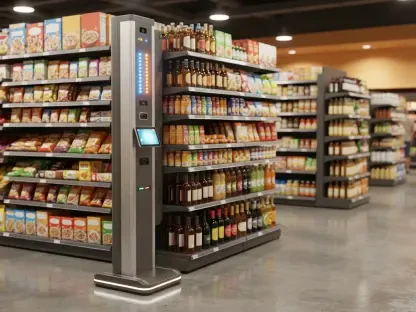
Major entities like Kohl’s and Academy Sports and Outdoors have leaned heavily into a phygital strategy, recognizing that a store is no longer just a showroom but a critical node in a delivery network. This integration relies on a sophisticated mix of curbside pickup, Buy Online, Pick Up In-Store (BOPIS), and granular inventory management systems. For these retailers, technological infrastructure is not an optional upgrade but the fundamental baseline required to maintain a seat at the table in a hyper-competitive market.
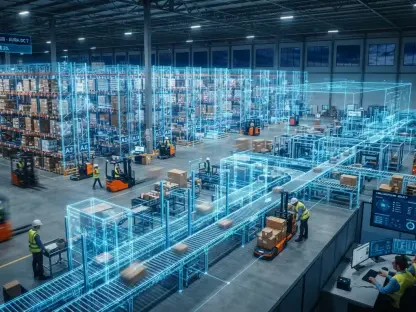
Moreover, the strategic deployment of these assets allows brick-and-mortar locations to function as micro-fulfillment centers, effectively reducing shipping costs and improving local availability. This evolution is driven by the need to meet the customer wherever they are, whether that is on a mobile device at home or in a car at the curb. The physical store has become the ultimate weapon in the battle against long shipping times, providing a level of instant gratification that pure e-commerce players struggle to replicate.
Decoding the Drivers of Modern Shopper Loyalty
Behavioral Shifts and the Demand for Frictionless Transitions
Modern shoppers prioritize a journey that flows effortlessly from a smartphone screen to the store parking lot. Mobile applications now dictate consumer expectations, as users anticipate that their digital interactions will translate directly into immediate physical results. When a customer uses an app to track an order, they are looking for more than just a status update; they are seeking a guarantee that their time will not be wasted.
Advanced inventory tracking has become a primary tool for building trust, as shoppers are far more likely to commit to a purchase when they have total confidence that the item is truly available. However, technology alone cannot bridge the gap if the physical transition is clunky. The demand for a frictionless experience means that every digital touchpoint must be synchronized with the actual movements of store personnel to ensure a cohesive brand experience.
Market Benchmarks and the Saturation of Omnichannel Capabilities
Recent data reveals that omnichannel fulfillment has moved from a competitive advantage to an industry standard, with 85.9 percent of the top 1,000 retail chains now offering these services. This high adoption rate signifies that simply having the capability is no longer enough to win over a crowd. Instead, performance indicators suggest that market share is increasingly captured by those who can deliver on their promises with the highest degree of reliability.
The correlation between service availability and market dominance is clear, but the saturation of these features has raised the bar for everyone. Retailers are now judged not just on whether they offer curbside pickup, but on how well they execute it compared to their nearest neighbor. As integrated fulfillment models become the norm, the focus of growth projections has shifted toward the operational excellence that occurs behind the scenes.
Bridging the Gap: Digital Promises and Physical Realities
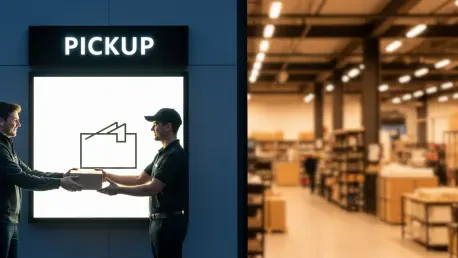
Despite the brilliance of modern apps, the Last Yard problem remains the most significant hurdle for retail managers across the country. Customer friction peaks when an app indicates an order is ready, yet the individual arrives to find a lack of staff or an unorganized pickup area. This disconnect creates a psychological rift that can damage a brand’s reputation more quickly than a slow website.
Reducing wait times and clarifying the hand-off process are now the primary battlegrounds for retaining consumer favor. Effective communication between the digital backend and the warehouse floor is essential to prevent logistical breakdowns. When the physical reality fails to live up to the digital promise, the resulting confusion can lead to a permanent loss of customer trust and future revenue.
Compliance, Security, and Operational Standards in Unified Commerce
As unified commerce expands, retailers must navigate an increasingly complex web of data privacy regulations to protect personalized shopping data. Ensuring that mobile applications are secure against transaction fraud is just as important as maintaining a safe physical environment for both workers and customers. Data integrity has become a cornerstone of the omnichannel experience, as any breach can instantly dissolve the loyalty built over years of service.
Beyond the digital realm, operational standards also involve strict adherence to labor laws and safety protocols for employees tasked with rapid fulfillment. Staff members are often required to move quickly between the sales floor and the loading zone, necessitating rigorous training and clear safety guidelines. Maintaining high standards for inventory transparency requires constant communication across all channels to ensure that the data seen by the customer matches the reality on the shelf.
The Next Horizon: Human-Centric Innovation in a Digital World
The future of retail innovation lies in human-centric solutions that leverage technology to enhance personal interactions. Predictive analytics and machine learning are being deployed to help staff manage pickup windows more effectively, ensuring that labor is allocated exactly when demand spikes. Rather than replacing the human element, these tools empower employees to provide hyper-personalized service during the hand-off.
Anticipating consumer needs through data allows retailers to prepare their human teams to handle surges with grace and efficiency. Local retail operations will continue to feel the pressure of global supply chain fluctuations, making local inventory accuracy even more vital. By leveraging brick-and-mortar locations as micro-fulfillment centers, brands can stay agile and responsive to the needs of their specific community.
Final Verdict: Execution as the New Currency of Retail Success
The analysis concluded that the key to omnichannel dominance was not found in the code of an application, but in the hands of the individuals managing the final hand-off. Industry leaders realized that while software initiated the relationship, human execution finalized the bond of loyalty. Retailers that prioritized staff engagement and operational agility successfully navigated the complexities of the modern market.
This shift toward operational excellence ensured that human execution remained the ultimate differentiator in an increasingly automated world. To maintain a competitive edge, organizations focused on comprehensive staff training and clear communication protocols to bridge the gap between their software and their storefronts. Ultimately, the data proved that the human element remained the most valuable currency in a digitized economy.