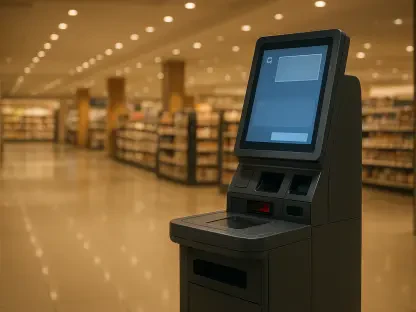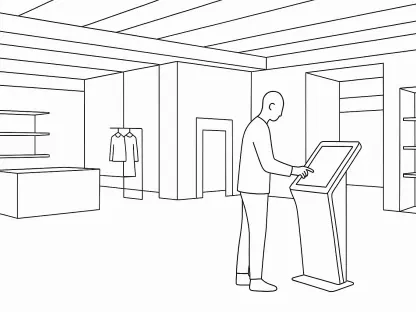

Retailers who continue to view their checkout hardware as mere cash registers are essentially navigating a complex global economy while wearing a technological blindfold. For years, Point-of-Sale (POS) systems were viewed as simple digital cash registers—tools primarily used for processing credit cards and printing paper receipts. Today, this narrow perspective is an operational liability, as modern platforms offer capabilities that far exceed basic transaction handling. Retailers who still see their POS as just hardware are operating with a significant blind spot, missing out on a system that has evolved into a central engine for commercial and operational strategy. As commerce becomes increasingly fragmented across physical and digital storefronts, the need for a unified nerve center has moved from a luxury to a baseline requirement. Modern systems act as the primary interface between a brand and its customers, recording not just the exchange of funds but the entire narrative of a consumer’s journey.
Data Intelligence: Transforming Transactions Into Insights
Capturing Multidimensional Activity
Today’s POS platforms redefine every sale as a “data event” rather than a mere exchange of currency. When a customer makes a purchase, the system captures a multidimensional snapshot involving product specifics, timing, geographic location, and the identity of the sales associate. This transition transforms the checkout process into a vital source of business intelligence, allowing retailers to move beyond basic record-keeping and toward a deeper understanding of their daily market activity. The granularity of this information provides a level of clarity that was previously reserved for massive e-commerce giants. By tracking the exact path of an item from the shelf to the bag, businesses can identify micro-trends as they emerge, rather than waiting for quarterly reports to reveal shifting consumer behaviors. This shift from reactive accounting to proactive intelligence allows managers to pivot strategies with confidence, ensuring that inventory and marketing remain aligned with actual demand.
Leveraging Strategic Insights
By leveraging this intelligence layer, companies can make informed decisions that impact every level of the organization. Analyzing the specific details of daily sales helps management optimize staffing for peak hours and customize marketing efforts for specific customer demographics. Instead of just collecting money, the system builds a reservoir of information that allows a business to understand market nuances and refine its enterprise strategy in real time. This capability is particularly crucial in a high-inflation environment where every labor hour and marketing dollar must generate a measurable return. Advanced analytics dashboards present these findings in accessible formats, enabling store managers to adjust floor layouts or promotional displays based on what is actually converting visitors into buyers. Furthermore, the ability to segment data by time and location allows multi-unit operators to compare performance across different regions, identifying top-performing stores for further growth.
Operational Excellence: Streamlining Sales and Inventory
Syncing Inventory and Sales
A primary source of friction in retail has been the historical gap between front-of-house sales and back-office inventory management. When these functions are disconnected, the resulting data silos lead to costly errors and significant operational delays. Modern systems solve this by integrating inventory tracking directly into the sales flow, ensuring that stock levels are updated instantly across all physical locations and digital storefronts. This creates a single source of truth that powers both the physical sales counter and the online shopping cart simultaneously. When a customer buys the last available unit of a high-demand product in a boutique, the online listing is immediately adjusted to reflect that the item is out of stock. This level of automation eliminates the need for manual end-of-day reconciliations, which are notoriously prone to human error. By removing the administrative burden from store employees, businesses allow their staff to focus on high-value interactions.
Optimizing Capital and Turnover
This real-time synchronization prevents the financial failures that occur when manual counts fall behind the pace of trade. Without an integrated system, items may appear available online when they have already been sold in-store, which damages customer trust and brand reputation. Furthermore, a unified data source allows retailers to spot overstock items immediately, enabling them to launch targeted promotions that free up capital rather than leaving it tied up in stagnant inventory. This proactive approach to stock management allows for more aggressive inventory turnover, which is a key driver of profitability in modern retail. By analyzing sell-through rates at a granular level, the POS can even trigger automated reorders with suppliers when stock levels hit a specific threshold. This ensures that the most popular items are always available, maximizing the revenue potential of every customer visit. The integration of logistics and sales data transforms the warehouse into a responsive asset.
Customer Engagement: Integrating Loyalty and Workflow
Native Reward Integration
Loyalty programs are also shifting from separate marketing add-ons to native features of the modern POS ecosystem. By embedding rewards directly into the payment process, systems can automatically recognize customers through their payment cards or mobile wallets. This seamless integration removes the friction that often lowers participation rates, allowing the system to track points and apply rewards without requiring the customer to take extra steps at the register. The modern consumer expects a personalized experience, and a data-driven POS provides the tools to deliver it. When a frequent shopper approaches the counter, the system can surface their purchase history or suggest complementary items based on past preferences. This turns a generic transaction into a personalized consultation, fostering deeper brand affinity. Moreover, because the loyalty data is tied directly to the transaction record, retailers can measure the exact return on investment for specific discount campaigns.
Specialized Niche Workflows
To maintain high efficiency, modern software must also accommodate the specific workflow requirements of different retail niches. Using generic software often forces staff to rely on manual workarounds, which increases the likelihood of human error and data inconsistencies. Specialized systems, tailored for specific industries like high-volume cafes or fashion boutiques, recover their costs by streamlining unique product models and ensuring the integrity of the data being captured. For example, a restaurant-specific system handles complex order modifications and table management with ease, while a fashion-focused platform excels at managing size and color variations. These verticalized solutions ensure that the data collected is relevant to the specific challenges of that industry. By reducing the number of clicks required to complete a complex transaction, these systems improve the speed of service and reduce wait times for customers. This design improves accuracy.
Future Infrastructure: Building for Strategic Growth
Omnichannel Strategic Support
To remain competitive in a data-driven market, a POS system must include several non-negotiable features like omnichannel processing and automated rule-based discounts. Support for diverse payment methods, including “Buy Now, Pay Later” and contactless options, ensures that no sale is lost due to technical limitations or customer preference. Additionally, comprehensive analytics allow managers to move beyond revenue totals and track specific performance metrics for individual staff members. This level of oversight helps identify training opportunities and recognize top performers who drive higher average order values. As the digital and physical worlds continue to converge, the ability to process returns in-store for items purchased online becomes a critical service differentiator. A unified platform facilitates these complex movements of goods and funds without requiring manual intervention. This versatility ensures that the retail infrastructure can adapt to new behaviors between 2026 and 2030.
Evolution and Future Readiness
Retailers who recognized the transition of the POS from a payment terminal to a strategic engine successfully captured the full value of their customer interactions. By moving away from the narrow mindset of hardware-centric operations, these organizations integrated their sales, inventory, and marketing efforts into a single, cohesive digital strategy. The decision to invest in advanced, unified platforms proved essential for managing the complexities of modern commerce and turning checkout hardware into a primary operational asset. Moving forward, businesses should prioritize the audit of their current data capture capabilities to identify where siloes still exist. Implementing a phased migration to a cloud-native, API-first POS system allowed for greater flexibility in integrating third-party tools as market conditions changed. Those who treated their transaction data as their most precious resource were the ones who managed to build lasting resilience. The focus shifted toward using real-time insights to drive growth.