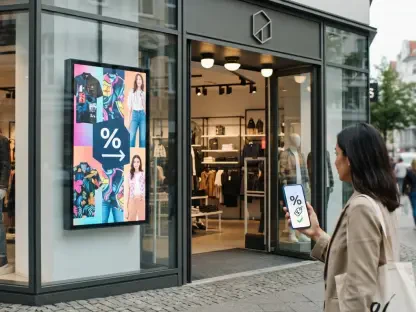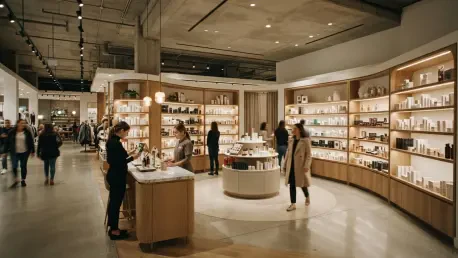

While the first concessions are several years away, the partnership is already being viewed as a sophisticated evolution of the traditional department store business model. This strategic alliance between the French beauty powerhouse and the British retail titan represents a significant recalibration of how domestic high-street staples approach specialized market sectors. By the spring of 2027, 100 Marks & Spencer locations will house these high-energy beauty hubs, aiming to bridge a gap where the British retailer previously underperformed. Despite maintaining a massive footprint in the food and clothing sectors, the retailer held a minimal 1.3% share of a beauty market valued at over £5 billion by the mid-2020s. This initiative is designed to harness Sephora’s global prestige to convert existing foot traffic into higher-margin beauty sales while simultaneously revitalizing the aesthetic appeal of physical stores that have faced stiff competition from digital-first platforms.
Strategic Synergy: Commercial Growth and Regional Expansion
The commercial logic driving this partnership centers on the immediate infusion of specialist authority into a generalist environment. For Marks & Spencer, the beauty sector has remained an elusive frontier despite the company’s long-standing reputation for quality and value. By integrating an established global leader like Sephora, the retailer effectively outsources the complex curation and trend-forecasting required to thrive in the modern cosmetics industry. This move allows the host brand to capitalize on the prestige and inventory of a specialist without the prohibitive costs of developing a proprietary high-end beauty line from scratch. From a financial perspective, the arrangement seeks to maximize the revenue generated per square foot of retail space. By transforming underutilized floor area into a high-demand beauty destination, the retailer creates a new stream of revenue that relies on high-frequency, high-intent purchases from a broader base than it currently serves.
From Sephora’s perspective, the alliance provides a rapid and low-risk expansion route into the regional United Kingdom market, bypassing many of the logistical hurdles associated with standalone store development. Gaining access to one hundred prime locations within a few years offers a level of physical saturation that would take a decade to achieve independently. This partnership leverages the deep-seated trust and community presence that the host retailer has cultivated over generations, providing an immediate sense of legitimacy in suburban and urban markets alike. The synergy is built on a shared interest in redefining the physical shopping experience as a multifaceted journey rather than a simple transaction. As consumers increasingly seek convenience, the ability to purchase high-end skincare alongside groceries and apparel presents a compelling value proposition. This collaborative model reflects a broader shift toward ecosystem retailing, where diverse brands coexist for a lifestyle destination.
Brand Transformation: Demographic Acquisition and Architectural Harmony
A fundamental pillar of this strategy involves shifting the demographic profile of the average shopper to include younger, trend-driven consumers. While the host retailer has historically struggled to maintain relevance with Gen Z and Millennial cohorts, the beauty giant brings an immediate cool factor backed by a massive social media presence and viral product launches. The presence of exclusive, globally recognized brands acts as a powerful magnet, drawing in a customer segment that might otherwise bypass traditional department stores in favor of online boutiques. This demographic shift is not merely about increasing sales in one department; it is a calculated attempt to future-proof the entire retail operation. By establishing a relationship with younger shoppers through beauty, the retailer creates opportunities to showcase its broader offerings. The goal is to strip away the legacy brand image and replace it with a modern, dynamic identity that resonates with a generation that values curated experiences.
Executing this partnership requires navigating a complex set of retail design challenges to ensure that two distinct brand identities can coexist harmoniously. The beauty giant is characterized by a high-contrast, monochrome visual language and intense lighting designed to create an energetic, high-impact atmosphere. In contrast, the host retailer typically utilizes a more understated aesthetic with softer finishes and a neutral color palette aimed at a relaxed shopping experience. Merging these two styles without creating a jarring visual disconnect requires a sophisticated approach to environmental design. The objective is to create a shop-in-shop that feels like an authentic Sephora destination while maintaining the overall architectural integrity of the larger store. Designers must carefully calibrate the transition points to ensure that the beauty zone stands out as a specialized area without appearing like an intrusive or foreign object. This balance is critical for maintaining a cohesive brand story.
The Discovery Model: Future Strategic Evolution and Implementation
The design of these concessions prioritizes a discovery model that encourages sensory engagement and prolonged browsing over quick, functional transactions. Unlike traditional beauty counters that can feel intimidating or overly formal, these spaces are built to be interactive and accessible. High-density shelving is replaced by experiential fixtures that incorporate mirrors, testing stations, and integrated digital displays. This environment invites consumers to touch, test, and experiment with products in a way that digital shopping cannot replicate. The layout is intentionally designed to slow down the customer journey, providing ample space for exploration without obstructing the main aisles of the store. This focus on physical interaction is essential for modern beauty retail, where shoppers often seek immediate gratification and personal validation of a product’s efficacy. By creating a low-pressure environment, the retailers are fostering a sense of community that encourages shoppers to return.
Moving forward, the primary challenge for the retail sector involved maintaining this momentum by continuously adapting to shifting consumer behaviors. To sustain growth, retailers had to prioritize the constant refreshment of inventory and the integration of emerging technologies that enhanced the discovery process. Actionable steps for other domestic giants included the adoption of modular store layouts and the investment in specialist training for staff to provide high-level service. The partnership served as a blueprint for how legacy brands could modernize their image without alienating their core customer base. Success was ultimately measured by the ability to turn one-time beauty shoppers into long-term loyalists across fashion and home sectors. Future developments in this space likely required even deeper data integration between partners to offer personalized shopping journeys that spanned across both brands’ digital and physical footprints to ensure a resilient high street.