
A new partnership between PayPal Australia and payments technology provider Quest Payment Systems is enabling customers to use buy now, pay later services at physical store terminals. This milestone represents the first time the popular interest-free installment service has moved from purely digital environments into the physical aisles of a major Australian national retailer like The Good Guys. By integrating this capability directly into point-of-sale hardware, the company is addressing a growing demand for consistency across shopping channels, ensuring that the same financial tools available at home on a laptop are accessible while standing at a checkout counter in a store. The move signals a broader trend in the Australian retail landscape where digital-first financial products are increasingly penetrating traditional brick-and-mortar spaces to provide a cohesive and high-tech experience for shoppers who want both speed and transparency. This initiative supports retailers by reducing friction.
1. Strategic Integration: Bridging Digital and Physical Retail
The technological foundation of this initiative rests upon a collaboration with Quest Payment Systems, an Australian-owned entity that specializes in designing and manufacturing payment terminal hardware locally. By leveraging Quest’s expertise, the system avoids the need for retailers to install entirely new hardware, instead utilizing the existing terminal infrastructure that many major chains already have in place. This seamless integration allows for a secure and streamlined checkout experience that replicates the trust and ease of the online environment. For businesses, this means being able to offer advanced financial options without significantly altering their daily operations or requiring extensive staff training. The shift toward digital-first credit solutions in physical stores reflects a broader evolution in how commerce is conducted in 2026, where the boundary between a website and a physical shopfront continues to blur for the average Australian shopper looking for choice.
Moreover, the strategic decision to debut this technology with The Good Guys highlights a focus on electronics and home appliances, sectors where consumers frequently manage high-ticket expenditures. Such items often necessitate flexible budgeting, and the availability of interest-free installments can be the deciding factor for a customer during the decision-making process. The partnership between these two organizations serves as a blueprint for how legacy payment processors and modern fintech platforms can work together to modernize the point of sale. Beyond the immediate benefit of improved cash flow for the merchant, this collaboration provides a sophisticated data layer that helps retailers understand consumer preferences in real-time. As the rollout progresses, the focus remains on maintaining high security standards and ensuring that the payment process remains as intuitive as a standard card tap, thereby encouraging long-term adoption among various demographics.
2. Consumer Dynamics: The Rise of Flexible Payment Habits
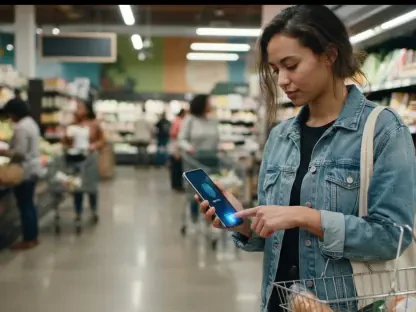
Data from the latest industry research suggests that Australians are increasingly viewing buy now, pay later options as a fundamental budgeting tool rather than just an alternative to traditional credit cards. Approximately twenty-six percent of the population now utilizes these services for a variety of needs, ranging from everyday essentials to significant lifestyle upgrades. Interestingly, sixty percent of these users specifically seek out these tools to spread the cost of larger purchases over a manageable period. This behavior is particularly prevalent among younger generations who prioritize financial transparency and the avoidance of high-interest debt common with traditional banking products. By moving these services in-store, retailers are responding to a cultural shift where the ability to manage cash flow is just as important as the quality of the product being purchased. This trend is expected to grow as more people realize the benefits of real-time approval.
In addition to budgeting, many consumers cite the management of cost-of-living pressures as a primary driver for using interest-free payment models in 2026. Roughly forty-five percent of users acknowledge that these services help them navigate fluctuating economic conditions without compromising their immediate household needs. Furthermore, the flexibility offered by these digital credit options is often cited as superior to other forms of revolving credit, with forty-two percent of respondents noting that the absence of late fees and hidden charges provides a level of comfort that traditional loans do not. This psychological security is vital in a retail environment where consumer confidence can be impacted by broader market forces. By offering a trusted, no-fee solution at the physical checkout, merchants are able to build stronger relationships with their customers, fostering loyalty through the provision of practical financial support during the shopping journey.
3. Operational Workflow: How the In-Store Solution Functions
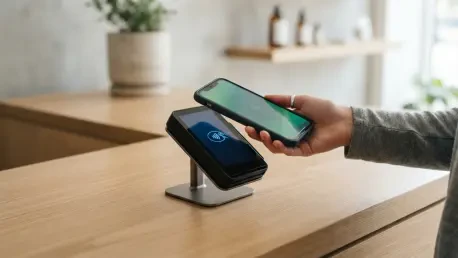
The process for utilizing this new in-store capability has been designed to be as efficient as possible for both the consumer and the store associate. To begin the transaction, a customer selects the PayPal option at the checkout on a Quest terminal, which will then generate a PayPal QR code on the screen for the shopper to interact with. This specific step eliminates the need for physical cards or the manual entry of account details at the counter, streamlining the movement of the queue. Next, the customer will use a smartphone to capture the QR code and sign in to a PayPal account. If eligible, the user chooses the Pay in 4 option and submits their application for instant approval to finish the payment. This high-speed approval process is handled entirely within the mobile interface, ensuring that sensitive financial information remains private and secure between the user and the provider. This digital handshake ensures that the transaction moves forward with minimal delay.
After the user has completed the necessary steps on their personal device, they must simply wait for the terminal to get the green light to confirm that the in-store transaction is complete. The terminal receives confirmation, and the in-store purchase is finalized within seconds, at which point the customer receives an immediate electronic receipt confirming their payment schedule. This workflow represents a significant leap forward in merging mobile technology with traditional retail infrastructure in 2026. It allows for a level of security that is often higher than traditional swipe or chip methods, as it relies on the biometric security or multi-factor authentication already present on the user’s smartphone. For retailers, the speed of this process is crucial for maintaining throughput during busy shopping periods, such as holiday sales or weekend surges. By keeping the interface familiar, the system minimizes the potential for user error or frustration.
4. Future Trajectory: Scaling Beyond The Good Guys
Looking ahead, the successful implementation at The Good Guys is merely the starting point for a broader rollout across the Australian retail landscape. Plans are already in motion to extend these in-store capabilities to a wider range of merchants throughout 2026 and into early 2027. This expansion is expected to include major grocery chains, pharmacies, and automotive service providers that already utilize Quest Payment Systems for their transaction processing. As more retailers adopt this technology, the expectation is that consumer behavior will shift even further toward mobile-integrated payments, eventually making the QR-code-based installment plan a standard feature of the Australian shopping experience. This evolution will likely spur further innovation among competitors, leading to even more diverse and customer-centric financial products. The goal is to create a retail ecosystem where the method of payment is as personalized and flexible as the selection of goods for every Australian.
Retailers that participated in the early stages of this rollout recognized the importance of staying ahead of payment trends to meet changing consumer expectations. They analyzed the data from initial transactions and adjusted their floor strategies to better assist customers with the digital checkout process. It became clear that providing a seamless transition between online accounts and physical stores was a critical factor in driving sales for high-value items. Moving forward, businesses should prioritize the training of staff on these digital-first systems to ensure that they can provide real-time assistance as the technology becomes ubiquitous. Leaders in the sector encouraged the adoption of unified payment platforms that can bridge the gap between various financial products. By observing the success of the integration at The Good Guys, other merchants identified the path toward a more flexible and responsive retail environment that placed the shopper’s financial health at the center.