
The traditional path to beverage stardom often involves a grueling cycle of local distribution and manual inventory tracking that leaves most startups bankrupt before they reach the national stage. Success for a modern beverage brand hinges less on the flavor profile of the liquid and more on the

Michael Hill's jewelry operations across Australia, New Zealand, and Canada require an incredibly sophisticated approach to inventory management that balances high-value stock with volatile consumer demand. The traditional reliance on manual forecasting and broad seasonal estimates often resulted
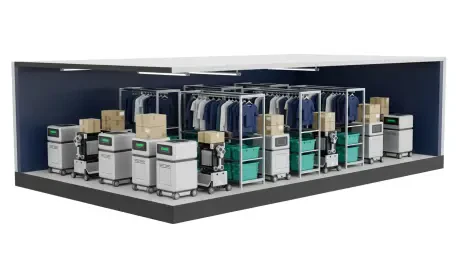
The rapid escalation of consumer expectations in the fashion industry has created a logistics environment where manual processing can no longer keep pace with the sheer volume of orders and returns. When a single viral social media post can trigger a surge of tens of thousands of orders in mere

The transition of a simple heirloom tomato from a sun-drenched field to a sterile supermarket shelf often conceals a chaotic web of manual logs and unverified promises. While logistics and retail have embraced high-speed automation, the upstream segment of the food journey—the farm itself—has long
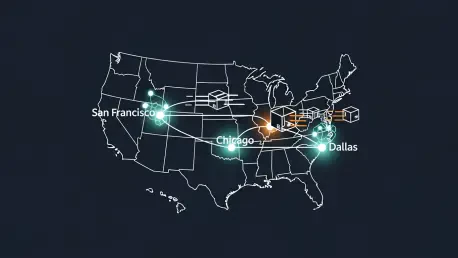
The moment a burgeoning direct-to-consumer brand transitions from shipping dozens of orders to thousands is often the exact point where operational efficiency begins to collapse under its own weight. This transition frequently reveals the scale paradox, a frustrating reality where business growth
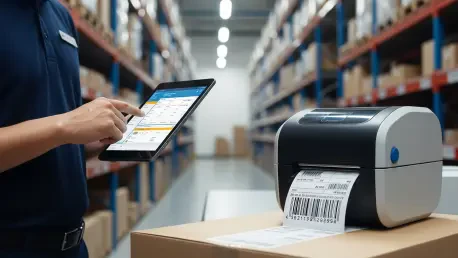
Navigating the complexities of modern e-commerce fulfillment requires a sophisticated understanding of how shipping software bridges the gap between digital storefronts and physical delivery. In the current marketplace, where consumer expectations for fast and affordable shipping are at an all-time