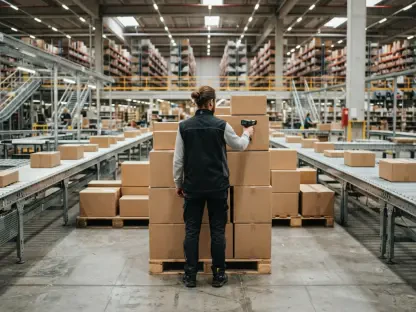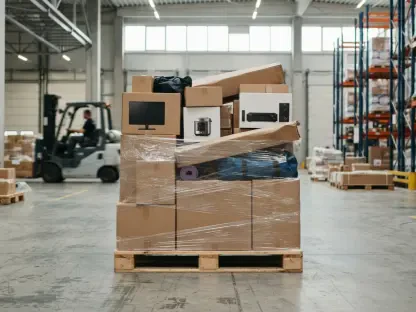

Holiday shopping periods represent high-stakes windows where a single inventory failure can lead to a lifetime of lost customer revenue. When a consumer arrives at a digital or physical storefront with the intent to purchase, the availability of the product is no longer viewed as a logistical success but as a baseline requirement for professional service. Recent data from a comprehensive Doss survey indicates a precarious reality for modern retailers: approximately 82% of shoppers express a willingness to explore competing brands if their preferred store suffers from frequent stock-outs. Even more concerning is the fact that 62% of these individuals have already made a permanent transition to a rival brand due to past fulfillment disappointments. This shift is not merely a temporary inconvenience but a fundamental realignment of brand loyalty. As the market becomes increasingly saturated, the margin for error narrows, making precise inventory management the most critical component of a company’s long-term retention strategy.
The Psychology of Scarcity and Consumer Defection
The erosion of consumer trust is particularly evident in specialized sectors such as fashion, beauty, and high-end electronics where specificity is the primary driver of the purchase decision. In these industries, a customer is rarely looking for a generic item; they are searching for a specific clothing size, a unique makeup shade, or a particular technical specification in a gadget. When these highly specific needs are not met, the emotional frustration often outweighs the brand’s historical reputation. Research suggests that 74% of shoppers encountered significant stock-outs for their routine purchases within the last year alone, highlighting a systemic failure in supply chain agility. For a quarter of these consumers, the immediate reaction was a measurable loss of trust in the brand’s reliability. This psychological break often manifests in public feedback, as users have increasingly begun to leave negative reviews that specifically target fulfillment issues rather than the quality of the product itself.
Once a customer is forced to seek an alternative from a competitor, the barrier to switching brands is permanently lowered. If the rival brand provides a seamless fulfillment experience, the original retailer loses the “default” status in the consumer’s mind. This transition is often accelerated by the modern digital landscape, where price comparison tools and instant delivery options make it easier than ever to pivot to a more reliable source. Retailers are finding that loyalty is no longer built solely through marketing or product design; it is maintained through the quiet, consistent execution of supply chain promises. Failure to deliver on availability is interpreted as a lack of respect for the customer’s time and needs. Consequently, the fiscal health of a retail business is now inextricably linked to its ability to maintain high on-shelf availability rates through increasingly volatile market cycles where buyers prioritize immediate gratification over long-term brand affinity.
Advanced Logistics as a Retention Strategy
To mitigate the risk of permanent customer defection, industry leaders are increasingly moving away from traditional reactive ordering models in favor of sophisticated predictive analytics. By leveraging advanced data tools, organizations can now anticipate demand surges with remarkable precision, often identifying trends before they fully manifest in sales figures. This proactive approach allows for a more dynamic redistribution of stock across various nodes in the supply chain, ensuring that high-demand items are positioned closer to the end consumer. For instance, integrated inventory systems now provide real-time visibility across online and brick-and-mortar channels, preventing the common frustration of a “ghost” inventory listing where an item appears available online but is actually out of stock. These technological implementations are not merely luxury upgrades but essential defenses against the rising tide of consumer impatience that defines the modern marketplace from 2026 to 2028 and beyond.
Looking back at the recent evolution of retail, the industry recognized that fulfillment was the final frontier of brand loyalty. Companies that prioritized sophisticated inventory architecture successfully navigated the complexities of global supply disruptions while maintaining high levels of customer retention. These organizations moved beyond simple restocking cycles and instead invested in transparent, data-driven systems that kept consumers informed and satisfied. By treating every stock-out as a critical threat to long-term revenue, management teams implemented solutions that offered specific alternatives and accurate lead times. The decision to integrate real-time visibility across all platforms proved to be a decisive factor in preventing the defection of shoppers to rival brands. Ultimately, the transition to a more agile logistics model provided the necessary foundation for sustained growth. Moving forward, the mandate remained clear: prioritize predictive accuracy and proactive customer communication to ensure survival.