
Earning the TRUE certification required the retailer to maintain a 90% diversion rate while adhering to strict requirements for waste contamination. This milestone marks a significant shift in how large-scale consumer electronics retailers handle the massive influx of packaging and logistical materials that typically end up in landfills. The complexity of managing thousands of unique SKUs, ranging from delicate smartphone components to massive appliances, presents a unique waste challenge that few industries face with such intensity. For an organization of this magnitude, the transition toward a zero-waste model was not merely a matter of installing more recycling bins in breakrooms. It involved a comprehensive overhaul of internal processes, from the moment a product enters a distribution center to the point it leaves a regional warehouse. This strategy reflects a broader corporate commitment to environmental stewardship that balances operational efficiency with measurable ecological impact across every touchpoint of the logistics network.
Operational Excellence: The Path to Source Separation
Rethinking Warehouse Infrastructure and Material Flows
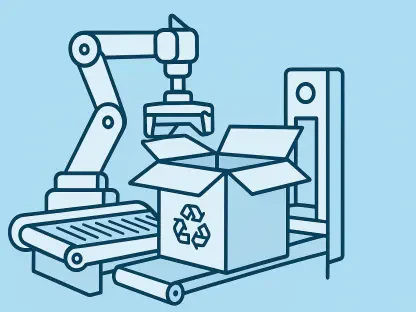
At the heart of the transformation was a complete reimagining of distribution center workflows, specifically focusing on the separation of materials at the point of generation. Instead of collecting mixed waste and relying on downstream sorting, facilities implemented a source-separation model where cardboard, plastic film, and wooden pallets are processed immediately. This proactive approach minimizes contamination, which is a major barrier to high-quality recycling and the eventual sale of raw materials back into the manufacturing loop. Workers were trained on new protocols that emphasize the value of clean waste streams, treating discarded materials as valuable commodities rather than burdens. By integrating sophisticated baling machines and automated sorting technologies into the existing infrastructure, the retailer significantly reduced the volume of material sent to incineration or landfills. These adjustments allowed the logistics team to capture more value from secondary markets, creating a self-sustaining financial model for the business.
Implementing Advanced Triage and Refurbishment Systems
Building on this operational foundation, the retailer introduced specialized systems to handle electronic waste and damaged goods that cannot be sold through traditional retail channels. This involves a rigorous triage process within the warehouse environment to determine if an item can be repaired, harvested for parts, or responsibly recycled for its precious metal content. Rather than disposing of items with minor cosmetic flaws, the supply chain now redirects these products to secondary outlets or refurbishment centers, extending the lifecycle of the technology. This internal circularity reduces the need for new raw materials and prevents toxic components from entering the environment through improper disposal methods. The integration of advanced tracking software ensures that every piece of electronic waste is accounted for, providing a transparent audit trail that satisfies the stringent documentation requirements. Such a high level of accountability demonstrates that environmental goals can be aligned with operational precision across a nationwide network of hubs.
Collaborative Networks: Driving Change Through Partnerships
Integrating Sustainable Packaging Standards for Vendors
While internal changes were critical, the retailer recognized that a significant portion of its waste arrived from external vendors in the form of excessive packaging and non-recyclable materials. To address this, the company established a set of rigorous sustainability standards for its suppliers, mandating the use of recyclable or compostable materials in transit packaging. These guidelines encouraged manufacturers to transition away from expanded polystyrene foam and single-use plastics, replacing them with molded fiber or reinforced paper alternatives. By working closely with technology brands during the product development phase, the retailer helped influence the design of packaging that is both protective and environmentally friendly. This collaboration ensures that by the time a product reaches a distribution center, it is encased in materials that can be easily integrated into the existing recycling streams. The reduction in incoming waste volume directly impacts the labor required for sorting, further enhancing the overall efficiency of the supply chain.
Transitioning to Circular Logistics and Reusable Assets
The journey toward zero waste also highlighted the importance of workforce engagement and local community involvement in achieving long-term sustainability goals. The retailer found that empowering employees to take ownership of waste reduction efforts led to innovative solutions that might have been overlooked by top-down corporate mandates. Moving forward, the focus shifted toward sharing these best practices with smaller retailers and regional partners to create a more interconnected and sustainable commercial landscape. By providing open-source data on its waste diversion techniques and vendor requirements, the organization helped to elevate the entire industry. The transition observed from the start of 2026 to the present day demonstrated that with the right combination of technology, policy, and partnership, even the most complex supply chains were transformed. The next logical step involved expanding these efforts to include the consumer’s role in the circular economy, ensuring that products were returned and recycled with the same excellence.