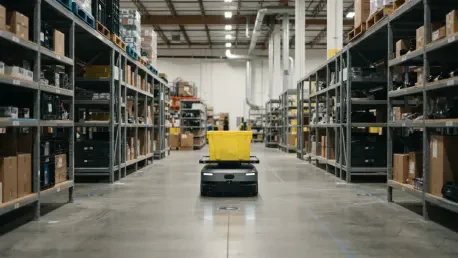

Outsourcing fulfillment to third-party logistics providers allows brands to access sophisticated infrastructure without massive upfront capital investments. This shift represents a broader trend in 2026 where the focus has moved from simply acquiring the most advanced robotics to integrating systems that yield tangible operational resilience. As supply chains face persistent labor shortages and fluctuating consumer expectations, the drive to automate everything has been replaced by a more nuanced strategy. Success in this environment requires a departure from the “all-or-nothing” mentality that characterized early automation efforts. Instead, forward-thinking organizations are prioritizing modularity and scalability, ensuring that every technological addition serves a specific business objective rather than just following an industry trend. This evolution demands a rigorous assessment of current capabilities versus long-term goals, forcing companies to weigh the benefits of ownership against the flexibility of shared services in a highly competitive market landscape.
Identifying the Optimal Level of Automation
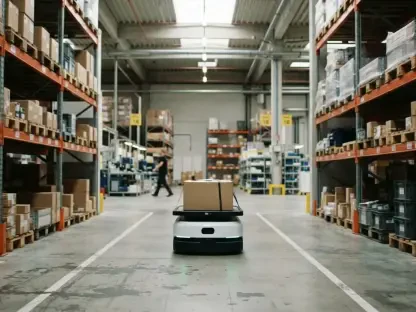
Focusing on the leanest possible combination of technology and manual labor is the primary goal for modern distribution centers. In 2026, the most effective facilities are those that avoid over-engineering by first mapping out their existing workflows and pinpointing where delays actually occur. Rather than installing a high-speed sorting system simply because it is available, operators are examining whether a more modest upgrade to a warehouse management system could solve the underlying issue. This “operation-first” philosophy ensures that technology functions as an enabler of efficiency rather than a source of maintenance-heavy complexity. By addressing core bottlenecks like inaccurate picking or slow packing stations, retailers can see immediate improvements in throughput without the risk of over-investing in hardware that exceeds their actual needs. This targeted approach allows for a more sustainable growth trajectory, where each phase of automation is justified by the specific relief it provides.
A successful automation roadmap depends heavily on a deep understanding of data points such as order dynamics and SKU characteristics. Retailers must analyze their inventory velocity and dimensional data to determine if goods-to-person systems, autonomous mobile robots, or traditional conveyor belts are the most appropriate fit. In the current 2026 market, the diversity of product sizes and the unpredictability of seasonal spikes mean that a rigid automation setup can quickly become a liability. Therefore, analyzing the number of lines per order and the frequency of single-item shipments provides the necessary insight to select technologies that offer the best return on investment. Furthermore, the requirements for direct-to-consumer fulfillment are vastly different from wholesale distribution, necessitating a tailored strategy that reflects the unique nuances of each sales channel. This granular level of analysis prevents the mistake of applying a one-size-fits-all solution to a complex, multi-faceted business model.
Evaluating the Case for In-House Systems
For companies with stable, long-term facility plans, building internal automation capabilities offers the highest level of control over the fulfillment process. The rise of Robotics-as-a-Service models in 2026 has made this path more accessible by converting high capital expenditures into manageable operational expenses. This allows brands to deploy fleets of autonomous robots without the daunting upfront costs previously associated with such technology. However, maintaining these systems internally requires a robust technical infrastructure and a dedicated team capable of managing complex integrations. Organizations that choose this route often find that the ability to customize every aspect of the warehouse layout and software logic provides a significant competitive advantage. This level of autonomy is particularly valuable for retailers with proprietary packaging or highly specialized handling requirements that standard third-party providers might struggle to accommodate efficiently in a standard multi-client setup.
Ownership of warehouse automation brings with it the significant responsibility of managing system uptime, staff training, and data integrity. While the robots themselves might handle the physical labor, the human workforce must be upskilled to supervise and troubleshoot these advanced systems. In 2026, internal logistics teams are increasingly focused on ensuring that product dimensions and inventory records are perfectly accurate, as even minor data discrepancies can lead to system failures. Moreover, the burden of maintenance and hardware updates falls entirely on the retailer, necessitating a consistent workload to keep the facility profitable and the investment utilized. This model demands a high degree of operational maturity and a willingness to navigate the steep learning curve associated with process redesign. For those who can manage these challenges, the result is a deeply integrated supply chain that responds rapidly to internal business shifts without the need for external coordination or service negotiations.
Benefits of Partnering With Logistics Experts
Partnering with a third-party logistics provider remains a highly strategic move for brands that require scale without the complexities of facility management. These experts offer access to cutting-edge automated sorting and storage solutions that might be financially out of reach for an individual company to build on its own. In 2026, many 3PLs operate multi-client facilities where several brands share the same high-speed infrastructure, allowing smaller retailers to benefit from economies of scale. This shared model provides a way to handle volume spikes during peak seasons without having to pay for idle capacity during slower months. For larger brands with more specific needs, dedicated 3PL operations provide a middle ground where the provider designs and runs a custom facility tailored to a single client’s requirements. This allows the brand to offload the risks of labor recruitment and technological obsolescence to a partner whose primary core competency is the efficient execution of warehouse logistics.
The agility provided by outsourcing is particularly crucial in the volatile market conditions of 2026, where consumer trends can shift overnight. By leveraging the expertise of a 3PL, retailers can pivot their fulfillment strategies more quickly than if they were locked into a long-term lease or a rigid internal automation setup. This flexibility allows companies to focus their resources on marketing, product innovation, and customer engagement rather than the intricacies of conveyor maintenance or labor relations. Furthermore, logistics partners are typically better equipped to trial and implement the latest technological advancements, ensuring that their clients always have access to the most efficient tools available. This relationship transforms fulfillment from a potential bottleneck into a scalable engine for growth, where the risks associated with technological shifts are mitigated by the partner’s broader portfolio of clients and infrastructure. It creates a resilient buffer against the uncertainties of global supply.
Analyzing Total Costs and Future Risks
Determining the true value of an automation strategy requires looking far beyond the initial equipment quotes and focusing instead on the total cost-to-serve. In 2026, a comprehensive business case must include everything from engineering support and integration fees to the potential costs of system downtime. Comparing an internal automation project against a third-party provider’s service rate is only effective if both scenarios are evaluated under the same rigorous financial standards. Retailers must account for the indirect costs of managing a high-tech facility, including the need for specialized IT support and the energy consumption of large-scale robotic systems. Stress-testing these financial models against various demand forecasts ensures that the chosen strategy remains viable even if the market experiences a downturn. If the projected savings are only achievable under perfect conditions, the automation plan is likely too fragile for the realities of modern commerce, where disruption is common.
The decision to scale warehouse automation was ultimately treated as a continuous journey that required meticulous due diligence and a focus on long-term sustainability. Retailers verified their partners’ ability to integrate with existing order management platforms and established clear performance standards to ensure accountability. This strategic approach favored flexible systems that could adapt to changing product assortments and consumer behaviors, rather than static solutions that risked becoming obsolete within a few years. By prioritizing the total cost-to-serve over short-term savings, organizations created resilient supply chains capable of navigating the complexities of 2026. The shift toward modular automation and collaborative logistics models provided the foundation for a more agile response to market shifts. In the end, the most successful companies were those that recognized technology as a means to an end, ensuring that every investment supported a seamless customer experience while maintaining operational health.