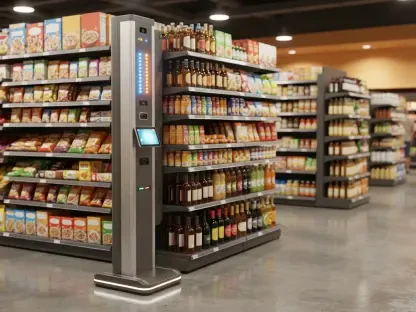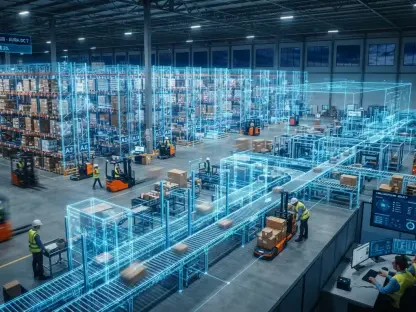

The rapid metamorphosis of retail theft from localized shoplifting into a multi-billion-dollar systemic supply chain crisis has forced organizations to rethink traditional loss prevention strategies. As these networks become increasingly sophisticated, the battleground has shifted from the storefront to the entire logistics network. This transition is not merely about physical security but about the integrity of information. Criminals now exploit blind spots in the movement of goods, using fraudulent credentials and digital deception to divert high-value shipments before they ever reach a shelf. The scale of the problem is staggering, with billions lost annually to organized retail crime syndicates that operate like multinational corporations. To combat this, retailers are moving away from reactive measures toward a foundation built on data transparency. By ensuring that every touchpoint in the supply chain is recorded and verified, companies can create a defensive perimeter that is as much digital as it is physical today.
Digital Deception and the Rise of Cargo Theft
The modern criminal landscape is characterized by the use of highly sophisticated digital tools that facilitate high-level fraud on a massive scale. Syndicates are no longer just sending individuals into stores with bags; they are using artificial intelligence to forge shipping credentials and impersonate legitimate freight brokers within digital logistics platforms. This technological pivot allows them to orchestrate the theft of entire truckloads of high-value goods without firing a single shot or breaking a physical lock. Recent industry data indicates an alarming surge in cargo theft, with criminals specifically targeting high-liquidity items such as personal care products, electronics, and designer apparel. These items are favored because they can be moved quickly through unverified online marketplaces, making them ideal targets for modern polycriminal networks. By exploiting the lack of granular data verification in the handoff between carriers, these groups find the paths of least resistance.
Beyond the initial act of theft, the ability to liquidate stolen merchandise through digital channels has fundamentally changed the risk-reward calculation for organized crime groups. The anonymity of global online platforms allows stolen items to be mixed with legitimate stock, making detection nearly impossible for the average consumer or even small-scale retailers. This illicit trade infrastructure relies on the gaps in product tracking that have traditionally plagued the retail industry. When a product is stolen from a distribution center, it often disappears from the digital record, only to reappear on a secondary market where its origin is obscured. The rise of these networks has necessitated a more aggressive approach to documenting the provenance of every item. Organizations are beginning to realize that the fight against theft cannot be won in the aisles alone but must include a concentrated effort to secure the data that defines a product’s legitimacy as it moves from the factory to the end user.
Integrating Intelligence across Legal Frameworks
In response to the escalating sophistication of these crimes, federal legislative efforts like the Combating Organized Retail Crime Act are gaining momentum across the country. This policy aims to dismantle the silos that currently exist between local law enforcement, federal agencies, and private-sector security teams. By establishing a central coordination center, the goal is to shift the focus from arresting individual actors at the store level to dismantling the entire financial and logistical infrastructure of criminal organizations. This unified response acknowledges that organized retail crime is a form of economic warfare that requires shared intelligence and a common operational picture. When data is shared seamlessly between the public and private sectors, it becomes much harder for syndicates to exploit jurisdictional gaps. The act encourages a standardized reporting protocol, ensuring that every incident of theft is recorded with enough detail to build a broader case against the leadership of these groups.
This transition requires security to become a top-tier boardroom priority involving information technology, logistics, and legal departments rather than just store-level management. The fundamental weakness in modern logistics is the reliance on content assumptions, where pallets are moved through the network without granular verification at every stage. To close these significant gaps, companies are moving toward a tiered identification system that includes Global Trade Item Numbers and individual serialization to create a digital fingerprint for every product. This level of detail allows security teams to track the movement of specific batches and identify exactly where a chain of custody was broken. When the boardroom views security as a data integrity challenge, it opens the door for investments in more robust tracking systems that serve both loss prevention and operational efficiency. This shift ensures that the response to theft is integrated into the core business strategy rather than treated as a separate cost of doing business.
Standardizing Visibility with Advanced Tracking
Radio Frequency Identification technology serves as a critical tool in this new defensive landscape by allowing for the rapid, automated auditing of shipments at various points of transit. Unlike manual barcodes, which require a direct line of sight and individual scanning, RFID can verify the contents of an entire shipping container in seconds as it passes through a portal. This ensures that no shrinkage occurs during custody transfers between manufacturers, shippers, and retailers. This technology provides the necessary visibility to identify exactly where a product leaves the authorized chain of custody, effectively narrowing down the search area for investigative teams. By implementing automated audits, companies can detect discrepancies in real-time, preventing the slow bleed of inventory that often goes unnoticed until a physical count is conducted months later. The ability to verify the presence of every serialized item ensures that the physical reality of the inventory always matches the digital record.
The effectiveness of hardware like RFID is amplified when it is paired with the Electronic Product Code Information Services standard. This global data standard creates a common language for all stakeholders in the supply chain, documenting the what, where, when, and why of every product movement. When retailers and carriers share this event data, they create a transparent history that makes it nearly impossible for stolen or counterfeit goods to be reintroduced into legitimate commerce channels. By establishing a single source of truth for the lifecycle of a product, organizations can verify its authenticity at any point in the journey. This collaboration is essential because organized crime often exploits the lack of communication between different parties in the logistics process. When every stakeholder operates on the same data standard, the visibility gap closes, and the opportunity for theft is drastically reduced. This standard not only deters crime but also fosters a culture of accountability.
Strategic Impact and Operational Resilience
Given the complexity of global supply chains, retailers were encouraged to adopt a prioritized approach by first securing their most vulnerable product categories. By mapping visibility gaps in high-risk sectors like beauty and electronics, organizations achieved a rapid return on investment while refining their data protocols. This targeted strategy allowed for the gradual hardening of the entire supply chain against criminal interference. Companies that focused on high-liquidity items discovered that the implementation of high-integrity data systems did more than just stop theft; it provided a blueprint for securing less vulnerable goods. This phased rollout ensured that the most critical assets were protected immediately while the organization built the technical capacity for broader implementation. The result was a more robust security posture that was capable of adapting to the changing tactics of criminal syndicates, ensuring that the defensive measures evolved as quickly as the threats themselves in the modern market.
Beyond crime prevention, the adoption of high-integrity data systems provided significant operational advantages that bolstered the bottom line for many retailers. Improved data accuracy led to better inventory management, more reliable omnichannel fulfillment, and streamlined logistics during shipment handoffs. Ultimately, investing in data integrity did more than just deter theft; it built a more resilient, transparent, and efficient business model capable of thriving in a high-risk global economy. Leaders who prioritized these systems moved away from simple reactive security and instead embraced a proactive stance that treated every piece of data as a valuable asset. This shift in perspective allowed organizations to optimize their operations while simultaneously closing the doors on organized crime. Future-proofing the retail industry required a commitment to absolute visibility, ensuring that the supply chain remained a secure conduit for commerce rather than a playground for sophisticated criminal networks.