
Shopee’s market leadership, backed by an $83.2 billion gross merchandise volume in 2025, is now facing its most significant challenge as TikTok moves beyond impulse-driven live stream purchases. The global commerce landscape is witnessing a seismic shift as the boundaries between social media entertainment and traditional retail blur into a singular, unified experience. ByteDance has recognized that while short-form video content remains a powerful engine for discovery, the long-term sustainability of its e-commerce arm depends on capturing consumers who shop with specific intent. This strategic pivot has culminated in the rollout of a standalone TikTok Shop application across key Southeast Asian hubs, including Singapore, Malaysia, and Thailand. By decoupling the shopping experience from the primary social feed, TikTok is attempting to build a comprehensive “content-plus-shelf” model that directly threatens the established dominance of regional heavyweights like Shopee and Lazada. This evolution signifies a move toward a more mature retail ecosystem where the convenience of a traditional digital storefront meets the high engagement of social media, forcing established players to rethink their defensive strategies in a rapidly saturating market.
Shifting From Discovery to Shelf E-Commerce
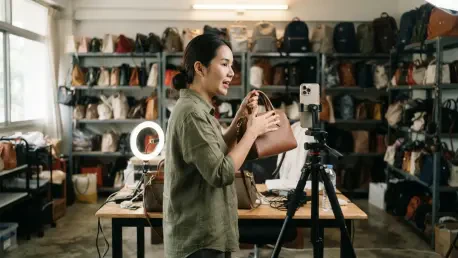
The primary driver behind TikTok’s strategic evolution is the transition from a passive discovery model to a “shelf” e-commerce framework. In the traditional TikTok ecosystem, shopping was largely a byproduct of content consumption, where products would essentially find the user through viral videos or charismatic live stream hosts. While this “product-finds-user” approach was revolutionary for triggering impulse buys, it often lacked the utility required for planned or essential purchases. The new standalone app fundamentally flips this script by prioritizing the “user-finds-product” model. By adopting a “shelf” layout—complete with a prominent search bar, structured categorical navigation, and a standardized product listing flow—TikTok is positioning itself as a destination for consumers who open an app with a specific purchase in mind. This change allows the platform to compete directly for high-intent traffic, which has historically been the exclusive domain of traditional marketplaces that prioritize search efficiency over entertainment value.
This structural shift is not merely about a new interface but about catering to a different consumer mindset. High-intent shoppers typically demand a frictionless experience where they can quickly compare specifications, read verified reviews, and track their orders without the distraction of a continuous video loop. By creating a dedicated environment for these activities, TikTok can capture a broader share of the household wallet, moving beyond fashion and beauty trends into essential categories like electronics and home appliances. This organized environment also provides a cleaner canvas for merchants to manage their digital storefronts, offering tools that emphasize long-term utility rather than short-term virality. As this shelf model matures, it creates a sustainable ecosystem that retains users even when they are not in the mood for entertainment, effectively transforming TikTok from a social diversion into a fundamental retail utility that rivals the convenience of any established global marketplace.
Analyzing Recent Trends in Platform GMV
Recent market data highlights a significant transformation in the revenue structure of TikTok Shop, particularly in the United States and Southeast Asian markets. Throughout 2025, while short-form video content remained a vital source of traffic, its relative contribution to the platform’s Gross Merchandise Volume (GMV) began to stabilize, while the contribution from the “Mall” or “Shelf” sector surged. By the first half of 2026, data suggests that shelf-based sales officially surpassed content-driven sales in several key regions, representing more than half of the total transaction volume. This trend indicates that initial discovery through a viral video often serves as a gateway, but actual transactions and subsequent repeat purchases are increasingly happening through the platform’s search and mall functions. The standalone app is a direct response to this behavioral evolution, providing a permanent home for traffic that has moved beyond the initial discovery phase.
The surge in shelf-based GMV also points to a growing maturity in the consumer relationship with social commerce platforms. Once a user has been introduced to a brand or product via a live stream, they often develop a recurring need for that item. Relying solely on the original video to reappear in their feed is an inefficient way to facilitate a second purchase. The dedicated shopping interface captures this recurring revenue by making the repurchase process as simple as a few taps on a search result. For TikTok, this transition is crucial for competing with the sheer volume of transactions handled by Shopee, which built its empire on the reliability of search-driven retail. By institutionalizing the “shelf” experience, TikTok ensures that it does not just capture the moment of excitement but also the long-term loyalty of shoppers who value consistency and accessibility throughout their consumer journey.
Managing Friction Between Social and Retail
One of the most complex internal challenges for ByteDance involves managing the inherent friction between TikTok’s social identity and its retail ambitions. There is a delicate balance between providing a vibrant marketplace and maintaining a high-quality social environment that keeps users engaged. An over-saturation of e-commerce content, such as constant live stream pitches or heavy product integration in the main feed, can lead to significant user fatigue and a degradation of the core entertainment experience. If the primary video feed becomes indistinguishable from an infomercial, the platform risks driving away the very users who provide the attention that fuels its advertising and retail businesses. The standalone TikTok Shop app serves as a vital release valve for this tension, allowing the company to aggressively scale its retail operations without compromising the integrity of the main social interface.
Furthermore, this separation addresses organizational complexities and operational agility within the company. In the current corporate structure, TikTok and TikTok Shop often operate as distinct business units with their own specific performance targets and internal traffic costs. By establishing a standalone application, the e-commerce team gains the autonomy to implement specialized recommendation algorithms, merchant tools, and search optimizations tailored specifically for retail performance. This independence allows for faster innovation, as the retail arm no longer needs to navigate the broader organizational bureaucracy of the social app for every technical update. This operational decoupling ensures that while the two platforms remain interconnected through a shared user base, they can evolve at different speeds to meet the unique demands of social entertainment and digital commerce, ultimately protecting the user experience across both ecosystems.
The Competitive Landscape in Southeast Asia
Southeast Asia has emerged as the definitive testing ground for the future of global retail, characterized by a fierce rivalry between traditional titans and social upstarts. Shopee currently maintains the top position in the region, leveraging a decade of investment in localized logistics, payment gateways, and a massive network of active merchants. However, the ground has shifted significantly following TikTok’s strategic merger with Indonesia’s Tokopedia. This alliance provided TikTok with the essential local infrastructure and merchant relationships needed to challenge Shopee’s dominance on its home turf. By early 2026, the combined market share of TikTok and Tokopedia climbed to over 34%, creating a formidable force that has forced parent companies like SEA Group to aggressively defend their margins and invest more heavily in their own content-driven defensive features.
While Shopee remains the market leader in total transaction volume, the gap is narrowing as TikTok successfully translates its social engagement into retail traffic. Lazada also continues to play a specialized role in the market, focusing on authentic brands and high-end electronics through its LazMall segment, but it increasingly finds itself squeezed between Shopee’s volume and TikTok’s engagement. The competitive dynamic is no longer defined solely by who has the most users, but by who can offer the most comprehensive service. TikTok’s rapid ascent is powered by its ability to capture the attention of a younger, mobile-first demographic that views shopping as a form of social participation. As TikTok integrates Tokopedia’s logistical expertise with its own advanced recommendation engines, the platform is moving closer to achieving the scale required to unseat Shopee as the primary destination for Southeast Asian consumers who are increasingly looking for a seamless blend of entertainment and utility.
Convergence of Diverse Business Models
A significant trend currently reshaping the e-commerce industry is the convergence of seemingly opposite business models. While TikTok is moving toward the “shelf” features that define traditional marketplaces, Shopee and its peers are aggressively adopting “content” features to mimic TikTok’s engagement. This cross-pollination indicates that the future of retail is neither purely social nor purely functional, but a total integration of both worlds. Shopee has significantly increased its investment in live streaming and short video content, recognizing that it must offer more than just a search bar to retain users in an era of infinite digital distractions. By the third quarter of 2026, content-driven orders on traditional platforms have seen double-digit growth, proving that the entertainment-led discovery model is a necessary component for any successful modern marketplace.
The ultimate goal of this convergence is to secure “top-of-mind” awareness in the consumer’s daily routine. Currently, most users still maintain a psychological distinction between platforms: they open Shopee when they have a functional need and open TikTok when they want to pass the time. The launch of the standalone TikTok Shop app is a bold attempt to bridge this gap and occupy both mental spaces simultaneously. If TikTok can successfully reprogram user habits, it can ensure that when a consumer needs a household essential or a new gadget, they consider the TikTok Shop app as a primary destination rather than a secondary discovery tool. This battle for mental awareness is the true front line of the e-commerce war, as the platform that becomes the default choice for both entertainment and shopping will inevitably dominate the regional economy for the foreseeable future.
Overcoming Logistical and Infrastructure Hurdles
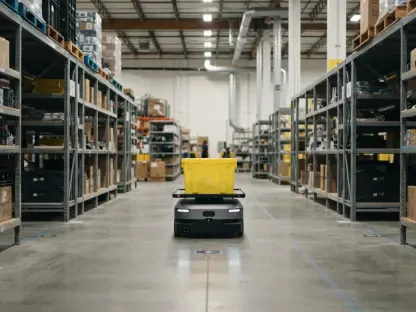
Despite the rapid digital growth of TikTok Shop, its ultimate success depends on mastering the unglamorous and physically demanding world of logistics. Traditional e-commerce dominance is built on a foundation of warehousing, inventory management, and last-mile delivery networks that take years to refine. Shopee and Lazada have spent over a decade building proprietary logistics systems that ensure reliable delivery times and low shipping costs, even in the most geographically fragmented parts of Southeast Asia. TikTok, by contrast, is still in the process of scaling its physical footprint. While its digital recommendation engine is world-class, its long-term survival depends on whether it can match the logistical efficiency and reliability that consumers have come to expect from established giants.
To compete effectively, TikTok must move beyond simple third-party partnerships and invest in deep infrastructure that supports the “repurchase habit.” High-intent shopping relies heavily on the assurance that a product will arrive as described and on schedule. This requires a robust system of quality control, transparent tracking, and efficient return processing—features that are far more difficult to execute than a viral video campaign. The standalone app addresses these requirements by integrating improved order management and customer service tools, but the physical reality of the supply chain remains a significant hurdle. If TikTok fails to bridge the gap in delivery performance, its digital innovation will not be enough to overcome the logistical moat that Shopee has built. The platform’s ability to innovate in warehousing and last-mile efficiency will likely be the deciding factor in whether it can truly topple current market leaders.
Strategies for Building Consumer Trust
Trust serves as the most critical currency in the e-commerce landscape, especially as platforms move from selling low-cost impulse items to high-value electronics and luxury goods. TikTok Shop faces the ongoing challenge of transforming its image from a source of viral trends into a serious, dependable retail destination. To achieve this, the platform must implement rigorous merchant verification processes, transparent pricing structures, and authentic review systems that can withstand the scrutiny of a sophisticated consumer base. The standalone app focuses heavily on these trust-building markers, prominently displaying 24/7 customer support options and enhanced buyer protection programs. These features are designed to mitigate the perceived risks associated with social commerce, where concerns about product authenticity and seller reliability have historically been more prevalent.
Cultivating long-term loyalty also requires a commitment to customer service that extends beyond the initial transaction. Traditional marketplaces like Shopee have set high standards for dispute resolution and return policies, creating a sense of security that encourages repeat business. TikTok Shop is actively working to match these standards by refining its merchant policies and penalizing sellers who fail to meet quality benchmarks. By fostering an environment where consumer rights are prioritized and feedback is taken seriously, the platform can successfully shift the perception of its marketplace from a place for “discovery” to a place for “investment.” If TikTok can prove its shopping experience is as safe and reliable as its competitors, it will convert casual viewers into dedicated customers who feel comfortable making significant purchases through the platform, thereby solidifying its position as a true e-commerce heavyweight.
The Future of Digital Retail Integration
The battle for Southeast Asian e-commerce is rapidly evolving into a race toward total retail integration, where the distinctions between searching, browsing, and buying have completely disappeared. For TikTok Shop to maintain its momentum and eventually unseat Shopee, the platform must prioritize enhancing its search algorithms to provide the same level of accuracy and comparison capability found on traditional sites. Merchants are encouraged to list exclusive products on the “shelf” interface to drive search-based traffic, while logistics partnerships must be expanded to ensure delivery speeds remain competitive across diverse geographical regions. This multi-front strategy aims to reward repeat purchases through loyalty programs that move beyond the one-time impulse model, ensuring a stable revenue stream that is not entirely dependent on the fluctuating viral trends of the social feed.
Analysis shows that the success of this transition depends heavily on TikTok’s ability to master the physical supply chain and cultivate deep consumer trust. While the digital engagement of the social platform provides a massive initial advantage, the long-term survival of the standalone shop relies on price competitiveness and logistical reliability. As the lines between content and commerce continue to blur, the platform that best balances entertainment with functional utility will emerge as the leader. Ultimately, TikTok’s strategic pivot is a high-stakes bet on reprogramming global shopping habits. By providing a dedicated space for high-intent traffic, the company moves closer to its goal of becoming a global retail superpower, provided it continues to invest in the unglamorous infrastructure that defined the success of its more traditional rivals.