
The traditional divide between digital storefronts and physical retail locations has dissolved into a single, complex ecosystem where the speed of data transmission defines the success of modern footwear brands. As consumer expectations gravitate toward instantaneous availability and hyper-local fulfillment, established market players are finding that their survival depends on the total synchronization of their physical and digital assets. This industry report analyzes how a prominent footwear retailer successfully modernized its operations, moving from a fragmented legacy architecture to a unified commerce environment in an exceptionally short timeframe.
The footwear industry is currently navigating a period of profound transformation where the store floor acts as a multi-functional hub. In the current market of 2026, the success of a brand is no longer measured solely by the volume of foot traffic but by the fluidity with which inventory moves between online carts and physical registers. For a family-owned enterprise operating dozens of locations, this requires a level of technological agility that traditional enterprise resource planning systems simply cannot provide. The migration of twenty-seven locations and over two hundred associates in just fourteen days demonstrates that rapid digital transformation is a matter of strategic planning rather than just software installation.
The Evolution of the Omnichannel Footwear Retail Landscape
The global footwear industry is undergoing a significant shift as traditional brick-and-mortar retailers transition into integrated omnichannel entities. Modern consumers demand a seamless experience where digital research and physical availability are perfectly synchronized. This evolution is driven by the need for real-time inventory visibility and the ability to fulfill orders from any location within a retail network. To stay competitive, established market players are increasingly moving away from isolated legacy systems in favor of cloud-based platforms.
These technological influences allow retailers to manage complex logistics while navigating regional regulations and shifting market demands. The significance of this transition lies in the ability to bridge the gap between back-office stockrooms and digital storefronts. Established players that fail to synchronize these channels risk losing relevance in a market that prioritizes speed and accuracy above all else. Consequently, the modernization of point-of-sale systems has become the cornerstone of retail strategy for businesses managing distributed inventory across wide geographical areas.
Strategic Shifts and Growth Projections in Retail Integration
Emerging Trends in Distributed Inventory and Agile Commerce
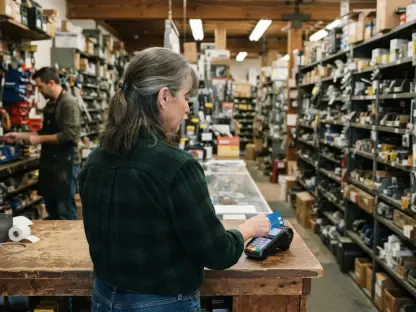
Retailers are moving toward distributed inventory models to maximize the utility of their physical footprint. By turning retail floors into mini-distribution centers, brands can decrease shipping times and increase stock turnover. This is particularly relevant for retailers that hold the vast majority of their stock on the sales floor rather than in centralized warehouses. This trend is supported by the adoption of intuitive point-of-sale systems and AI-driven analytics that allow for rapid decision-making at the store level.
The shift toward agile commerce also involves empowering store associates with tools that require minimal training but provide maximum data accessibility. In a labor market characterized by high turnover and seasonal fluctuations, the ability to onboard new staff within hours rather than days is a critical competitive advantage. Moreover, the integration of mobile hardware allows staff to assist customers anywhere on the floor, effectively blurring the lines between browsing and purchasing.
Market Data and Performance Indicators for Cloud-Based POS
Growth projections for the retail technology sector indicate a strong preference for unified commerce platforms. Data suggests that businesses integrating their physical and digital sales channels see significant improvements in operational efficiency and customer retention. Forward-looking forecasts for the period from 2026 to 2028 suggest that the ability to synchronize location-level data will be the primary performance indicator for successful mid-to-large-scale retailers.
Standardized performance metrics now include stock velocity and the reduction of manual data reconciliation hours. Retailers utilizing unified platforms have reported a substantial decrease in administrative overhead, as head-office teams no longer need to export and clean data from disparate sources. The market is also seeing a rise in the use of specialized middleware to connect legacy accounting software with modern front-end platforms, ensuring that financial records remain accurate while customer interactions remain fast.
Overcoming Technical Bottlenecks and Data Silos
The primary obstacle facing long-standing retailers is the presence of fragmented data environments. Legacy Enterprise Resource Planning systems often fail to communicate granular, location-specific inventory data, leading to pooled stock figures that hinder e-commerce fulfillment. When a website cannot distinguish which specific store holds a pair of shoes, the logistics of local pickup and ship-from-store become prohibitively complex. To overcome these complexities, companies must implement middleware solutions that act as a bridge between specialized legacy planning tools and modern customer-facing platforms.
Another significant challenge is the human element of digital transformation. Migrating dozens of locations and hundreds of associates requires a strategy that balances technical deployment with comprehensive staff training. Successful strategies involve phased rollouts and regional workshops to ensure that the transition does not disrupt the daily customer experience. By documenting policies and creating clear operational roadmaps, a retailer can convert multiple sites daily without overwhelming the central support team or regional managers.
Navigating the Regulatory and Compliance Environment
As retail operations become increasingly digital, compliance with data protection laws and financial security standards becomes paramount. The integration of unified payment systems requires adherence to strict industry standards to ensure customer transactions are secure across all touchpoints. This involves moving away from decentralized payment terminals that require manual reconciliation and toward integrated solutions that encrypt data from the moment of the swipe to the final bank deposit.
Retailers must also consider the role of cloud security and the implications of storing sensitive customer information in centralized databases. Maintaining compliance with regional privacy regulations ensures that the unification of customer records, which is essential for modern marketing, is conducted ethically and transparently. This shift toward a single customer view allows for better loyalty program management while simultaneously simplifying the auditing processes required by financial regulators.
The Future of Retail: AI Integration and Fulfillment Innovation
The industry is moving toward a future defined by hyper-personalization and automated logistics. Emerging technologies, such as AI-driven assistants, are enabling lean administrative teams to query complex sales data instantly, identifying trends and stock gaps without manual exports. This accessibility allows for more agile inventory redistribution and targeted marketing efforts that respond to real-time sales velocity rather than historical reports.
Future growth areas will likely focus on refining ship-from-store capabilities and exploring advanced fulfillment options like same-day delivery. As consumer preferences continue to lean toward speed and convenience, retailers that have established a unified digital foundation will be best positioned to adopt market-disrupting innovations. The integration of real-time traffic data with inventory levels will allow for even more precise staffing and stock replenishment strategies.
Strategic Recommendations for Sustainable Retail Growth
The successful migration to a unified platform demonstrated that rapid digital transformation is achievable through meticulous planning and the right partnerships. By eliminating data silos and centralizing inventory management, the retailer maximized stock velocity and enhanced the associate experience through simplified onboarding. The project was completed with a focus on location-level transparency, which proved vital for an omnichannel model where the store floor served as a primary distribution point.
For long-term success, it is recommended that retailers prioritize investments in scalable middleware to support legacy systems while embracing cloud-based interfaces for daily operations. This approach ensures that the business remains agile and capable of meeting the demands of the modern consumer while maintaining the core values that built the brand. The transition ultimately provided a single source of truth for inventory and customer data, which prepared the organization for future innovations in automated logistics and personalized engagement. Strategies that emphasized administrative efficiency and real-time data access were shown to be the most effective in securing a dominant market position.