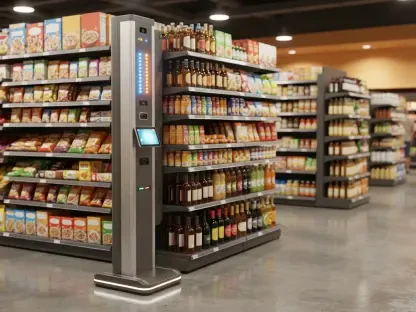

Radio frequency identification systems are becoming essential tools for maintaining near-perfect stock visibility and reducing instances of phantom inventory in stores. In the current retail climate of 2026, the Asia-Pacific region has emerged as a primary engine of global innovation, transforming

The rapid metamorphosis of retail theft from localized shoplifting into a multi-billion-dollar systemic supply chain crisis has forced organizations to rethink traditional loss prevention strategies. As these networks become increasingly sophisticated, the battleground has shifted from the

The sudden evaporation of nearly one-tenth of a company’s market value in a single afternoon often signals a fundamental shift in how investors perceive the underlying strength of a retail titan. On Friday, August 14, 2026, Dillard’s Inc. (DDS) witnessed this reality firsthand as its shares

The loss of more than 100,000 jobs to AI-related layoffs in early 2026 has created a climate of fear that hinders organizational growth and innovation. This pervasive anxiety among retail workforces often results in resistance to new technology, yet the shift from experimental AI pilots to

Manual spreadsheet-based tracking often results in inventory teams wasting up to 16 hours per week just trying to sync data across disconnected systems. In the current retail environment of 2026, where consumer demand fluctuates across multiple digital and physical touchpoints, relying on static

The emergence of all-inclusive subscription models is beginning to challenge traditional high-cost migration norms by bundling storefront recreation and data transfer into monthly fees. In the current retail climate from 2026 to 2028, businesses are frequently confronted with the reality that