
The traditional gap between product discovery and dispatch has effectively vanished as 51% of Mexican users now seek specific product information directly on social platforms. This radical shift has turned social media apps into the primary point of entry for the modern consumer, displacing search engines and traditional storefronts. In the current landscape of 2026, the Mexican retail market is experiencing a realignment where digital content creators act as the new storefront windows. This evolution is not merely about changing where people buy, but how they interact with brands on a psychological level. The immediacy of social engagement means that promotional cycles are no longer dictated by months-long planning but by the real-time velocity of online trends. Consequently, logistics networks are forced to adapt to a reality where consumer demand is fragmented yet intensely concentrated. The emergence of native checkout systems within social apps has created a frictionless pipeline for buyers that requires an equally fluid supply chain response.
The Explosive Growth of Social Platforms
Record-Breaking Growth: The Surge in Merchant Activity
The sheer scale of this digital transformation is best captured by the 95.9% year-over-year growth in order fulfillment currently handled by logistics leaders like Melonn across the Mexican territory. Since the regional launch of TikTok Shop, the platform has witnessed its average daily sales volume surge by a factor of 34, a testament to the power of integrating entertainment with commercial functionality. This growth is sustained by tens of thousands of active content creators who serve as decentralized marketing departments for brands of all sizes. In this high-velocity retail model, individual merchants are frequently moving tens of thousands of units per month, a volume that previously required significant brick-and-mortar presence or massive advertising budgets. This surge is not limited to established giants; small and medium enterprises are leveraging these social tools to achieve national reach almost overnight. The result is a more competitive marketplace where the speed of fulfillment determines brand loyalty.
Compressed Journeys: Merging Discovery with Acquisition
By integrating the discovery and transaction phases into a single digital experience, this new retail paradigm effectively compresses the traditional shopping journey into a matter of seconds. Unlike the conventional e-commerce model where shoppers might spend hours researching products across various comparison sites, social commerce utilizes live-streaming and short-form video to trigger immediate purchases. For the average Mexican consumer, the cognitive load associated with making a purchase has been significantly reduced by the trust established with creators and the convenience of one-tap payments. This seamless transition from entertainment to acquisition has led to a massive influx of daily orders that traditional supply chains were never designed to handle. The logistical challenge now lies in managing these micro-moments of high-intensity demand that occur simultaneously across thousands of lines. For retailers, the focus has shifted from driving traffic to a website to ensuring stock is ready for the moment it appears.
Redefining Logistics Infrastructure
The TikTok Effect: Disrupting Category Logistics
The phenomenon known as the TikTok effect has fundamentally disrupted specific consumer categories, most notably the beauty and personal care sectors, where digital orders have expanded at rates far exceeding the broader market average. This shift has necessitated a move away from predictable, calendar-based logistics toward a much more reactive and agile operational model. In the past, logistics providers could rely on historical data to prepare for scheduled annual sales events like El Buen Fin, but the current environment requires managing unannounced spikes in demand triggered by viral content. A single five-second video can now generate a wave of orders that rivals a holiday weekend, requiring total inventory visibility and extreme staffing flexibility. To survive, warehouses must now operate with a high degree of modularity, allowing them to scale operations up or down within hours. This level of responsiveness is the new baseline for success in a market where trends can ignite and extinguish with incredible speed.
Technological Backbones: Building Scalable Infrastructure
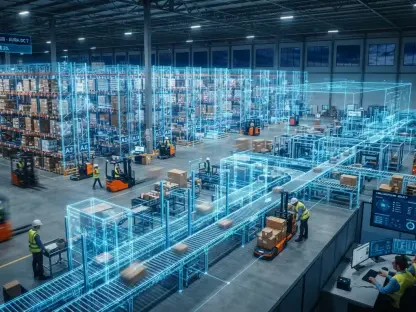
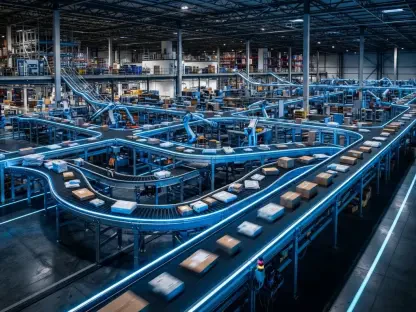
Supporting this massive growth requires a sophisticated technological backbone capable of processing millions of individual items every month with near-perfect accuracy. Advanced fulfillment platforms are now essential to coordinate the complex web of storage, picking, packing, and final delivery, ensuring that the physical supply chain matches the speed of social media trends. As the Mexican retail infrastructure continues to mature in 2026, the ability to execute high-volume dispatch at the pace of a viral video has become the primary differentiator for successful brands. Logistics companies are investing heavily in automation and real-time data analytics to predict where the next spike might occur. This proactive stance involves placing inventory closer to urban centers like Mexico City and Guadalajara to facilitate same-day delivery. The ultimate goal is to remove any remaining friction from the post-purchase experience, turning a social media interaction into a tangible delivery at the customer doorstep within hours.
Strategic Imperatives: Navigating the Intersection of Culture and Commerce
Retailers that thrived in this new environment transitioned toward a truly decentralized fulfillment strategy that prioritized local inventory placement and diverse delivery partnerships. These organizations successfully integrated their digital sales channels directly with warehouse management systems to ensure that live inventory levels reflected reality on social platforms in real-time. This integration prevented the frequent pitfall of overselling during viral events, which historically damaged brand reputation during the early stages of social commerce expansion. Furthermore, the implementation of micro-fulfillment centers in densely populated regions allowed brands to meet the heightened expectations for speed that characterized the modern Mexican consumer. The industry eventually focused on leveraging artificial intelligence to refine demand forecasting, even within a market often driven by unpredictable social movements. Ultimately, the synergy between predictive analytics and flexible fulfillment became the definitive solution for retail challenges.