
Unified commerce represents the sophisticated strategic integration of all retail sales channels, including online storefronts, mobile applications, and physical locations, into a single centralized platform that functions as the nervous system of a modern business enterprise. This operational model eliminates the systemic data silos that frequently result in inventory inaccuracies, lost sales opportunities, and fragmented customer journeys. By adopting this architectural approach, contemporary retailers can successfully reduce their total cost of ownership by up to 22 percent and recover significant revenue that is otherwise lost to everyday operational inefficiencies. To transform a retail business successfully, one must utilize a modern Point of Sale system alongside a rigorous commitment to data-driven decision-making and automated workflows.
Retail operations encompass the foundational nervous system of any successful merchant, governing the intricate web of daily procedures that allow a store to function efficiently. Research indicates that retailers currently lose approximately 5.5 percent of their gross sales to in-store inefficiencies, which translates to a staggering 162.7 billion dollars in lost revenue annually across the global market. These losses are rarely the result of catastrophic events but are instead caused by uncorrected pricing errors, poorly executed promotions, or inventory bottlenecks. Consequently, the primary objective of modern operations is to enhance the shopping experience while driving down operational costs through precision and the elimination of unglamorous everyday breakdowns.
Implementing Unified Commerce Operations
1. Choose a Method for Integration
Consolidate all disparate sales systems into a single unified commerce platform that serves as the comprehensive link between the online storefront and physical brick-and-mortar locations. This process removes data islands where critical inventory or customer information becomes trapped in separate, uncommunicative software packages. A centralized system ensures that every department works from the same information, which is essential for protecting profit margins and maintaining operational consistency. Moving away from unintegrated software reduces technical friction and allows management to focus on high-level growth rather than troubleshooting connectivity issues between legacy tools. To check the result of this integration, verify that a single administrative dashboard provides a real-time, comprehensive view of all sales transactions, customer loyalty points, and inventory levels across every touchpoint in the retail ecosystem.
2. Prepare the Accounts and Profiles
Migrate existing customer data into a unified Customer Relationship Management system to create holistic profiles that track interactions across the entire business. This allows store staff to access a customer’s entire order history and loyalty status regardless of whether the initial purchase was made online or at a physical register. This level of personalization is a cornerstone of modern service, as evidenced by brands that have seen customer base growth of 900 percent by leveraging unified data. High-quality data cleaning during this migration ensures that duplicate entries do not compromise the accuracy of marketing efforts or service interactions. Ensure the setup is correct by conducting a live test to see if a customer can earn loyalty points through an online transaction and redeem those specific points at a physical register immediately without manual intervention from a manager.
3. Synchronize Inventory Across All Channels
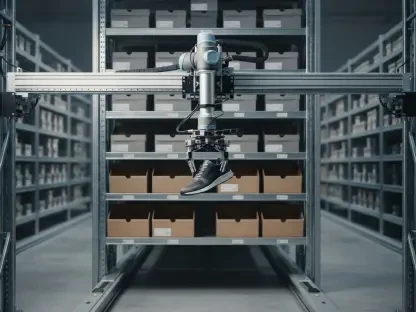
Connect warehouse management systems and physical store shelf data to establish a single source of truth for all stock levels across the organization. This synchronization is critical for preventing phantom inventory, a common problem where an item is listed as available when it has already been sold through a different channel. Effective inventory management involves maintaining optimal stock levels to avoid overstocking, which ties up capital, and stockouts, which directly result in lost sales and diminished customer trust. Real-time data synchronization between digital warehouses and physical shelves allows the system to provide accurate availability information to both customers and staff. Confirm success by checking that inventory turnover and sell-through rates are updated automatically across the entire system immediately following a transaction, reflecting the new stock levels across all platforms.
4. Optimize Payments and Order Processing
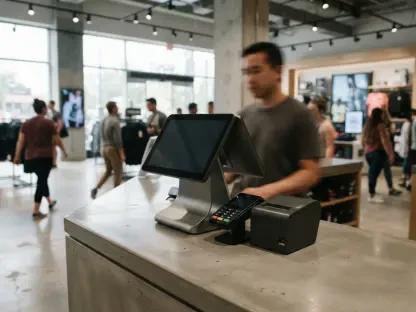
Deploy mobile Point of Sale hardware and Tap to Pay technology to empower staff members to process customer transactions from any location on the sales floor. This operational shift effectively reduces checkout friction and facilitates line busting, which directly addresses the high cart abandonment rates that plague traditional retail environments. By reducing the number of steps or taps required to complete a payment, the business can improve overall throughput and allow employees to spend more time on active sales rather than administrative troubleshooting. Modern checkout experiences also accommodate a wider variety of payment methods, catering to the diverse preferences of the contemporary consumer. Check the result by monitoring if the total number of steps required to complete a transaction has decreased and if staff members are spending a higher percentage of their shift on customer-facing sales tasks.
5. Deploy Hybrid Fulfillment Models
Establish clear operational workflows for modern fulfillment options such as Buy Online, Pick Up In-Store, curbside pickup, and ship-to-store services. These hybrid models cater to the increasing demand for convenience and have been shown to significantly boost revenue by turning physical stores into efficient micro-distribution centers. Implementing these models requires the coordination of store associates who must be trained to handle the logistics of picking, packing, and staging orders for quick pickup. This approach not only increases sales but also drives foot traffic into physical locations where additional impulse purchases often occur. To verify the setup is functioning correctly, perform a test order and ensure that the designated store associate receives an automated fulfillment alert the exact moment an online order is placed by the customer.
6. Automate Supply Chain and Reordering
Configure the unified commerce system to generate automated purchase orders based on predefined low-stock thresholds for every product in the catalog. Automation in the supply chain prevents the common pitfall of manual spreadsheets, which are prone to human error and consume excessive amounts of administrative time. By establishing these automated triggers, the business ensures that it maintains optimal inventory levels and avoids the accumulation of dead capital in the form of unsold stock. This proactive approach to restocking allows management to scrutinize supplier terms and quality control more effectively rather than reacting to emergency stockouts. Verify this automation by checking if the system correctly triggers a restock alert or generates a draft purchase order when a specific item reaches its minimum quantity threshold.
7. Centralize Promotions and Pricing Strategies
Coordinate all pricing structures and discount codes within the unified platform so that they function identically across online and in-person environments. This consistency is vital in an era where approximately 80 percent of consumers express significant concern over inflation and price fluctuations. Centralized pricing ensures that marketing campaigns are executed flawlessly across all channels without requiring manual overrides or causing delays at the physical register. It also allows the management team to perform more accurate competitor analysis and adjust prices globally in response to market shifts. Check the result by applying a promotional code at a physical register and confirming that it matches the online discount exactly without the need for staff to manually adjust the transaction total or look up external documentation.
8. Enhance Store Safety and Security
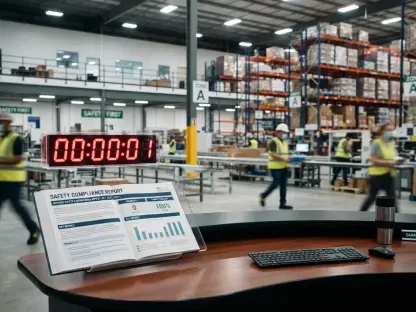
Implement a combination of digital security measures, such as unique staff identification numbers and specific permissions within the Point of Sale system, alongside physical surveillance. These protocols protect the business against internal fraud and unauthorized data access while ensuring that opening and closing procedures remain consistent across all locations. Digital security also includes protecting customer payment data and ensuring compliance with modern privacy standards. Procedural security, such as consistent checklists for cash reconciliation, further reduces the risk of administrative errors that can lead to financial discrepancies. To check the result of these security enhancements, review the current shrinkage rate and audit logs to ensure that every transaction and system change is tied to a specific, authorized member of the personnel.
9. Monitor Financial Forecasting and Metrics
Utilize artificial intelligence tools embedded within the unified platform to analyze the Gross Margin Return on Investment and forecast future consumer demand. This shift toward quantitative data allows the business to move away from gut feelings and instead make decisions based on labor hour requirements and supplier performance metrics. Scrutinizing every expense through real-time data ensures that the business is maximizing its profit margins in an increasingly competitive landscape. Monitoring days inventory on hand and sell-through rates provides a clear picture of which products are driving growth and which are draining resources. Confirm the effectiveness of this monitoring by reviewing monthly financial reports to see if the actual inventory turnover and profit margins align with the predefined growth targets for the current fiscal period.
Steps Recap
- Choose a Method for Integration
- Prepare the Accounts and Profiles
- Synchronize Inventory Across All Channels
- Optimize Payments and Order Processing
- Deploy Hybrid Fulfillment Models
- Automate Supply Chain and Reordering
- Centralize Promotions and Pricing Strategies
- Enhance Store Safety and Security
- Monitor Financial Forecasting and Metrics
Final Advice for Retail Success
To sustain the long-term benefits of a unified commerce transformation, it is highly recommended to hire a dedicated Retail Operations Manager who can oversee the daily machinery of the business. This specialist should focus on training the staff on standard operating procedures and continuously evaluating new retail technologies as they emerge in the market. The human element remains the glue that holds the technological infrastructure together, making structured onboarding and clear documentation essential for reducing the impact of employee turnover. Always prioritize the customer experience by turning potential losses, such as product returns, into opportunities for exchanges or new sales through Buy Online, Return In-Store policies. These policies not only increase customer satisfaction but also provide an opportunity for store associates to interact with shoppers and suggest alternative products. By treating retail operations as a strategic discipline rather than a list of chores, a merchant can build a resilient infrastructure capable of thriving in any market condition. The transition to a unified commerce model is the most significant step a business can take to ensure its long-term viability and growth in the modern marketplace. Consistent monitoring of key performance indicators, such as the Gross Margin Return on Investment and inventory turnover rate, will provide the necessary insights to refine operations continually. As the retail landscape continues to evolve between 2026 and 2028, the ability to blend physical and digital experiences into a single cohesive unit will remain the primary competitive advantage for successful merchants. Focus on maintaining data integrity and automation to free up human staff for high-value interactions that drive brand loyalty and repeatable revenue. Professional management of these nine pillars of retail operations ensures that the business remains profitable, secure, and prepared for future expansion.