
The strategic transformation of Nuuly’s fulfillment operations is designed to create a scalable network capable of servicing twice its current capacity. As the demand for circular fashion continues to rise, traditional warehouse methods have become insufficient for managing the complex requirements of high-volume garment rentals. By integrating sophisticated automation at its primary fulfillment centers, the company has moved beyond manual sorting to a system that prioritizes speed and precision. This shift is particularly evident in the deployment of state-of-the-art facilities that serve as the backbone for its subscription model, allowing for a seamless transition between incoming returns and outgoing orders. The investment represents a significant commitment to overcoming the logistical hurdles inherent in the rental industry, such as the need for rapid turnaround and rigorous quality inspections. By reimagining the physical footprint of its distribution network, the organization has effectively positioned itself to capture a larger share of the apparel market while maintaining the high service standards that modern consumers have come to expect.
Technological Integration: The Role of Automated Material Handling
At the heart of this expansion lies the implementation of the FlashPick system, a smart “goods-to-person” solution that streamlines the entire order fulfillment process. This technology utilizes autonomous rovers and advanced robotics to navigate massive storage grids, retrieving specific items with surgical accuracy. By automating the picking phase, the facility can now process thousands of units per hour, a feat that would have required a much larger workforce and significantly more floor space under previous operational models. The system is designed to handle the unique variability of a rental inventory, where individual items constantly cycle in and out of the warehouse. This level of automation ensures that the time between a customer selecting a garment online and that garment being prepared for shipment is minimized. Furthermore, the integration of smart sensors and real-time tracking provides a granular view of inventory levels, reducing the likelihood of stockouts and ensuring that every item is accounted for throughout its journey.
Beyond simple retrieval, the automation suite includes specialized stations where human workers interact with robotic systems to finalize shipments. This hybrid approach leverages the strengths of both machine efficiency and human judgment, particularly in the final stages of packaging and quality assurance. The ergonomic design of these workstations reduces physical strain on employees, allowing for a more sustainable labor model as the company grows its footprint. As the machinery handles the heavy lifting and repetitive movements, staff members can focus on more nuanced tasks, such as ensuring that every rental box meets the brand’s aesthetic and quality guidelines. This synchronization between hardware and personnel has resulted in a marked decrease in processing errors, which is critical for maintaining customer loyalty in a competitive market. By investing in these scalable robotic solutions, the brand has created a blueprint for future distribution centers that can be replicated as geographic demand shifts, ensuring that the logistics network remains agile.
Strategic Scaling: Regionalization and Sustainable Distribution
Managing a rental business requires a reverse logistics strategy that is far more complex than that of a traditional retailer. Every returned item must undergo a rigorous sequence of cleaning, sanitization, and repair before it can be listed as available for the next subscriber. To address this, the brand has incorporated automated sorting conveyors that direct incoming packages to specific processing zones based on the garment’s fabric type and required care. High-tech laundry and dry-cleaning systems are integrated directly into the workflow, utilizing sensors to monitor chemical levels and water usage for maximum efficiency. This specialized infrastructure allows the facility to process tens of thousands of garments daily, ensuring that inventory does not sit idle for longer than necessary. By accelerating the cleaning cycle through automation, the company increases the utilization rate of each item, directly impacting the profitability of the rental model. The ability to quickly return a piece to “like-new” condition is the primary driver of customer satisfaction and success.
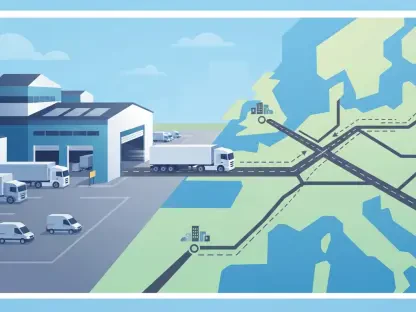
The evolution of the fulfillment strategy focused on creating a regionalized network that brought inventory closer to the end consumer. Between the periods of 2026 and 2028, the focus shifted toward establishing satellite hubs that utilized the same automated blueprints developed for the primary centers. These smaller, more localized facilities allowed for faster delivery times and a reduced carbon footprint, as garments traveled shorter distances during the shipping and return phases. Management successfully implemented a multi-node distribution strategy that balanced the high-capacity output of the central warehouse with the speed and flexibility of regional nodes. This transition required a significant upfront investment in both hardware and software, but it ultimately provided the resilience needed to handle seasonal spikes in demand and potential supply chain disruptions. By prioritizing local fulfillment, the organization was able to maintain a high level of service even as the subscriber base expanded into new geographic markets. This approach solidified the business.