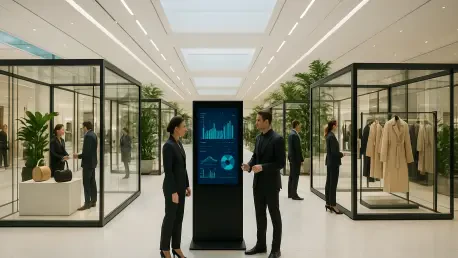

The sight of deep clearance racks stretching across hollowed-out department stores provides more than just a seasonal aesthetic; it signals the structural collapse of a century-old logic that once defined the heart of global commerce. In 2026, the retail industry stands at a definitive crossroads where the traditional merchant model, characterized by speculative inventory acquisition and high-risk forecasting, no longer aligns with the hyper-fluid nature of consumer demand. This transformation is not merely a shift toward digital storefronts but a complete re-engineering of how physical space is valued and utilized within the broader commercial ecosystem. Rather than acting as primary purchasers of goods, modern retailers are increasingly pivoting toward platform-based strategies that emphasize agile movement and partnership over the static ownership of products.
This evolution is particularly evident in the way major market players have begun to dismantle their inventory-heavy structures in favor of experience curation. Digital transformation has progressed far beyond simple e-commerce integration; it now dictates the operational heartbeat of the physical store through real-time data loops and decentralized supply chains. Major global players are no longer competing solely on the breadth of their assortments but on the efficiency of their ecosystems, where the store functions as a node in a complex network of fulfillment and brand storytelling. This regulatory and operational shift is forcing a departure from the “stack them high and watch them fly” mentality of the twentieth century toward a more nuanced approach where the retailer serves as a sophisticated host for third-party brands.
Current store operations are being reshaped by a regulatory environment that increasingly scrutinizes supply chain ethics and data privacy, adding layers of complexity to the merchant’s task. As the industry navigates these waters, the focus has shifted from the logistics of moving boxes to the management of relationships and the orchestration of consumer experiences. This transition marks the end of the merchant as a gambler on trends and the birth of the retailer as a platform architect. The agility required to survive in 2026 demands a framework that can absorb sudden market shocks without the anchor of unsold inventory weighing down the balance sheet.
The Great Retail Transformation: From Speculative Buying to Experience Curation
The industry is currently witnessing a massive departure from the speculative buying cycles that once dictated the retail calendar. In the past, a merchant’s success was determined by their ability to predict, six to nine months in advance, exactly what colors, sizes, and styles would resonate with a diverse consumer base. In 2026, this level of guesswork has become a financial liability that few organizations can afford to carry. The move toward experience curation means that the physical footprint of a brand is no longer just a point of sale; it is a point of engagement, a showroom, and a fulfillment hub all wrapped into one, requiring a different set of financial and operational metrics to define success.
Platform-based strategies are allowing retailers to offload the traditional risks of ownership while maintaining high levels of foot traffic and brand relevance. By opening their floor space to brand-led boutiques and “store-in-store” concepts, retailers are transforming their fixed real estate into dynamic marketplaces. This shift is influenced by the rise of a more discerning consumer who values brand authenticity and specialized knowledge over the generic service often found in traditional department stores. Consequently, the role of the retailer has moved from the center of the transaction to the curator of the environment, ensuring that the mix of brands and the quality of the physical space remain high enough to justify a physical visit.
The influence of digital transformation in this era cannot be overstated, as it provides the infrastructure necessary to manage these complex, multi-brand environments. Advanced software now allows for seamless revenue sharing and real-time inventory visibility across different ownership models within a single physical store. This technological backbone enables retailers to act as sophisticated landlords who provide the stage, the audience, and the data, while the brands provide the inventory and the direct consumer connection. This regulatory and technological alignment is creating a more resilient retail sector that is less prone to the boom-and-bust cycles of the traditional fashion and consumer electronics calendars.
Decoding the Crisis and Projecting the Retail Renaissance
The Velocity of Change and the Fragility of Traditional Merchandising
The primary trend affecting the industry today is the extreme shortening of product lifecycles, driven largely by the viral nature of social media demand. A product can move from obscurity to global obsession and back to irrelevance within a matter of weeks, a timeline that traditional merchandising cycles simply cannot accommodate. This velocity has exposed the fragility of the “Wheel of Retailing,” where the slow-moving, high-margin traditionalists are being bypassed by agile platforms that do not own the stock they sell. The risk of being stuck with thousands of units of a “yesterday” trend has forced a fundamental rethink of how products are sourced and committed to.
Emerging technologies like AI-driven forecasting are attempting to solve this, but even the most advanced algorithms struggle with the chaotic nature of human desire in a hyper-connected world. Consumer behaviors have also shifted toward a demand for transparency and sustainability, meaning that the hidden inefficiencies of the merchant model—such as the massive carbon footprint of unsold goods being liquidated or destroyed—are no longer socially or politically acceptable. This market driver is forcing a departure from the traditional model toward a more “pull” based system, where production is closely aligned with confirmed demand rather than hopeful projections.
The fragility of the old way of doing business is most visible in the mid-market segment, where retailers lack the scale of global giants and the nimbleness of boutique platforms. These organizations are caught in a pincer movement between high fixed costs and volatile revenue, leading to a permanent state of crisis management. To survive, these entities must transition away from being the final owners of the goods they sell. The market is increasingly rewarding those who can provide a curated, high-service environment without the financial drag of an inventory-heavy balance sheet, marking a significant departure from the historical standards of retail performance.
Measuring the Shift: Market Indicators and Performance Benchmarks
Market data from 2026 shows a stark divergence between traditional retailers and those who have adopted adaptive, platform-based frameworks. While store closures among traditional department stores and big-box retailers continue to dominate the headlines, new openings in the “store-in-store” and curated marketplace sector are growing at a steady rate. Performance benchmarks are shifting away from simple “sales per square foot” to more complex metrics like “ecosystem value” and “customer lifetime value,” reflecting the reality that a physical store visit might result in a digital purchase later. The margin performance of retailers who have shifted to agency models is showing much higher stability, as they are no longer subject to the deep markdowns required to clear excess stock.
From 2026 to 2028, the industry is projected to see a forty percent increase in the percentage of retail revenue derived from platform-based and agency streams rather than traditional wholesale. This shift represents a fundamental restructuring of the retail profit and loss statement, where the focus moves from gross margin on goods sold to service fees, data monetization, and real estate optimization. The “store-in-store” sector, in particular, is forecasted to become the dominant format for high-end and specialty retail, as brands seek more control over their physical representation without the overhead of independent flagship stores.
This forward-looking perspective suggests that the transition is not a temporary reaction to economic pressure but a permanent structural change. Forecasts indicate that by the end of the current three-year cycle, the most successful physical retailers will operate more like digital marketplaces, with a highly curated and rotating selection of brands that manage their own inventory. Margin performance indicators will likely stabilize as the “race to the bottom” on pricing is mitigated by the brands themselves, who have a vested interest in maintaining their price integrity across all channels. This period of the retail renaissance is characterized by a more sustainable, data-informed, and less speculative approach to commerce.
Overcoming the Structural Fragility of the Inventory Bet
The central obstacle facing modern retail management is the inherent misalignment of risk when a retailer takes full ownership of inventory. This “inventory bet” often leads to a cycle of margin erosion, where retailers are forced into constant markdowns just to maintain liquidity and clear floor space for the next season. The technological and market-driven challenges in inventory management have become so complex that localized sourcing and delayed commitment are no longer optional strategies; they are requirements for survival. By delaying the final commitment to specific styles and quantities, retailers can mitigate their financial exposure to the unpredictable shifts in consumer preference that define the current era.
Addressing this structural fragility requires a shift in how supply chains are organized, moving away from distant, low-cost manufacturing toward closer, high-agility production. Localized sourcing allows for a much tighter feedback loop between what is selling on the floor and what is being produced in the factory. While the per-unit cost may be higher, the overall financial health of the retailer is improved through the reduction of markdowns and the elimination of the “race to the bottom” pricing strategies that devalue the brand. This strategy of delayed commitment allows the retailer to remain responsive to real-time data, ensuring that the floor space is always occupied by products that the customer actually wants to buy today.
Furthermore, the complexities of managing a modern inventory are being addressed through shared risk models between retailers and their brand partners. In these arrangements, the financial burden of unsold stock is shared or entirely assumed by the brand, which often has better data and more incentive to manage the product’s lifecycle effectively. This alignment of interest reduces the friction between the buyer and the seller, creating a more collaborative environment where the focus is on maximizing the full-price sell-through rather than just moving units. Overcoming the fragility of the inventory bet is ultimately about moving from a confrontational relationship with risk to a collaborative one.
Navigating the Governance of Modern Retail Ecosystems
As retailers transition into platform architects, the regulatory landscape is becoming increasingly focused on data governance and consumer protection. In an omnichannel environment where third-party sellers are integrated into a retailer’s platform, the question of who owns the customer data and who is responsible for the fulfillment experience becomes a major legal and compliance issue. Standards for data governance are being elevated to ensure that sensitive consumer information is protected as it moves between the retailer, the brand partner, and various logistics providers. Compliance in platform retailing is no longer just about meeting local safety codes; it is about managing a complex web of digital and physical interactions that must remain secure and transparent.
The legal implications of the “agency model” also require careful navigation, particularly regarding how revenue is recognized and how taxes are applied across different jurisdictions. In an agency setup, the retailer may never technically own the goods, which changes their liability in cases of product failure or consumer disputes. Ensuring that all participants in the platform ecosystem adhere to the same standards of consumer protection is critical for maintaining the retailer’s brand reputation. Shared data security measures are being implemented to prevent breaches that could compromise the entire platform, making cybersecurity a core pillar of modern retail governance.
Moreover, the governance of these ecosystems must account for the ethical and environmental standards of all third-party sellers. Retailers are increasingly being held accountable for the actions of the brands they host, requiring a robust system of audits and compliance checks to ensure that the platform does not become a gateway for unethical products. This level of oversight is necessary to meet the transparency demands of the modern consumer, who expects the retailer to act as a guarantor of quality and ethics. Navigating this governance landscape is a prerequisite for building a trustworthy and sustainable platform that can thrive in the long term.
The Rise of the Platform Architect and AI-Driven Commerce
The evolution of the retail buyer into a strategic platform architect represents one of the most significant shifts in professional roles within the industry. No longer tasked with simply picking the next “hot” item, the buyer of 2026 is an ecosystem manager who focuses on the strategic alignment of brands, the flow of data, and the overall health of the retail environment. This role requires a deep understanding of market dynamics, brand positioning, and technological integration, as the objective is to create a cohesive and compelling physical marketplace that offers something a digital screen cannot. The buyer-as-architect decides which brands earn a place on the platform and how they should interact to create a superior consumer experience.
The disruption caused by AI-powered buying agents is further accelerating this trend, as these tools begin to act as personal shoppers for the consumer, making decisions based on complex data sets rather than marketing fluff. For a retailer to remain relevant in a world of AI-driven commerce, their physical space must offer a level of curation and discovery that an algorithm cannot replicate. This is leading to the growth of curated physical marketplaces that prioritize sensory experience, community engagement, and expert service over the sheer volume of bulk inventory. The future of the industry belongs to those who can master the intersection of high-tech efficiency and high-touch human curation.
Looking ahead, the retail environment will likely be characterized by a “marketplace of marketplaces,” where specialized platforms cater to specific lifestyles and values. This shift will see a proliferation of smaller, more focused stores that act as physical outposts for a much larger digital ecosystem. The integration of AI will allow these stores to be hyper-personalized to the local community, ensuring that the assortment and the experience are always in sync with local demand. The rise of the platform architect ensures that the physical store remains a vital part of the commerce journey, acting as the primary touchpoint for brand discovery and emotional connection.
Conclusion: Orchestrating a Resilient Future for Physical Stores
The analysis of the current retail climate revealed that the speculative merchant logic that dominated the past century was no longer viable in a high-velocity, data-driven market. It was observed that organizations that prioritized platform-based frameworks and agile supply chains achieved much greater financial stability than those clinging to traditional inventory-heavy models. The findings indicated that the “race to the bottom” was an avoidable consequence of misaligned risk, and that the transition toward an agency model offered a path to more sustainable margins. Investors and retail leaders who recognized the store as a curated ecosystem rather than a warehouse was able to unlock new value in their physical real estate.
Actionable steps for the coming years involved a heavy investment in the infrastructure of partnership, including advanced data-sharing platforms and flexible store designs that could accommodate rapid brand rotations. The report showed that the successful retailers of the future prioritized the orchestration of brand relationships over the singular pursuit of wholesale discounts. Security and governance standards were upgraded to protect the integrity of the shared data within these new ecosystems, ensuring that consumer trust remained a central pillar of the platform. By adopting these structural innovations, the industry moved toward a model where physical stores functioned as resilient, high-value nodes in a global commerce network.
Ultimately, the future of the industry was built on the foundation of agility and the strategic allocation of risk. Physical stores did not disappear; instead, they evolved into sophisticated marketplaces where the retailer provided the essential platform for brand and consumer interaction. This transition required a complete departure from the merchant as a solo decision-maker and toward the retailer as a collaborative architect of commerce. The outlook for the sector remained positive, provided that the industry continued to embrace the necessity of structural change and the power of curated, technology-enhanced experiences. The era of speculative buying came to an end, giving way to a more stable and innovative era of retail orchestration.