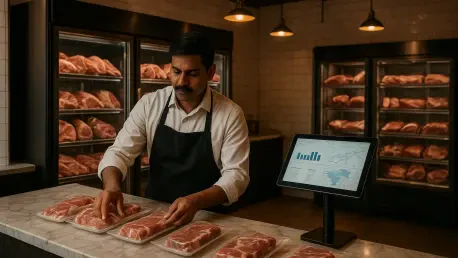
India’s meat sector represents a fifty-five billion dollar opportunity, yet nearly ninety-five percent of this market continues to operate in an unorganized fashion. Traditionally, the industry relied on fragmented wet markets that lacked the consistency and safety protocols modern consumers now

The transition from ephemeral, single-use containers to durable, intelligent assets has redefined the logistics of global trade into a sophisticated ecosystem where every crate functions as a vital data point. This evolution marks a departure from the traditional linear economy, moving toward a
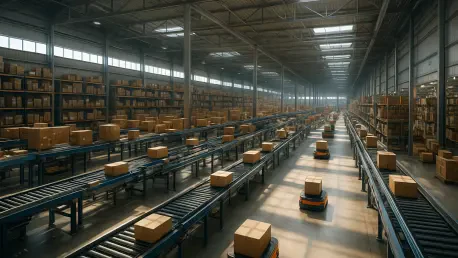
The physical structures that once served as dusty repositories for stagnant inventory have undergone a complete metamorphosis, emerging as the high-tech nerve centers that dictate the pace of global commerce in an increasingly demanding market. This shift reflects a broader evolution in the global

Modern retail success is no longer defined by the lowest price tag or the fastest delivery truck, but by the seamless integration of artificial intelligence and ethical business practices into every stage of the digital shopping journey. As the market reaches a state of maturity in 2026, the
The traditional blue-vested associate navigating crowded aisles is rapidly evolving into a high-tech logistics expert as the physical store transforms into a sophisticated fulfillment node that operates at the speed of digital demand. This shift represents more than a simple update to

Success in the modern retail environment depends on a company’s ability to synchronize global logistics with the unpredictable speed of digital trends and social media influence. Unilever, a global titan in the consumer goods sector, responded to this volatility by orchestrating a massive digital