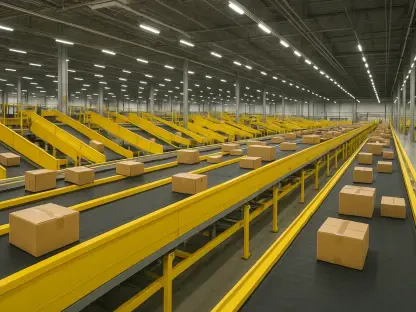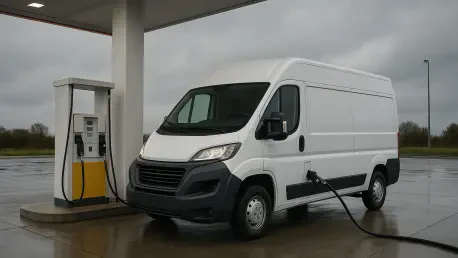

Logistics software platforms like Despatchlab are being utilized to provide high-resolution data visibility to eliminate avoidable expenses during this period of high inflation. This technological intervention comes at a critical juncture as the United Kingdom’s eCommerce sector faces a severe financial strain triggered by unprecedented spikes in fuel prices. Diesel and petrol costs have surged significantly beyond historical averages, creating a highly volatile environment for the intricate logistics networks that underpin the modern online retail industry. Driven largely by ongoing global geopolitical instability, this sudden escalation has fundamentally transformed fuel from a standard, manageable utility into a primary variable cost that now directly threatens the operational stability of the entire national supply chain. As delivery costs climb, the financial burden is no longer just a line item on a balance sheet but a systemic pressure point that forces providers to rethink every aspect of their distribution strategy to survive this period of intense market volatility.
The Financial Impact on Emerging Market Players
Small and medium-sized eCommerce enterprises are currently finding themselves in a particularly precarious position as they lack the deep financial reserves of major global conglomerates. These start-up and scale-up businesses often operate on extremely thin profit margins, meaning that even a marginal increase in transport fees can erase their projected earnings for the entire fiscal quarter. Unlike the retail giants that can negotiate bulk fuel rates or leverage massive internal logistics fleets, smaller merchants are beholden to the pricing tiers of third-party carriers who are themselves passing on the record-high costs of diesel. This vulnerability is compounded by the rising cost of warehousing and fulfillment, which have seen a parallel increase as energy prices drive up the expense of running physical storage sites. Consequently, these businesses are facing a structural threat that goes beyond temporary market fluctuation, necessitating a more aggressive approach to cost management and operational efficiency to remain competitive in an unforgiving landscape.
The core dilemma for these UK merchants lies in the choice between absorbing these climbing transport fees or passing the financial burden onto a price-sensitive consumer base. If a business decides to maintain its current shipping rates to keep customers happy, it risks a slow erosion of its capital and long-term viability, effectively subsidizing the delivery of its own products. Conversely, raising delivery charges or product prices can lead to a sharp and immediate drop in consumer demand, as household budgets are already stretched by broader inflationary trends across the economy. This tension highlights a secondary tax on the movement of goods that effectively cools market growth and reduces the discretionary spending power of the general public. Navigating this landscape requires a delicate balance where merchants must identify every possible shipping inefficiency to protect their margins without alienating the very audience they rely on for growth. This economic pressure acts as a catalyst for a broader rethink of retail pricing and delivery models across the nation.
Diversification through Multi-Carrier Strategies
To combat the rising cost of fuel and the instability it brings, many logistics experts are now advocating for a fundamental shift toward multi-carrier shipping models rather than relying on a single delivery partner. By diversifying their carrier network, businesses can gain access to a wider variety of pricing structures and service levels, allowing them to select the most cost-effective option for every individual package based on its size, weight, and destination. This approach provides a necessary layer of flexibility that prevents a business from being trapped by the price hikes or fuel surcharges of a single provider. Furthermore, a multi-carrier strategy allows for greater redundancy; if one operator experiences a service disruption or a significant price surge, the merchant can seamlessly reroute their volume through another partner. This level of agility is becoming a prerequisite for survival in a logistics market where price stability is no longer guaranteed, turning shipping into a dynamic process rather than a static administrative task.
Another critical component of this evolving resilience strategy is the geographical decentralization of inventory through the use of micro-fulfillment centers. By holding stock in multiple strategic locations across the country, retailers can significantly reduce the total distance a package must travel during the final and most expensive stage of delivery. This reduction in the physical length of the “last-mile” directly translates to lower fuel consumption per order, providing a tangible physical buffer against the high prices found at the pump. Beyond the immediate fuel savings, this localized approach also improves delivery speeds and enhances the overall customer experience, which can help offset any necessary price increases in other areas of the business. Utilizing a network of local warehouses allows companies to bypass the fuel-intensive long-haul transport routes that are currently the most vulnerable to price spikes. As a result, the integration of micro-fulfillment is shifting from a premium service to an essential operational requirement for maintaining a sustainable supply chain.
Data-Driven Optimization and Future Resilience
Sophisticated logistics software and advanced data analytics are rapidly becoming essential tools for identifying and eliminating the hidden inefficiencies that often lurk within traditional fulfillment workflows. These high-resolution platforms provide visibility into every stage of the shipping process, enabling businesses to automate complex routing decisions and strip away unnecessary administrative expenses that might otherwise go unnoticed. In a market environment where fuel costs represent an uncontrollable external variable, optimizing internal operations is the most effective way for a company to protect its bottom line and ensure continued profitability. By leveraging predictive analytics to forecast demand and optimize stock levels, merchants can ensure that they are not wasting resources on excessive transport movements or redundant storage. This data-driven approach allows for the granular management of the entire supply chain, turning raw information into a competitive advantage that can help insulate a business from the broader economic shocks.
The industry recognized that the path forward required a fundamental transition from static supply chain management to a dynamic, technology-first methodology that prioritized real-time agility. Successful organizations moved to integrate their inventory systems with multi-carrier platforms, ensuring that every shipment was optimized for both cost and carbon efficiency. Managers focused on auditing their existing delivery routes to eliminate the “dead mileage” that previously drained financial resources during periods of lower inflation. By adopting a micro-fulfillment strategy, businesses were able to place products closer to the end consumer, which mitigated the impact of volatile diesel prices on the final delivery leg. These collective measures provided a blueprint for long-term viability, demonstrating that the most resilient companies were those that treated logistics as a strategic asset rather than a fixed overhead. The lessons learned during this period of high fuel costs established a new standard for operational excellence that emphasized automation, local stock placement, and carrier flexibility.