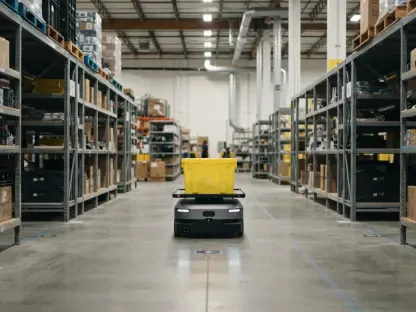

Misplaced items in a fast-moving retail environment often become obsolete if they remain lost until the next semiannual manual audit occurs. For Asics America Corp., managing a facility that spans approximately 855,000 square feet in Byhalia, Mississippi, requires more than just traditional logistics; it demands a level of precision that human staff cannot maintain alone. This central hub currently manages nearly 3 million units of footwear and apparel, supporting a complex omnichannel model that feeds e-commerce, physical stores, and wholesale partners simultaneously. With approximately 44,000 unique stock-keeping units in circulation, the sheer density of products makes frequent manual auditing a logistical impossibility. Previously, the company relied on semiannual cycle counts that often left data discrepancies lingering for months, resulting in missed sales and inventory ghosting. By integrating AI-powered robotics, the facility has transformed how it bridges the gap between digital data and physical inventory, ensuring every pair of shoes is exactly where the warehouse management system says it should be located.
Implementation of Autonomous Drone Technology
How Does the Corvus One System Operate?
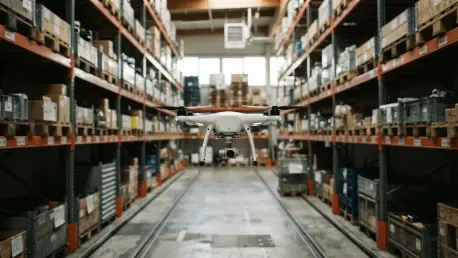
The Corvus One drone distinguishes itself through high-level autonomy, navigating narrow warehouse aisles without the need for magnetic strips, beacons, or external infrastructure. Unlike traditional automated guided vehicles that require expensive facility modifications, these drones utilize onboard AI and computer vision to understand their surroundings in real time. This capability is essential for operating in environments with aisles less than six feet wide, where human-driven equipment often struggles with maneuverability. By employing sophisticated spatial reasoning, the drones can identify and dodge temporary obstacles, such as fallen cartons or stray pallets, ensuring that the mission continues without human intervention. This shift toward self-navigating hardware reduces the initial setup time and allows for a more flexible deployment across different sections of the warehouse. Consequently, the technology serves as a non-intrusive addition to existing workflows rather than a disruptive overhaul of the facility’s physical layout.
The operational timing of these flights is strategically designed to occur during off-peak hours to avoid any potential interference with daily pick-and-pack activities. Starting each evening at 7 p.m., a fleet of drones performs seven scheduled flights across the Byhalia facility to scan universal product codes and count cartons with extreme precision. These missions cover two primary storage zones: the singles area, which houses individual pairs and high volumes of customer returns, and the case reserve area for bulk stock. Throughout the night, the drones traverse the vertical and horizontal planes of the racking systems, capturing high-definition imagery of every bin and pallet. This automated data collection ensures that the inventory record is refreshed daily, a significant improvement over the static data snapshots provided by manual methods. By the time the morning shift begins, the system has already compiled a comprehensive report of the facility’s current state, allowing the management team to start their day with actionable and accurate inventory insights.
What Are the Benefits of Automated Data Collection?
During these nightly missions, the drones capture high-definition imagery and video that are automatically cross-referenced against the warehouse management system to identify inconsistencies. This process creates a digital twin of the physical inventory, allowing inventory managers to review visual data from a desktop the following morning and correct any identified errors remotely. Instead of sending a staff member on a time-consuming trek across the massive warehouse to verify a single bin, the manager can simply look at the high-resolution photo captured by the drone to confirm the carton’s presence. This capability streamlines the reconciliation process and ensures that any data corrections are based on visual proof rather than guesswork. By digitizing the audit trail, the company has effectively eliminated the need for “ghost” searches, where employees waste hours looking for items that are no longer in stock. This level of transparency is critical for maintaining high fulfillment standards in a competitive market.
The strategic impact of this speed is best illustrated by a 60% increase in the recovery rate of misplaced inventory during recent operations. In one three-month pilot period, the drones successfully located 26 misplaced cases containing more than 200 pairs of shoes that would have otherwise remained lost until the next major manual audit. Catching these errors in weeks rather than months is vital for customer satisfaction, particularly when a misplaced item represents the “last pair” of a specific size or model requested by an online shopper. In the past, if a worker could not find a shoe for an order, the transaction had to be canceled, leading to a poor customer experience and immediate revenue loss. Now, the frequent updates provided by drone technology allow the fulfillment team to correct placement errors before an order is even placed. This proactive approach to inventory management has bolstered internal confidence in stock levels and significantly reduced the frequency of order cancellations across all North American digital sales channels.
Strategic Financial and Operational Gains
Why Is Inventory Accuracy Vital for E-commerce?
In the past, inventory uncertainty forced Asics to withhold up to 15% of its total stock from online marketplaces to prevent the risk of overselling misplaced items. This defensive practice, often referred to as an inventory buffer, was a necessary safeguard against the inaccuracies inherent in manual cycle counting. However, this strategy also meant that a significant portion of the company’s catalog remained invisible to potential buyers, resulting in missed opportunities for full-price sales. By maintaining such a large safety net, the organization was effectively capping its own growth potential and limiting its reach on high-traffic marketplace feeds. The lack of real-time visibility created a bottleneck where stock existed in the warehouse but could not be reliably listed for sale. This disconnect between physical availability and digital listings highlighted the urgent need for a more precise auditing solution that could provide the data confidence required to maximize the brand’s online presence without increasing the risk of unfulfillable orders.
With the drone-assisted monthly counts providing precise data, the company has eliminated this buffer and now lists its entire inventory for sale across all digital platforms. This shift allows the brand to capture more full-price sales early in a product’s lifecycle, which is essential for maintaining healthy profit margins. When inventory is managed accurately from the start, there is a significantly reduced need for deep discounts or liquidations of “found” items that were previously buried in the back of the warehouse. This strategy ensures that high-demand products are available when consumer interest is at its peak, rather than being discovered months later when the season has passed. The financial implications are clear: by unlocking the final 15% of its stock, the company has broadened its sales funnel and improved the efficiency of its capital investment in inventory. The transition to a “full-feed” model represents a major milestone in the evolution of the supply chain, moving away from defensive logistics and toward a growth-oriented, data-driven retail strategy.
How Do Drones Improve Workplace Safety and Roles?
The introduction of AI drones has shifted human labor from repetitive, manual cycle counting to high-value roles such as inventory reconciliation and specialized wholesale support. Instead of spending their days walking miles of aisles or manually scanning barcodes at heights, warehouse employees are now tasked with investigating the root causes of inventory discrepancies identified by the drones. This evolution in job descriptions has improved employee engagement, as workers are involved in more analytical and problem-solving tasks rather than monotonous physical labor. Furthermore, the automation of the counting process allows the facility to handle higher volumes of returns and outbound shipments without requiring a proportional increase in the workforce. By letting the robotics handle the “search” portion of the job, humans can focus on the “solution” portion, which adds more value to the overall supply chain. This symbiotic relationship between man and machine serves as a model for how technology can elevate the workforce while simultaneously driving operational excellence and scale.
Safety enhancements were also a primary outcome of this technological deployment, as automation reduced the need for heavy lift equipment to navigate tight aisles for audits. By delegating the counting tasks to drones, the company minimized the frequency of cherry pickers and reach trucks operating in high-density areas specifically for inventory verification. This reduction in vehicle traffic lowered the risk of workplace accidents and significantly eased congestion, allowing the picking teams to operate with fewer interruptions. Management utilized the visual data from the drones to optimize warehouse flow and ensure that high-velocity items were positioned in the safest and most accessible locations. Through the adoption of the Corvus One system, the facility achieved a more balanced workflow that prioritized both employee well-being and logistical speed. Leaders in the logistics sector should consider similar autonomous solutions to mitigate the inherent risks of manual material handling while simultaneously achieving the inventory precision necessary to survive in a modern, high-speed, omnichannel commerce environment.