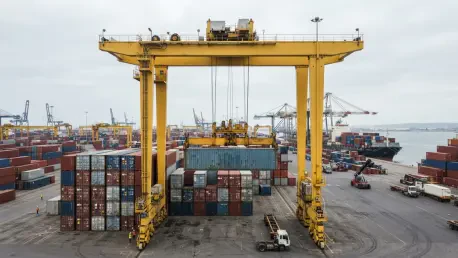

The persistent surge of containerized imports at American coastal gateways has redefined the parameters of modern logistics, compelling stakeholders to abandon historical shipping cycles in favor of a continuous operational intensity that shows few signs of abating. This phenomenon, which industry veterans have characterized as a prolonged peak, serves as the primary engine for a consumer economy that remains surprisingly resilient despite global financial shifts. As the current calendar year of 2026 unfolds, the movement of Twenty-Foot Equivalent Units (TEUs) has become a high-stakes balancing act between satisfying immediate household demand and preparing for a future defined by trade policy fluctuations.
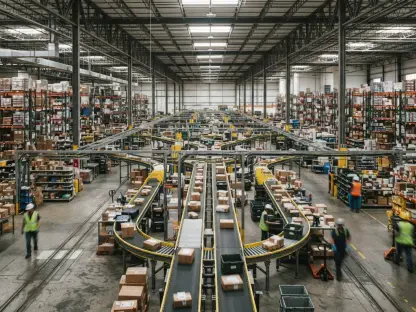
For those managing the flow of goods, the current environment is less about seasonal spikes and more about a sustained high-velocity throughput that strains every link in the supply chain. Port operators from the Pacific Northwest to the Gulf Coast find themselves in a perpetual state of readiness, handling volumes that would have been unthinkable just a few years ago. This transition has necessitated a complete overhaul of how retail giants and small-scale importers alike approach the maritime landscape, moving away from simple transportation toward a sophisticated model of risk mitigation and inventory positioning.
Navigating the Current Landscape of US Maritime Retail Logistics
The United States retail container import industry currently operates in a state of high-pressure activity, serving as the essential backbone of the nation’s consumer-led economic model. This sector is largely defined by the massive, uninterrupted movement of containers through major coastal gateways, a process primarily fueled by steady household spending and the intricate nature of global manufacturing hubs. As technological integration and evolving federal trade policies reshape the industry, major market players must navigate a regulatory environment that is increasingly preoccupied with labor stability and strict tariff compliance.
Current operations highlight a notable shift in how port gateways are utilized, with a growing emphasis on flexibility and alternative routing. Retailers are no longer content with relying on a single point of entry; instead, they are spreading their bets across multiple coasts to avoid localized disruptions. This strategic diversification has transformed the logistics landscape into a dynamic network where cargo is rerouted in real-time based on terminal fluidity and labor availability. Consequently, the industry has reached a point where the ability to interpret logistical data is just as important as the physical capacity to move the containers themselves.
Primary Drivers: Statistical Forecasts for Import Volumes
Shifting Strategies in Modern Retail Supply Chains
The traditional, predictable seasonal shipping cycle has officially evolved into a defensive, front-loading strategy that analysts now refer to as the prolonged peak. Modern retail behaviors show a clear trend where companies are abandoning the long-celebrated just-in-time logistics model in favor of a more conservative just-in-case inventory management style. This shift is largely driven by the constant threat of tariff increases and a collective desire to secure essential merchandise well ahead of major consumer shopping windows. By bringing goods into domestic warehouses early, retailers can effectively insulate their pricing structures from sudden shifts in international trade costs.
Furthermore, technological advancements in real-time tracking and predictive modeling now allow retail managers to pivot their shipments dynamically. When legal rulings or executive orders change the cost of entry for specific product categories, logistics teams can respond within hours rather than weeks. This agility has become a survival trait in 2026, as the speed of regulatory change often outpaces the physical speed of a container ship crossing the ocean. As a result, the strategy of front-loading inventory has moved from being a temporary tactic to a permanent feature of the retail import strategy.
Projecting Import Growth and Performance Indicators
Market data for 2026 indicates a robust trajectory for the remainder of the year, with total annual volumes projected to reach 26 million TEUs. This figure represents a 2% year-over-year increase, signaling that the appetite for imported goods remains strong despite various economic headwinds. Statistical peaks were specifically recorded in September 2026, which saw volumes reach 2.37 million TEUs, marking it as the third-highest month in the history of US containerized trade. While the end of 2026 is expected to maintain steady growth between 1.2% and 9.1%, the broader picture suggests a market that is operating at its absolute capacity.
Looking toward the immediate horizon, projections for the first quarter of 2027 suggest a significant cooling period as the industry attempts to find a new equilibrium. Forecasts predict a sharp 11.2% drop in volume by March 2027, a decline that many experts view as a necessary recalibration following the aggressive inventory pull-forward of the current year. January 2027 is expected to see 2.04 million TEUs, while February 2027 should dip slightly further to 1.89 million TEUs. This anticipated slowdown will likely provide terminal operators and rail providers a brief but critical window to perform maintenance and clear the lingering backlogs that have accumulated during the high-intensity months of 2026.
Overcoming Infrastructure Bottlenecks: Operational Complexity
The industry continues to face significant physical hurdles, particularly regarding on-dock congestion at major West Coast gateways such as the Ports of Los Angeles and Long Beach. The sheer volume of incoming containers has frequently outpaced the available capacity of inland rail services, creating a ripple effect that slows the movement of goods to inland distribution hubs. To overcome these logistical roadblocks, industry leaders are increasingly exploring diversified port entries and enhanced synchronization between maritime arrivals and rail departures. The goal is to move beyond the current bottleneck-prone system toward one that prioritizes throughput speed over simple storage capacity.
Moreover, the persistent reliance on aging infrastructure remains a primary obstacle to maintaining the high-velocity movement required by modern retail demands. Many terminals are struggling to integrate newer, larger vessels that require deeper channels and more advanced crane systems. Investment in automated terminal operations and modernized rail spurs has become a top priority for port authorities looking to remain competitive in a landscape where every hour of delay translates into significant financial losses for retailers. Without a concerted effort to modernize the land-side infrastructure, the gains made in maritime efficiency will likely be negated by domestic transit delays.
The Impact of Labor Relations and Trade Policy Regulations
The regulatory landscape for US imports is currently heavily influenced by federal trade actions and the constant evolution of complex tariff structures. Compliance with shifting customs regulations has become a top priority for importers who are looking to avoid the prohibitive costs associated with trade disputes. Beyond the immediate financial impact of tariffs, labor stability remains a critical and often volatile factor in the health of the supply chain. The ongoing negotiations between the International Longshore and Warehouse Union (ILWU) and the Pacific Maritime Association (PMA) represent a significant point of vulnerability that could disrupt the entire national economy if not managed carefully.
Short-term contract extensions for specialized roles, such as terminal watchmen, highlight the fragile nature of the current labor peace. With several agreements set to expire or reach critical review points in late 2026, the necessity for long-term security measures has never been more apparent. Retailers are closely watching these developments, as even a localized strike at a major gateway could stall the movement of billions of dollars in merchandise. Consequently, many companies have begun incorporating labor-related risk assessments into their broader supply chain strategies, ensuring they have contingency plans in place for potential work stoppages.
Emerging Trends Shaping the Future of Containerized Freight
Looking forward, the US retail import sector will be increasingly defined by trade-policy-driven logistics rather than organic consumer demand alone. Market disruptors, such as sudden executive trade actions or landmark court rulings, will continue to dictate shipping schedules more than traditional seasonal trends. We expect to see a much greater focus on last-mile domestic delivery efficiency as retailers transition their efforts from international transit to strategic domestic inventory positioning. The ability to move a product from a port-side warehouse to a consumer’s doorstep in record time is becoming the new standard for competitive success.
Future growth areas also include the widespread integration of autonomous terminal operations and ambitious green shipping initiatives. These advancements aim to reconcile high import volumes with increasingly stringent environmental standards and changing global economic conditions. As the industry moves toward a more sustainable model, the adoption of electric drayage trucks and low-emission vessel technology will likely become a requirement rather than an option. This shift will not only help the industry meet its climate goals but also improve operational efficiency by reducing the reliance on traditional fuel sources and manual labor for repetitive tasks.
Summary of Prospects for the US Import Industry
The transition from extreme volatility to a more moderate, strategic equilibrium defined the landscape of US retail container imports during the peak periods of 2026. While the year established significant records for volume through proactive risk management and aggressive front-loading, the anticipated slowdown in early 2027 signaled a necessary market correction. Stakeholders prioritized substantial investments in supply chain agility and domestic infrastructure to mitigate the land-side bottlenecks that hindered long-term growth. This period demonstrated that the ability to adapt to regulatory shifts was just as vital as managing physical cargo.
Overall, the industry’s trajectory moved toward a model of cautious optimism, provided that labor stability was maintained through successful contract negotiations. Retailers successfully pivoted toward just-in-case inventory strategies, which shielded the broader economy from the most severe impacts of trade policy fluctuations. By focusing on last-mile efficiency and the integration of autonomous technologies, the sector prepared itself for a future where speed and sustainability became the dual pillars of success. Ultimately, the lessons learned during the intense cycles of 2026 provided the blueprint for a more resilient and responsive maritime freight network.