
The October 29 implementation deadline serves as the foundation for future mandates that may include plain packaging and the requirement to hide products behind retail gantry covers. This sweeping legislative overhaul, known as the Tobacco and Vapes Act 2026, marks a definitive turning point in the

The transition to a digitized retail model in Ciego de Ávila has been characterized by local critics as a crude way to pretend the province is complying with modernization. The inauguration of the El Jupuro market, situated at the busy intersection of Carretera Central and Honorato del Castillo,

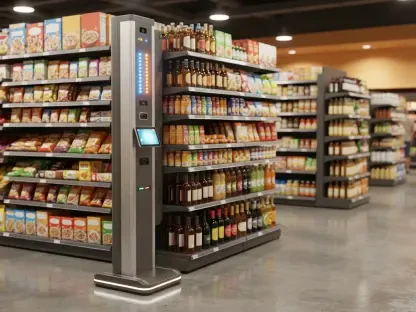
The global retail sector has reached a critical juncture where the traditional barcode is no longer sufficient to manage the staggering complexity of modern omnichannel supply chains and hyper-informed consumer expectations. Radio Frequency Identification (RFID) technology, particularly RAIN UHF

The regulatory environment for vapor products in Pennsylvania has entered a state of profound transformation that is forcing every stakeholder to reconsider their operational strategies. As the current year of 2026 unfolds, the Commonwealth is moving away from a relatively open market toward a

System stability and data governance are the primary factors that determine whether a brand can support autonomous commerce over time. As digital storefronts evolve into ecosystems managed by automated agents, the necessity for a standardized evaluation framework has become undeniable. Shopware has

The retail landscape has undergone a tectonic shift where the digital storefront now acts as the front door to the physical shop, creating a symbiotic relationship that redefines traditional shopping metrics. Contemporary retail is no longer defined by a binary choice between online and offline