
The ongoing integration of sophisticated digital technologies into the traditional retail framework has fundamentally altered the way consumers interact with brands and make purchasing decisions. In this era of rapid technological advancement, the physical storefront is no longer a standalone entity but rather a critical node within a vast, interconnected digital ecosystem. Retailers are increasingly forced to move beyond simple e-commerce platforms, embracing a holistic approach that embeds innovation into every layer of their operations, from the warehouse floor to the final point of sale. This transformation is driven by the realization that modern shoppers value convenience, speed, and personalization above all else, making legacy business models increasingly obsolete. Consequently, companies are investing heavily in infrastructure that supports real-time data processing and automated customer service to bridge the gap between digital expectations and physical reality.
The current transition involves a complete reimagining of the value chain, where software and hardware work in tandem to create a frictionless experience for both the merchant and the buyer. This evolution is not merely a trend but a survival mechanism in a marketplace where the barriers to entry are low and competition is global. As digital tools become more accessible, the focus has shifted toward how these technologies can be leveraged to build deeper emotional connections with audiences and optimize internal efficiencies. Businesses that fail to adapt risk falling into irrelevance, while those that successfully pivot are finding new ways to scale and thrive. The following analysis explores the specific components driving this change and how they collectively redefine the commercial landscape.
1. Factors Fueling the Digital Shift
The primary catalyst for change in the retail sector is the drastic evolution of shopper habits, as individuals now demand the same level of digital efficiency in physical stores that they experience online. Mobile ubiquity has conditioned buyers to expect instant access to product information, peer reviews, and price comparisons at their fingertips, regardless of their physical location. This shift is compounded by the intense rivalry from digital-native giants that have set high benchmarks for delivery speeds and user interface design. Traditional retailers are finding that to compete, they must match these digital standards while leveraging their physical assets to provide unique tactile experiences that web-only stores cannot replicate.
Furthermore, the need for data-driven insights has become a non-negotiable requirement for operational success in a high-stakes environment. Advanced machine learning algorithms and mechanical automation are now essential for managing complex inventories and predicting market fluctuations before they occur. By automating repetitive tasks, retailers can reallocate human resources toward high-value activities such as creative marketing and complex problem-solving. This reliance on technical progress is not just about staying modern; it is about creating a resilient business structure that can respond to sudden shifts in the global supply chain or consumer sentiment with precision and speed.
2. Elements of a Multi-Channel Strategy
A successful digital strategy relies on the seamless blending of digital and physical shopping environments to ensure that a customer’s journey remains consistent across all touchpoints. Shoppers often begin their research on a mobile device, continue it on a desktop, and ultimately conclude the transaction in a physical store, requiring a unified backend system that tracks these interactions in real time. For this to work, inventory management systems must provide live updates on stock levels across all locations, preventing the frustration of out-of-stock items that can drive a customer to a competitor. This level of transparency builds trust and encourages shoppers to utilize flexible options like buying online for in-store pickup.
Centralizing user information across all outlets is equally vital for maintaining a coherent brand identity and delivering relevant messaging. When a retailer has a single, comprehensive view of a customer’s history, they can offer a level of service that feels personal and informed, regardless of which channel the customer chooses. This data centralization allows for versatile delivery choices, such as ship-from-store models that turn retail locations into mini-fulfillment centers. By optimizing the logistics of the multi-channel journey, businesses can reduce shipping costs and delivery times, further enhancing the overall value proposition for the modern consumer who prioritizes time-saving solutions.
3. Practical Uses for Artificial Intelligence
Artificial intelligence has moved from a niche experimental tool to a core component of retail strategy, providing the analytical power necessary to process vast quantities of consumer data. One of the most visible applications is the deployment of tailored product suggestions, which use historical purchase data and browsing behavior to predict what a shopper might want next. These algorithms significantly increase conversion rates by narrowing the overwhelming sea of choices down to a curated selection that resonates with the individual’s specific needs. This level of precision is virtually impossible to achieve through manual merchandising alone and represents a significant leap in marketing efficiency.
Beyond the storefront, AI is also revolutionizing the operational side of retail through sales predictions and stock refinement. By analyzing seasonal trends, weather patterns, and economic indicators, predictive models can suggest optimal inventory levels, reducing the risk of overstocking or missed sales opportunities. Additionally, automated support bots have become essential for providing quick, 24/7 assistance to customers, handling routine inquiries about order status or return policies without the need for human intervention. These bots are becoming increasingly sophisticated, using natural language processing to understand complex queries and provide answers that feel natural and helpful, thereby improving the overall customer service experience.
4. Perks of Analyzing Data
The ability to analyze data effectively serves as a powerful competitive advantage, allowing retailers to move from reactive decision-making to a more proactive and strategic stance. By gaining a deeper grasp of buyer habits and tastes, companies can design store layouts and digital interfaces that align perfectly with how people naturally shop. This insight extends to marketing efforts, where data allows for the creation of highly targeted advertising campaigns that reach the right audience at the most opportune moment. Instead of broad, expensive media buys, retailers can now focus their budgets on micro-segments that are most likely to respond to specific offers or brand messages.
Data analysis also plays a critical role in perfecting costs and deals through dynamic pricing models that adjust in response to real-time market conditions. This ensures that a retailer remains competitive while still protecting their profit margins, as prices can be optimized based on competitor activity and current demand levels. Furthermore, the logistical productivity gained from data insights cannot be overstated, as it allows for the identification of bottlenecks in the supply chain. By streamlining the movement of goods from the manufacturer to the warehouse and finally to the consumer, businesses can significantly reduce overhead and improve the reliability of their fulfillment processes.
5. Current Shifts in Online Shopping
The growth of e-commerce continues to accelerate, driven by the increasing popularity of shopping via phones and specialized mobile applications that offer a superior user experience. These apps often feature integrated payment systems and biometric security, making the checkout process faster and more secure than traditional web browsing. At the same time, social networks have transformed into powerful commerce hubs, where integrated media allows users to purchase products directly from their feeds without ever leaving the platform. This “social commerce” trend collapses the funnel between discovery and purchase, making it easier than ever for brands to capitalize on viral trends and influencer endorsements.
Expectations for delivery speed have also undergone a radical shift, with many consumers now viewing next-day or even same-day shipping as a standard requirement rather than a premium service. To meet these demands, retailers are exploring recurring payment and membership models that offer free shipping and exclusive perks in exchange for a predictable monthly fee. These subscription services not only provide a steady stream of revenue but also foster deep brand loyalty, as customers are more likely to return to a store where they already have an active membership. This shift toward service-based retail highlights a broader move away from transactional interactions toward long-term relationship management.
6. Innovations in Logistics and Supply Chains
Modern technology is making supply chains more accurate and resilient by introducing high levels of automation into storage facilities and distribution centers. Automated machinery, such as robotic pickers and self-sorting conveyor belts, can process orders with a speed and precision that far exceeds human capabilities, significantly reducing the time it takes for a product to leave the warehouse. These facilities are often equipped with smart sensors that provide live shipment tracking, allowing retailers and customers to monitor the exact location of goods at every stage of the journey. This transparency reduces the uncertainty associated with shipping and allows for better planning across the entire organization.
The adoption of secure digital ledgers, often referred to as blockchain technology, is further enhancing transparency by creating an immutable record of every transaction and movement within the supply chain. This is particularly valuable for verifying the authenticity of products and ensuring that ethical sourcing standards are met throughout the production process. Additionally, self-managing stock systems are becoming more common, using real-time data to automatically trigger reorders when inventory hits a certain threshold. These innovations collectively create a more responsive supply chain that can adapt to disruptions without the need for constant manual oversight, ensuring that products are always available when and where they are needed.
7. Improving the Buyer’s Journey
Retailers are leveraging digital tools to stand out in a crowded market by offering promotional efforts that are precisely targeted to the individual’s current context and preferences. Using location-based technology, a store can send a personalized discount code to a shopper’s phone the moment they walk through the door, creating an immediate incentive to make a purchase. Furthermore, the introduction of virtual fitting rooms and digital overlays allows customers to see how clothing or accessories will look on them without having to physically try them on. This use of augmented reality not only enhances the shopping experience but also helps reduce the high costs associated with product returns in the fashion sector.
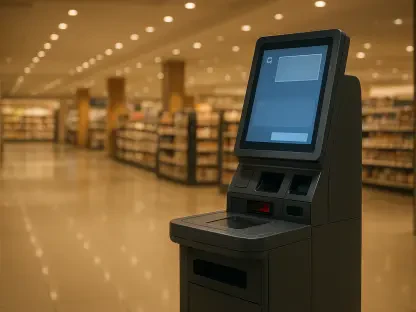
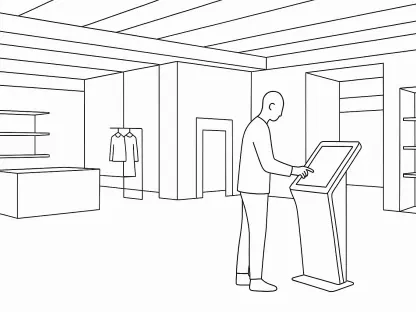
The checkout process is also being revolutionized through phone-based payment options and “just walk out” technology that eliminates the need for traditional registers. By using computer vision and weight sensors, stores can automatically track what a customer picks up and charge their digital wallet as they exit, creating a truly frictionless experience. This convenience is often paired with reward programs that are fueled by detailed shopper statistics, ensuring that loyalty points and bonuses are relevant to the user’s actual interests. These integrated experiences make shopping more efficient and enjoyable, encouraging customers to choose brands that prioritize their time and ease of use over traditional, slower methods.
8. Digital Safety Protocols
As the retail industry increasingly moves its operations and customer interactions online, the importance of robust digital safety protocols has never been more critical. Protected payment portals are now a standard requirement, utilizing advanced encryption to ensure that sensitive financial information is never exposed to unauthorized parties during a transaction. Retailers must also implement rigorous scrambling techniques for all stored data, protecting everything from home addresses to purchase histories from potential cyber threats. Regular system checks and comprehensive audits are necessary to identify vulnerabilities before they can be exploited by malicious actors, ensuring that the brand’s reputation for security remains intact.
Beyond technical defenses, staff education on digital threats is a vital component of a comprehensive security strategy, as human error remains one of the most common entry points for data breaches. Employees at all levels must be trained to recognize phishing attempts, handle customer data responsibly, and follow established protocols for password management and system access. By fostering a culture of cybersecurity awareness, retailers can significantly reduce the risk of internal lapses that could lead to costly and damaging security incidents. These proactive measures not only protect the business legally and financially but also reinforce the trust that customers place in a brand when they share their personal information.
9. Hurdles to Overcome during Transformation
The transition to a fully digital retail model is fraught with challenges, including the significant financial burden of high setup and maintenance expenses. Investing in cutting-edge software, hardware, and specialized personnel requires substantial capital, which can be a major barrier for smaller retailers or those with tight profit margins. Additionally, many established businesses face internal pushback from staff who are accustomed to traditional methods and may view new technologies with skepticism or fear. Overcoming this cultural inertia requires strong leadership and a clear communication strategy that emphasizes the long-term benefits of digital tools for both the employees and the organization.
Another major hurdle is the difficulty of linking new, modern tools with legacy software systems that were never designed for the interconnected nature of today’s retail environment. These “technical debts” can lead to data silos and operational inefficiencies that undermine the very goals of the digital transformation process. Furthermore, handling massive amounts of information generated by digital interactions requires a sophisticated infrastructure for data storage and analysis. Without the right tools to filter and interpret this data, retailers can become overwhelmed by “noise,” making it difficult to extract actionable insights. Navigating these complexities requires a disciplined approach to project management and a willingness to iterate on strategy as new obstacles emerge.
10. Upcoming Innovations to Watch
The retail landscape is poised for further disruption as breakthroughs in smart technology and more powerful AI models continue to emerge and mature. Voice commerce is one such area of growth, as more households adopt smart assistants that allow users to add items to their shopping lists or place orders through simple voice commands. This hands-free approach to shopping represents the next frontier of convenience, particularly for routine household purchases. Additionally, the development of self-driving shipping methods, including autonomous ground robots and delivery drones, promises to further reduce the cost and time associated with the “last mile” of the delivery process.
High-level customization techniques are also expected to become more prevalent, with 3D printing and on-demand manufacturing allowing retailers to offer products that are uniquely tailored to each customer’s specifications. This shift could lead to a future where inventory is significantly reduced, as items are only produced once a sale is confirmed. Furthermore, the integration of the metaverse and immersive virtual environments could create entirely new ways for consumers to interact with brands, offering digital-only products or virtual storefronts that transcend physical geography. These innovations suggest that the digital transformation of retail is an ongoing journey with no fixed endpoint, constantly evolving in response to technological possibility.
11. Strategic Priorities for Ongoing Evolution
To remain competitive in the current landscape, retail organizations successfully adopted clear strategic frameworks that emphasized agility and consumer-centricity. Decision-makers prioritized the setting of specific, measurable goals that aligned their technological investments with broader business objectives, ensuring that every new tool served a clear purpose. By putting capital into scalable tech infrastructure rather than quick-fix solutions, these companies built a foundation that could support future growth and innovation. They also recognized the value of their human capital, dedicating significant resources to educate the workforce and develop the technical expertise necessary to manage increasingly complex digital systems.
The most successful transitions occurred when brands consistently prioritized plans that put the buyer’s needs at the center of every technological decision. By focusing on creating a frictionless and personalized experience, these retailers were able to build lasting loyalty that translated into sustained profitability. They also maintained a disciplined approach to performance, keeping a close track of results through key performance indicators and making ongoing improvements based on real-world feedback. This iterative process allowed them to pivot quickly when certain initiatives failed to meet expectations, ensuring that resources were always directed toward the most impactful projects. Ultimately, the industry learned that digital transformation was not a one-time event but a continuous commitment to operational excellence.