
The golden age of receiving daily, ultra-cheap shipments from across the globe is finally drawing to a definitive close as European regulatory bodies fundamentally restructure the economic landscape for international e-commerce platforms. For years, the digital marketplace was flooded with small, low-value parcels that bypassed standard taxation, allowing giants like Shein and Temu to dominate the retail sector with prices that domestic competitors simply could not match. However, the introduction of rigorous new trade protocols has forced these mega-retailers to reconsider their entire logistics architecture. Instead of relying on a high-velocity stream of individual airmail packages, these companies are now pivoting toward traditional bulk-inventory models. This transformation represents more than just a bureaucratic hurdle; it is a vital survival mechanism for foreign brands aiming to maintain their presence in Europe amidst escalating legislative pressure and a renewed focus on regional economic protection.
Trade Reform: Closing the De Minimis Loophole
The cornerstone of this regulatory overhaul is the abolition of the long-standing de minimis rule, which previously allowed shipments valued under 150 euros to enter the European Union without incurring standard import duties. This exemption acted as the primary engine for the direct-to-consumer revolution, providing foreign entities with a massive pricing advantage over local businesses that are required to pay commercial taxes on every bulk shipment brought into the territory. By mid-2026, this duty-free status is being systematically replaced by a standardized customs handling fee, often referred to as a parcel tax. This specific fiscal measure is designed to level the playing field by ensuring that every imported item contributes to the regional economy. The move essentially ends the era of tax-free shopping for international consumers, making the once-invisible costs of cross-border logistics a tangible reality for every platform operating within the European Single Market area.
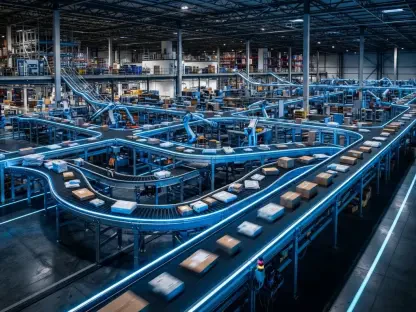
The sheer scale of the parcel flood that prompted these drastic reforms highlights why the previous system became unsustainable for European customs authorities. By 2026, the volume of low-value items entering the European Union has reached a staggering 6 billion units annually, representing a massive increase from the start of the decade. At the current rate, daily arrivals typically hover between 12 million and 16 million small parcels, with the vast majority of these shipments originating from manufacturing hubs in China. This overwhelming influx created a massive administrative crisis, stretching the resources of customs officials to their breaking point and making it nearly impossible to conduct effective safety or compliance checks. Consequently, the new regulatory framework emerged as an absolute necessity to restore order and ensure trade stability across member states. The legislative shift aims to curb the environmental and logistical strain caused by billions of unmonitored packages.
Logistics Shift: Adapting Through Bulk and Regional Hubs
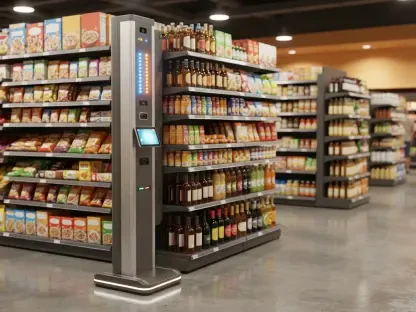
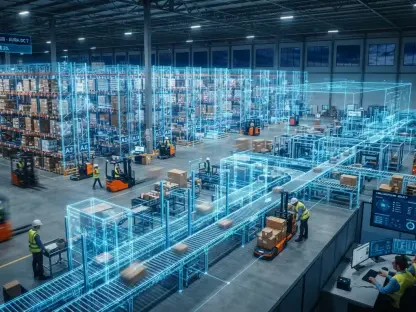
In a strategic effort to bypass the newly implemented per-parcel fees, retail giants are fundamentally altering their transportation methods by moving away from individual air shipments toward massive sea or rail containers. By utilizing these established business-to-business shipping channels, companies can pay a single set of commercial duties on a large volume of goods rather than managing thousands of individual, costly parcel fees. This tactical maneuver enables these platforms to move their inventory into massive fulfillment centers located strategically within the borders of the European Union, specifically in countries like Poland. Once the goods are stored in these regional hubs, orders can be processed and shipped locally to customers, effectively bypassing the out-of-EU duty entirely for the final delivery stage. This regionalization of inventory not only mitigates the impact of new taxes but also significantly reduces the time it takes for consumers to receive their orders.
This rapid transition to localized warehousing is already sending significant shockwaves through the international air cargo industry, which previously thrived on the high-frequency shipment of small e-commerce orders. In regions where similar tax structures were implemented early as pilot programs, such as in France, the volume of small parcels arriving at major international airports plummeted by over 90 percent almost overnight. As the European-wide fees take full effect across all member states, logistics experts predict a permanent and significant decline in direct air shipments originating from China. The entire landscape of global trade is shifting toward a model defined by high-density, regionalized distribution networks. In this new environment, competitive advantage is no longer found in the ability to secure cheap global airfreight but rather in the operational efficiency of local warehouses. Companies must now master the art of demand forecasting to ensure that the correct inventory is already positioned.
Strategic Outcomes: Infrastructure Challenges and Future Resilience
Major global logistics carriers, including industry leaders like DHL and FedEx, expressed serious concerns regarding the potential for massive bottlenecks at European borders during this transitional phase. The shift toward a bulk-import model introduced complex new data requirements and digital reporting standards that existing infrastructure was not initially prepared to handle. Industry experts warned that without significant upgrades to border processing facilities and automated customs systems, the influx of containerized e-commerce freight could have led to severe cargo pileups. These delays threatened not only consumer goods but also broader industrial production by congesting the same transit routes used for critical components. Furthermore, the new regulatory environment created a widening competitive gap between massive e-commerce platforms and smaller independent merchants who lacked the capital necessary to invest in expansive regional warehouses. Navigating these hurdles required a coordinated effort.
To navigate this reshaped marketplace, businesses ultimately adopted a more sophisticated approach to supply chain transparency and data management. Successful companies focused on integrating advanced predictive analytics to optimize their regional inventory levels, which reduced the financial risks associated with maintaining large-scale local warehouses. The shift necessitated a move away from the just-in-time delivery model toward a just-in-case strategy, where having goods physically present within the European Union became the primary driver of customer satisfaction. Logistics providers also played a crucial role by offering shared warehousing solutions for smaller merchants, allowing them to pool resources and access the same bulk-shipping benefits enjoyed by larger competitors. These developments established a new standard for international commerce that balanced consumer demand with the practical realities of fiscal responsibility. By embracing these changes, the logistics industry transformed itself.