
The fundamental reorganization of global commerce is currently being driven by a surge in digital storefront sophistication that transcends basic transactional functionality to become a complex operational backbone. Recent market analysis suggests that the ecommerce platform sector is poised to reach a valuation of $16.5 billion by 2030, representing a significant jump from approximately $9 billion in 2025. This rapid growth trajectory is not merely a byproduct of increased consumer spending but is actually a result of businesses rebuilding their entire technical stacks to support a digital-first world. As brands transition away from legacy systems, the focus has shifted toward creating agile environments that can handle the intricacies of modern logistics, localized payment gateways, and real-time inventory management. This evolution reflects a broader trend where digital commerce is no longer a secondary channel but the primary driver of enterprise value and customer engagement across every major global economy, signaling a permanent shift in how products and services are traded.
The Strategic Shift Toward Unified Commerce
Integrating Systems for Scalable Business Infrastructure
The move toward unified commerce represents a significant departure from the fragmented software architectures that previously hampered business agility and prevented consistent data flows. Modern enterprises are increasingly adopting centralized systems that manage everything from initial product discovery, often facilitated by predictive artificial intelligence, to final fulfillment and post-purchase support. By unifying these disparate functions into a single, coherent ecosystem, companies can eliminate the data silos that often lead to inventory discrepancies and fragmented customer records. For instance, a retailer might use a cloud-native platform to ensure that a customer’s reward points, browsing history, and shipping preferences remain synchronized whether they are shopping on a mobile app or browsing in a physical store location. This architectural cohesion allows for a level of operational transparency that was previously unattainable, enabling a more responsive and efficient supply chain that can react to consumer demand in real-time without manual intervention.
Beyond just simplifying technical management, these integrated platforms offer profound advantages in terms of strategic data utilization and long-term scalability. Organizations are now leveraging real-time analytics embedded directly into their commerce engines to monitor performance metrics across various geographic markets and sales channels simultaneously. This deep visibility allows decision-makers to identify emerging trends, such as a sudden preference for eco-friendly packaging in Western Europe or a spike in mobile-wallet usage in Southeast Asia, and pivot their strategies accordingly. Furthermore, the shift toward headless commerce architectures—where the front-end user experience is decoupled from the back-end logic—provides developers with the flexibility to experiment with new interfaces without disrupting the underlying transactional systems. This ensures that as new technologies like augmented reality become more mainstream, businesses can integrate these innovations seamlessly into their existing infrastructure without needing a complete overhaul of their core technology stacks.
Advancing Experience Through Automated Personalization
Automation has moved from a background process to a central feature of the modern ecommerce platform, fundamentally changing how brands interact with their global customer base. Sophisticated algorithms now power everything from dynamic pricing models to personalized product recommendations that adapt as a user navigates through a digital storefront. This level of automation does not just improve the user experience; it also significantly reduces the manual workload for marketing and merchandising teams. By automating repetitive tasks like inventory updates and email marketing triggers, businesses can focus their human resources on high-level strategy and creative development. The result is a more efficient operation that can provide a highly tailored experience to millions of individual shoppers at the same time. This capability is essential in a market where consumers have come to expect that platforms will anticipate their needs and provide relevant solutions without requiring extensive searching.
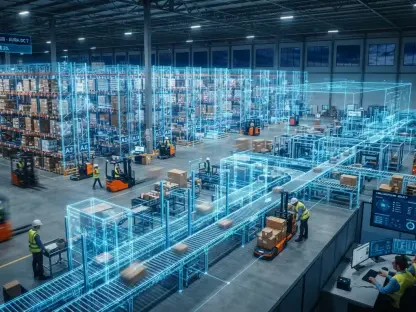
The integration of real-time transparency across the entire supply chain is another critical component of the modern automated commerce ecosystem. Customers today expect to know exactly where their order is at any given moment, from the second it is picked in a warehouse to the final delivery at their doorstep. High-performance platforms facilitate this by connecting directly with logistics providers and shipping carriers to provide automated updates and tracking information. This transparency builds trust and reduces the burden on customer support teams, who no longer have to handle as many inquiries regarding order status. Moreover, automation helps in managing complex returns and exchange processes, ensuring that inventory is restocked quickly and refunds are processed without delay. As these systems become more intelligent, they are also beginning to predict potential delays caused by weather, allowing companies to proactively inform customers and adjust their logistical strategies to minimize any negative impact.
Core Segments and Regional Market Dynamics
Analyzing Sector Growth and Global Expansion
The competitive landscape for ecommerce platforms is being reshaped by a distinct preference for comprehensive, end-to-end solutions that offer a total suite of digital trade tools. Many businesses are moving away from piecemeal approaches, which often require expensive and time-consuming custom integrations between different software vendors. Instead, they are prioritizing platforms that combine storefront management, customer relationship management, and sophisticated logistics coordination within a single interface. This trend is particularly evident in the B2B sector, which is currently the fastest-growing segment of the market as traditional manufacturers and wholesalers digitize their sales processes. These organizations are replacing legacy manual systems with modern platforms that support complex features like tiered pricing models, bulk ordering, and self-service account management. This transformation is largely fueled by a new generation of procurement officers who demand an intuitive and efficient experience in their professional lives.
Geographically, the Asia Pacific region continues to set the pace for global ecommerce innovation, driven by high rates of mobile penetration and significant investments in digital infrastructure. Countries like China and India have become breeding grounds for social commerce and hyper-personalized shopping experiences that rely heavily on advanced algorithms and real-time social interaction. These regional markets are not just growing in terms of volume but are also leading the charge in the adoption of next-generation payment systems and automated warehouse technologies. Governments in these areas have also introduced various initiatives to foster digital trade, providing a supportive regulatory environment that encourages small and medium-sized enterprises to expand their reach across international borders. As these markets mature, the focus is shifting toward creating more resilient and sustainable commerce ecosystems that can withstand global economic shifts and foster deeper connections with customers worldwide.
Implementing Strategies for Long-Term Digital Resilience
The rapid evolution of the ecommerce platform market through 2026 established a new standard for how technology serves as the backbone of global commerce. Businesses that successfully navigated this transition focused on migrating away from rigid legacy systems and toward flexible, API-first architectures that prioritized mobile accessibility and cross-channel integration. It became clear that the path forward required a significant investment in data literacy and the adoption of unified commerce models to eliminate internal inefficiencies. Organizations recognized the need to prioritize regional customization and security to build trust with a diverse global audience. Moving forward, the focus shifted toward deepening the integration of artificial intelligence not just for customer-facing features, but for optimizing internal logistics and demand forecasting. Decision-makers evaluated their technology partners based on their ability to scale and adapt to emerging social commerce trends. This proactive approach allowed the industry to reach its valuation.
To maintain a competitive edge in this environment, enterprises must now prioritize the selection of platforms that offer modularity and open integration capabilities. As the market continues to expand toward the 2030 projections, the ability to rapidly adopt emerging technologies such as voice commerce or decentralized payment systems will distinguish market leaders from those who remain tethered to outdated frameworks. Companies should conduct regular audits of their digital ecosystems to identify bottlenecks in the customer journey and areas where automation could further reduce operational friction. Additionally, fostering a culture of continuous learning and technical adaptability within internal teams will be crucial for leveraging the full potential of these advanced commerce tools. By focusing on building a resilient and customer-centric infrastructure today, businesses can ensure they are well-positioned to capitalize on the ongoing digital transformation of the global trade landscape and achieve sustainable growth in the coming years.