
The Mexican retail sector is currently witnessing an unprecedented digital expansion that is fundamentally altering how consumers interact with established brands and emerging storefronts. While the national economy has experienced relatively modest growth, the e-commerce market has surged forward at a remarkable rate of 19.2 percent, positioning Mexico as the eighth largest digital marketplace globally. This explosive development creates a unique landscape where over 77 million active buyers demand a fluid transition between browsing on their mobile devices and visiting physical locations. Retailers face a complex “retail paradox” where the traditional boundaries of commerce are dissolving, forcing a rapid evolution from siloed sales models to a unified, omnichannel ecosystem. Successful businesses are those that recognize that three-quarters of the population no longer identifies with a single shopping channel, but instead oscillates between online platforms and physical stores throughout the day. This shift requires a massive overhaul of existing infrastructure to ensure that digital convenience is matched by physical reliability and inventory precision.
Operational Hurdles: Resolving Logistical Barriers for Shoppers
Navigating the complexities of omnichannel retail requires more than just a functional website; it demands a radical improvement in the physical handling of goods to maintain consumer trust. Recent industry research indicates that order integrity remains the single most significant hurdle for the digital shopper in Mexico, with frequent reports of damaged items and incomplete shipments. These operational failures create a visible disconnect where the polished digital marketing promise collapses during the final stages of physical delivery, ultimately alienating potential brand advocates. Many organizations struggle with the transition because their back-end systems are unable to communicate effectively across different departments, leading to inventory discrepancies that frustrate customers. To overcome these hurdles, retail leaders are focusing on tightening their quality control measures and integrating advanced logistics software. This approach ensures that the items selected in a digital cart are the exact ones that arrive at the customer doorstep in pristine condition.
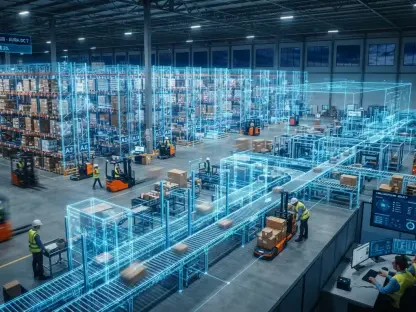
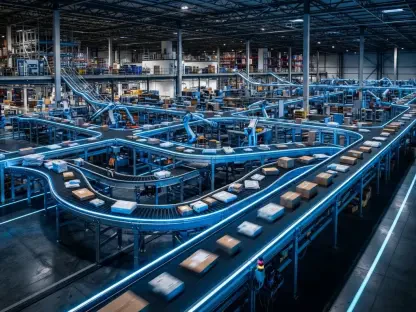
Beyond the condition of the products themselves, the speed and accuracy of delivery timelines have become critical benchmarks for success in the competitive Mexican market. Many consumers have expressed dissatisfaction with late arrivals, which often stem from a lack of visibility within the supply chain and inefficient warehouse management practices. When a business fails to meet its promised delivery window, it not only loses a single sale but also damages its long-term reputation in a marketplace where word-of-mouth travels quickly. Addressing these pain points is no longer an optional upgrade but a baseline requirement for any company hoping to achieve market maturity by 2027 and beyond. Retailers are now investing heavily in local distribution hubs and smarter routing algorithms to minimize transit times. By prioritizing fulfillment reliability, these companies can convert sporadic online shoppers into loyal customers who feel confident engaging with the brand across any touchpoint. This transition involves a move away from antiquated tracking methods toward a more proactive management style.
Precision Infrastructure: Leveraging RFID for Real-Time Intelligence
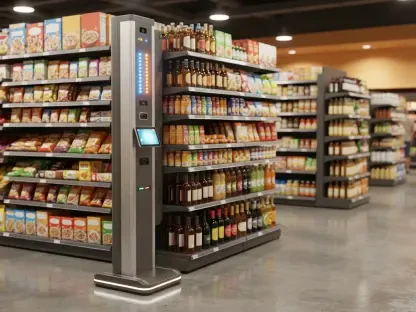
Radio-Frequency Identification (RFID) has moved from a niche experimental tool to a foundational element of the modern retail infrastructure across Mexico’s major metropolitan areas. This technology provides item-level intelligence that allows businesses to abandon periodic manual inventory counts in favor of live, automated monitoring of every piece of stock. By embedding small chips into product tags, retailers can maintain a highly accurate digital twin of their physical inventory, ensuring that what is listed as available online truly exists on the warehouse shelf. This real-time visibility acts as the vital connective tissue between a digital transaction and the physical movement of products through the supply chain. Moreover, the implementation of RFID helps prevent the common issue of ghost inventory, where items are listed in the system but cannot be located in the store. As retailers move from 2026 to 2028, those utilizing these sophisticated tracking systems will be better equipped to handle the high-volume demands of peak shopping seasons without experiencing the typical drop in data accuracy or order fulfillment rates.
The operational advantages of RFID technology extend far beyond inventory counting, directly impacting staff productivity and the overall efficiency of store operations. Instead of dedicating hours to manual stock audits, employees are now empowered to focus on high-value tasks such as customer engagement and personalized sales consultations. When a customer inquires about a specific item, staff members can use handheld readers to locate the exact product within seconds, significantly reducing the friction traditionally associated with the in-store experience. This surge in efficiency allows retail locations to function as micro-fulfillment centers, where online orders are picked and packed directly from the sales floor with absolute precision. Furthermore, the data gathered through RFID sensors provides management with deep insights into product movement patterns, highlighting which items are frequently handled but rarely purchased. By analyzing these trends, businesses can refine their merchandising strategies and optimize their floor layouts to better reflect consumer preferences. This level of granular control is essential for maintaining a lean supply chain.
Strategic Integration: Building a Resilient Framework for Growth
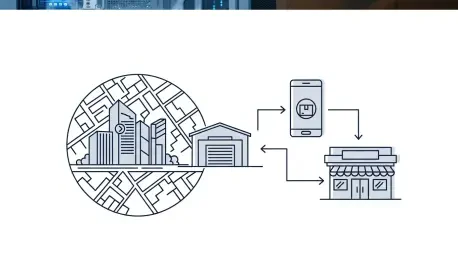
As Mexican retailers look toward the remainder of the decade, the emphasis is shifting toward creating a completely seamless consumer journey that bridges the gap between digital ease and physical presence. This strategy involves integrating mobile applications with in-store experiences, such as using geofencing to alert staff when an online customer arrives for a curbside pickup. The integration of RFID data into these consumer-facing apps ensures that the information provided to the user is always up-to-date, preventing the frustration of out-of-stock notifications after a purchase has been made. Businesses are also exploring the use of smart fitting rooms and interactive displays that recognize RFID-tagged items to offer personalized recommendations. Such innovations transform the physical store into a destination of discovery rather than just a place of transaction, which is vital for retaining the interest of the 77 million active buyers in the region. By treating the physical and digital realms as two halves of a single whole, retailers can create a resilient brand ecosystem that is capable of thriving in an increasingly crowded and competitive marketplace.
The transition toward an integrated omnichannel model required a significant departure from the fragmented strategies that characterized the early digital era in Latin America. Organizations that successfully adopted RFID technology found themselves in a much stronger position to handle the logistical complexities of high-speed delivery and inventory management. These businesses moved beyond simple pilot programs and integrated item-level tracking into their core operations, which allowed them to minimize errors and maximize customer satisfaction. The industry recognized that reliable order fulfillment was the most effective way to secure long-term loyalty and outpace competitors who remained tethered to manual processes. Future considerations involved the continuous refinement of these automated systems to handle even larger volumes of data while maintaining a personalized touch for every shopper. By solving the operational hurdles of the past, retailers established a new standard for excellence that transformed the Mexican marketplace into a global leader in retail innovation. The focus remained on utilizing real-time intelligence to ensure that every interaction, whether online or in person, met the high expectations of a sophisticated and interconnected consumer base.