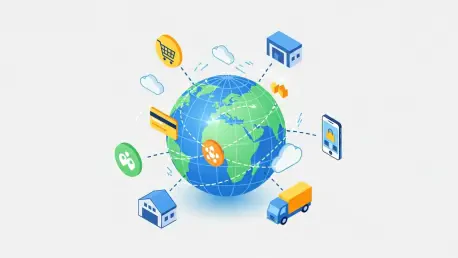

The transition from a small-scale operation to a multi-billion dollar enterprise signifies a profound shift in how consumer goods move across the globe through digitized logistics. Achieving two decades of continuous growth in the volatile tech sector is a rarity, yet this milestone highlights a resilient strategy built on predictive analytics and localized fulfillment centers. By integrating proprietary software with a vast physical footprint, the organization has redefined the expectations for third-party accelerators and brand partners alike. This anniversary serves as a focal point for analyzing how data-driven decisions transformed a garage-born venture into a powerhouse that manages thousands of stock-keeping units across categories. While many competitors struggled during shifts in behavior, this entity leaned into infrastructure investments, ensuring the supply chain remained robust despite global fluctuations. The legacy of these past twenty years provides a blueprint for modern retail where the intersection of speed and reliability determines long-term success.
The Evolution of Logistics: Scaling Through Proprietary Technology
Technological sophistication stands at the core of this twenty-year trajectory, specifically through the deployment of advanced warehouse management systems and robotic automation. From 2026 to 2028, the emphasis shifts toward hyper-personalized logistics, where artificial intelligence predicts localized demand to preposition inventory before an order is even placed. This proactive approach minimizes shipping times and reduces the carbon footprint associated with long-haul transportation. The integration of machine learning algorithms allows for real-time pricing adjustments, ensuring that products remain competitive across multiple marketplaces. By automating labor-intensive aspects of fulfillment, the company has managed to maintain a high level of efficiency even as the volume of transactions increased. Such digital infrastructure does not merely support sales; it creates a feedback loop that informs product development. This level of technical maturity ensures that the supply chain is no longer a bottleneck but a competitive advantage.
Beyond the technical aspects of moving goods, the success of the past two decades is deeply rooted in the ability to forge mutually beneficial relationships with major retail platforms. By serving as a bridge to giants like Amazon and Walmart, the company has provided brands with an effortless way to reach millions of customers without the overhead of managing channel requirements. This ‘buy-back’ model, where the accelerator takes ownership of the inventory, shifts the risk away from manufacturers and places the burden of performance on the logistics partner. This alignment of interests ensures that every marketing dollar and operational improvement impacts the bottom line for all parties involved. The value proposition extends to data transparency, allowing brand owners to see exactly how their products perform across various demographics. This collaborative environment has fostered long-term loyalty, with many partners remaining within the ecosystem for years. These results demonstrate that a shared vision leads to significant revenue growth within a single partnership year.
Global Footprint: Expanding Beyond Regional Boundaries
Scaling operations on a global scale required a fundamental rethinking of how regional markets interact with a centralized distribution strategy. The expansion into international territories has been marked by the establishment of strategic hubs that allow for two-day shipping in regions previously underserved by rapid ecommerce delivery. This geographic diversification mitigates the risks associated with regional economic downturns and provides a steady stream of growth opportunities. From 2026 to 2029, the focus remains on deepening the presence in European markets, where the digital consumer base continues to expand at a record pace. Navigating the complexities of cross-border taxes, customs regulations, and local preferences requires a dedicated team and a flexible software stack. By standardizing these processes, the organization has made it possible for domestic brands to enter the international stage with minimal friction. This global reach ensures that the infrastructure built over the last twenty years supports a truly borderless shopping experience.
Reflecting on the progress made since the early days of digital commerce, it became clear that the most successful organizations were those that prioritized adaptability and long-term infrastructure. The previous twenty years proved that relying on third-party logistics alone was insufficient for maintaining the control necessary for rapid growth. Instead, investing in a proprietary network allowed for the resilience required to survive market shifts. Looking ahead, the focus shifted to the integration of sustainable practices within the fulfillment process, as environmental impact became a primary concern for consumers. Actionable steps for the next phase included the adoption of electric delivery fleets and the implementation of circular economy principles. By focusing on these areas, the industry ensured that the convenience of online shopping did not come at the expense of ecological health. These strategies served as the foundation for a future where commerce is both efficient and responsible. This evolution ensured that the organization remained a leader for many years.