
The global retail landscape is currently witnessing a significant transformation as physical stores move away from manual inventory tracking methods and toward autonomous robotics capable of monitoring thousands of shelf items instantly. Between the current year and 2036, the market for these sophisticated scanning systems is expected to evolve from experimental pilot programs into essential pieces of modern store infrastructure that define operational success. This shift is primarily driven by the urgent need to manage physical assets with the same precision as digital ones, especially as the lines between online and offline shopping continue to blur. Financial projections for this technology remain exceptionally strong, with the industry valuation beginning at $375 million and expanding at a consistent compound annual growth rate of 25% to reach nearly $3.5 billion within the next ten years. Such an influx of investment reflects a broader prioritization of data-driven retail operations that aim to eliminate the discrepancy between what is recorded in a database and what is actually available for purchase. By addressing the visibility gap, these robots provide a direct solution to the problem of phantom inventory, where items appear in stock digitally but are physically absent from the store floor. This persistent real-time monitoring ensures that the physical reality of the store shelf is always reflected in the digital world, providing a foundation for more efficient and profitable retail management.
Strategic Drivers: The Struggle for Real-Time Accuracy
The struggle for real-time data accuracy is a major pain point for modern retailers who are facing increasingly complex supply chains and demanding consumer expectations. Recent industry reports suggest that only a small minority of supply chain managers can confidently claim to have a fully accurate view of their inventory at any given moment, leading to significant inefficiencies. This lack of transparency results in missed sales opportunities and labor costs associated with manually searching for misplaced or missing items that the system claims are in stock. Artificial intelligence has emerged as the critical operational necessity for addressing these challenges, moving beyond its previous role as a high-tech novelty to become the backbone of shelf intelligence. A significant portion of industry professionals are now either actively implementing or evaluating AI-driven projects to monitor product availability and ensure shelves remain properly stocked. This transition toward predictive, automated management is helping stores move away from reactive processes that rely on human observation, which is often inconsistent and prone to error. By automating the data collection process, retailers can reallocate their human resources to higher-value tasks while maintaining a level of stock accuracy that was previously impossible to achieve.
Beyond the internal benefits of operational efficiency, the pressure of omnichannel fulfillment has accelerated the demand for high-frequency robotic scanning. The rise of services such as buying online and picking up in-store has changed the stakes for inventory accuracy; when a customer places an order, the store must be absolutely certain the item is on the shelf and ready for pickup. If a store associate is sent to fulfill an order only to find a misplaced or out-of-stock item, the resulting delay or cancellation directly damages the brand’s reputation and customer loyalty. Robotic verification acts as a vital tool in this ecosystem, providing a constant audit trail that ensures fulfillment teams have accurate information at their fingertips. This level of reliability is becoming a competitive necessity as consumers gravitate toward retailers who can guarantee product availability. Furthermore, the ability to identify “phantom inventory” in real time allows retailers to adjust their ordering patterns and prevent overstocking of items that are actually present but hidden from view. As a result, the strategic implementation of inventory robots is being viewed as a fundamental requirement for any retailer hoping to thrive in a market where digital and physical worlds are inextricably linked.
Technical Foundations: Mobile Scanning and Fixed Cameras
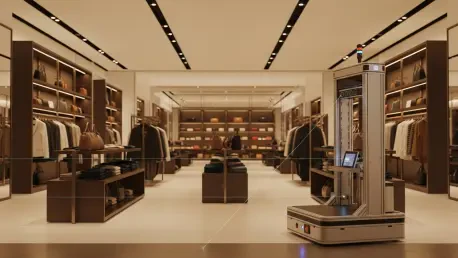
Autonomous scanning robots represent the most prevalent technological choice for large-scale retailers, currently commanding more than half of the total market share for in-store automation. these mobile platforms are equipped with high-resolution cameras, depth sensors, and sophisticated navigation systems like LiDAR, allowing them to traverse complex store layouts without requiring structural modifications. By operating independently during both store hours and overnight shifts, these robots can perform frequent and consistent scans that provide a granular view of shelf conditions. Newer models are specifically designed with long-range battery systems and modular sensors that allow them to function for extended periods, capturing data across thousands of square feet. This mobility is a significant advantage over manual methods, as it ensures that every aisle is inspected multiple times a day without increasing labor costs. As navigation algorithms become more refined, these machines can safely navigate around shoppers and obstacles, making them a seamless addition to the busy retail environment. This autonomous capability ensures that the data gathered is not only frequent but also highly standardized, which is essential for accurate long-term trend analysis.
While mobile robots provide wide coverage, fixed-camera hybrids offer a compelling alternative for monitoring high-velocity areas within a store. These systems involve the strategic installation of cameras directed at specific high-traffic sections, such as dairy, bread, or promotional endcaps, where products frequently sell out within hours. These stationary sensors provide constant, 24/7 observation, alerting staff the moment a specific product threshold is reached. While the initial setup for fixed cameras can be more intensive than deploying a mobile robot, the benefit lies in the immediacy of the data for critical stock items. Another growing trend in this space is the development of multi-purpose robots that can handle diverse tasks like floor scrubbing and spill detection while simultaneously performing inventory scans. By utilizing software that enables a single machine to perform multiple operational chores, retailers can maximize their return on investment and reduce the number of individual devices on the floor. This dual-purpose strategy helps justify the cost of automation by streamlining various maintenance routines into a single, cohesive workflow. This technological versatility is key to widespread adoption, as it allows retailers to choose the specific mix of hardware that best suits their unique store formats and operational needs.
Component Ecosystem: Hardware, Software, and Support
The hardware that comprises the physical body of an inventory robot represents the single largest portion of the initial capital investment for a retailer. This encompasses the durable chassis designed to withstand the wear and tear of a commercial environment, along with high-performance battery systems and the advanced sensors required for safe navigation. Manufacturers are increasingly focusing on making these machines more robust and aesthetically pleasing, ensuring they can operate reliably in public spaces for many years. The quality of the cameras and scanning hardware is particularly vital, as the system must be able to read small barcodes and recognize subtle differences in packaging under varying lighting conditions. As the cost of sensors like LiDAR and high-speed processors continues to decline, more sophisticated hardware is becoming accessible to mid-sized retailers who were previously priced out of the market. This hardware serves as the essential platform upon which the intelligence of the system is built, providing the raw data that will eventually be transformed into actionable business insights through advanced processing techniques.
The software functions as the central intelligence of the robotic system, serving as the bridge between raw visual data and meaningful operational decisions. Modern vision AI utilizes deep learning algorithms to identify gaps on shelves, spot misplaced items, and verify that promotional signage is correctly placed according to corporate mandates. This process is significantly faster and more accurate than manual audits, as the software can compare the real-time state of the shelf against a digital master plan in seconds. This intelligence allows the robot to create an accurate, living map of the store that can be accessed by managers from any location. Beyond simple identification, the software also provides predictive analytics, helping retailers understand when certain products are likely to go out of stock based on historical velocity. This allows for more proactive restocking schedules and better coordination with distribution centers. As software capabilities evolve, these systems are becoming better at handling edge cases, such as recognizing items that are partially obscured or identifying products in unconventional packaging. This layer of digital intelligence is what truly empowers a retailer to move from a reactive posture to a proactive, data-driven approach to inventory management.
Practical Applications: Beyond Simple Inventory Counting
The most immediate and practical application for robotic systems in the retail environment is the automated detection of out-of-stock items. When a robot identifies an empty slot on a shelf, it can instantly generate an alert for the replenishment team, specifying exactly which product is missing and where it is located. This eliminates the need for employees to spend hours walking every aisle to identify gaps, allowing them to focus their energy on the actual task of restocking and assisting customers. By reducing the time an item spends out of stock, retailers can directly increase their sales and improve the overall shopping experience. This automated feedback loop ensures that high-demand products remain available even during peak shopping hours when store staff are often stretched thin. The precision of these alerts also helps in identifying chronic out-of-stock issues that may be caused by supply chain bottlenecks rather than simple restocking delays. Consequently, the robot becomes a critical tool for identifying systemic issues that impact the bottom line, providing the data necessary to hold suppliers accountable or adjust ordering volumes.
In addition to stock detection, robots play an essential role in maintaining planogram compliance and price integrity across the entire store. Planograms are the visual layouts designed by corporate offices to maximize sales through strategic product placement, but maintaining these layouts is notoriously difficult in busy stores where products are constantly moved by customers. Inventory robots can scan shelves and compare the current state of products against the master plan, identifying where items are out of place or where brand-blocking has been compromised. This helps retailers honor agreements with manufacturers and ensures the store remains organized and professional. Furthermore, the robots can verify that the price displayed on the shelf, whether through electronic labels or paper tags, matches the price in the central database. By catching pricing errors before a customer reaches the register, retailers can prevent frustration and protect themselves from potential legal issues regarding pricing accuracy. This holistic approach to shelf management ensures that the store is not only well-stocked but also visually appealing and financially accurate, creating a more reliable environment for both consumers and staff.
Sector Analysis: The Leading Role of Grocery Chains
The grocery sector has emerged as the primary driver of robotic adoption within the retail industry due to its unique combination of high inventory turnover and razor-thin profit margins. Grocers manage thousands of individual items, many of which have short shelf lives and require constant restocking to maintain fresh displays. In such a high-velocity environment, even a minor improvement in shelf availability can lead to a significant boost in overall revenue and customer satisfaction. Regional grocery chains have been particularly aggressive in implementing robotic solutions, using early successes as a blueprint for wider, network-wide rollouts. These companies have found that automated scanning allows them to better manage the complexities of perishable goods and high-demand staples like milk and bread. By providing a real-time view of what is actually on the shelf, robots help grocers minimize food waste and optimize their supply chain logistics. This sector’s reliance on volume and efficiency makes it the perfect testing ground for the latest advancements in robotic shelf monitoring, setting the standard for other retail categories to follow.
Mass merchandise stores and large-scale drug store chains also represent significant growth opportunities for standardized robotics programs. These retailers often have expansive floor plans and a vast diversity of product types, ranging from small cosmetic items to large household appliances, which requires robots that can handle different scanning distances and packaging styles. For mass merchandisers, the challenge lies in the sheer scale of the operation, where manual inventory audits are practically impossible to conduct with any regularity. Robotics provides a scalable solution that can cover hundreds of thousands of square feet in a single night. Conversely, drug stores often look for smaller, more agile systems that can navigate narrower aisles and more crowded merchandising environments. These stores also benefit from the robot’s ability to monitor high-value items and ensure that pharmaceutical-related products are properly stocked and labeled. As retailers in these sectors continue to face labor shortages and increased competition, the business case for automated inventory management becomes increasingly clear. The ability to deploy a consistent technology across hundreds or thousands of locations allows these large organizations to gather centralized data that can be used to optimize national merchandising strategies.
Economic Innovations: The Robot-as-a-Service Model
A major catalyst for the widespread adoption of inventory robotics is the rapid shift toward the Robot-as-a-Service (RaaS) business model, which is expected to dominate the market by the end of the current year. This subscription-based approach allows retailers to access advanced hardware and software without the need for a massive upfront capital investment. Instead of purchasing a fleet of robots outright, companies pay a recurring monthly or annual fee that covers the hardware, software updates, and managed services. This model is particularly attractive because it allows retailers to treat robotics as an ongoing operational expense, making it much easier to fit into existing budgets. Furthermore, RaaS shifts the technical risk away from the retailer and onto the service provider, who is responsible for maintaining the machines and ensuring they remain functional. This ensures that the robot fleet is always running the latest software and that any mechanical issues are addressed quickly by field support teams. By lowering the financial and technical barriers to entry, the RaaS model has opened the door for mid-sized and even smaller retailers to benefit from high-end automation.
The implementation of a subscription-based model also provides retailers with a higher degree of flexibility and scalability as their needs evolve over time. If a retailer opens new locations or decides to increase the frequency of their shelf scans, they can easily scale their service agreement to include more robots or additional data processing capabilities. This ongoing partnership between the retailer and the robotics provider ensures that the technology remains aligned with the store’s operational goals. Moreover, the recurring revenue generated by the RaaS model allows robotics companies to invest more heavily in continuous research and development, leading to faster innovation cycles for the entire industry. Retailers benefit from these improvements immediately through cloud-based software updates that enhance the robot’s ability to navigate or recognize new types of products. This dynamic ecosystem creates a sustainable path for long-term growth, as the technology becomes more efficient and cost-effective with every iteration. As a result, the transition to service-based robotics is not just a financial convenience but a strategic move that ensures retailers stay at the forefront of technological progress without taking on unnecessary risk.
Global Expansion: Regional Growth and Market Influence
The United States currently leads the global market in the adoption of retail robotics, driven by a unique combination of high labor costs, a large network of standardized chain stores, and a strong culture of technological innovation. American retailers have been among the first to recognize that automation is a necessary response to the challenges of managing massive inventories across vast geographic areas. This demand is supported by a robust ecosystem of domestic robotics companies that are pioneering new methods for autonomous navigation and computer vision. In the United States, the focus is often on maximizing labor efficiency and ensuring that store associates are free to assist customers rather than performing repetitive audit tasks. The success of these initial deployments has encouraged a wider acceptance of robotics in the American retail sector, with many major brands now viewing automation as a core component of their long-term growth strategy. This domestic market strength serves as a powerful engine for global innovation, as technologies developed for American retail are being adapted and exported to other regions.
Europe and Japan are also experiencing steady growth in the retail robotics space, though their motivations and implementation strategies often differ from those in North America. European retailers are increasingly focused on improving operational efficiency to manage the logistical demands of a highly fragmented market and the growing pressure of e-commerce. Many European nations also have strict regulations regarding labor and worker safety, which makes the deployment of collaborative robots a particularly attractive solution for reducing the physical strain on employees. In contrast, Japan has a long history of expertise in automation and robotics, which has led to a highly mature market. However, the unique store formats in Japan, which often feature very dense merchandising and narrow aisles, require smaller and more agile robots than those used in the United States. Despite these regional differences, the global trend toward automated inventory management is clear, as retailers everywhere seek ways to improve data accuracy and reduce costs. This international expansion is creating a more competitive global landscape, where innovations from one region are quickly adopted and refined by retailers on the other side of the world.
Market Competition: Industry Leaders and Niche Players
The competitive landscape for retail inventory robotics is characterized by a diverse mix of hardware innovators, software specialists, and integrated solution providers. Market leaders have distinguished themselves by offering comprehensive platforms that combine robust, long-lasting hardware with sophisticated data analytics capabilities. These companies provide a complete ecosystem that handles everything from the physical scanning of the shelf to the delivery of actionable reports to store managers. By offering a “one-stop shop” for retail automation, these industry leaders have set the standard for what a successful robotic deployment should look like. They focus on providing high-quality images and reliable navigation, ensuring that the data gathered is of the highest possible integrity. As the market continues to mature, these established players are increasingly looking to expand their capabilities through strategic acquisitions and partnerships, further solidifying their position at the top of the industry. Their ability to offer global support and scalable solutions makes them the preferred choice for large-scale international retail chains.
In addition to the major integrated providers, the market also features a variety of niche players who focus on specific aspects of the inventory challenge. Some companies specialize solely in high-end image recognition software, offering AI platforms that can be integrated with existing camera systems or third-party robots. Others focus on specialized hardware solutions, such as fixed sensors or robots designed specifically for tracking RFID tags rather than visual barcodes. These niche providers often work in partnership with larger robotics firms or field service companies to provide a more tailored solution for specific retail environments. For example, a retailer that handles a high volume of apparel may prefer a robot optimized for RFID tracking, while a grocer will prioritize visual scanning for fresh produce. This specialized approach allows retailers to build a custom automation strategy that addresses their most pressing needs without investing in unnecessary features. The collaboration between these different types of innovators is a hallmark of the current market, as hardware and software providers work together to create more powerful and flexible systems for the modern retail enterprise.
Human Integration: Cultivating Synergy on the Sales Floor
For retail inventory robots to be truly effective, they must be successfully integrated into an environment shared by both shoppers and store associates. Initial concerns about how customers would react to autonomous machines in the aisles have largely been replaced by a realization that many shoppers view these robots as a sign of a modern and efficient store. Studies have shown that when robots are designed with a friendly or neutral appearance and operate predictably, customers quickly become accustomed to their presence. However, retailers must still take careful steps to ensure that the robots do not impede the shopping experience or create safety hazards in crowded areas. This involves fine-tuning the robot’s navigation algorithms to maintain a respectful distance from people and ensuring that they can communicate their intentions through lights or sound. When these machines operate smoothly, they can actually enhance the shopping experience by ensuring that the products customers are looking for are always in stock and correctly priced, leading to higher levels of satisfaction.
From the perspective of the store workforce, inventory robots are increasingly being viewed as helpful partners rather than a threat to job security. By taking over the tedious and physically demanding task of scanning thousands of shelf items every day, these machines allow store associates to spend more time on activities that require a human touch, such as customer service and complex problem-solving. This shift not only improves overall productivity but also makes retail jobs more engaging and less physically taxing for the employees. Retailers who have been successful in their robotic deployments often involve their staff early in the process, explaining how the data gathered by the robot will make their daily tasks easier. When employees see that the robot is identifying stock gaps they previously had to find manually, they are much more likely to embrace the technology as a valuable tool. This synergy between human workers and autonomous systems is the key to creating a truly efficient modern store, where technology handles the data collection and humans handle the interpersonal and operational nuances that drive sales.
Strategic Integration: Overcoming Initial Implementation Barriers
The successful deployment of retail inventory robots required a multifaceted approach that balanced technical innovation with human-centric operational strategies. Retailers who achieved the best results were those who moved beyond the pilot phase by focusing on the seamless integration of robotic data into their existing warehouse and supply chain management systems. These companies recognized that a robot is only as valuable as the actions taken based on its data; therefore, they established clear protocols for how store associates should respond to automated alerts. By treating the robots not as isolated novelties but as essential data-gathering tools, businesses achieved a level of inventory transparency that was previously considered impossible. This transition also required a cultural shift within organizations, as leadership teams worked to educate their staff on the collaborative nature of human-robot workflows. The most successful implementations focused on high-traffic environments where the robots could provide the most immediate value in restocking and price verification, demonstrating a clear return on investment to stakeholders.
Moving forward, the focus for retail leaders should be on optimizing these robotic fleets to handle increasingly complex store environments and more diverse product ranges. As the technology has matured, the industry has seen a significant reduction in the cost of entry, but the challenge remains in ensuring that the data gathered is used to its full potential. Future strategies will likely involve the use of more advanced AI that can offer even deeper insights into consumer behavior and shelf dynamics. Retailers should consider investing in modular systems that can be updated as new sensors or software capabilities become available, ensuring their fleet remains relevant for the long term. Additionally, fostering a culture of continuous improvement and adaptation will be essential as the retail landscape continues to shift. By prioritizing data integrity and human-machine synergy, companies can ensure that their investment in robotics leads to sustained profitability and a superior shopping experience. Those who took proactive steps to master these automated systems have already secured a significant competitive advantage in the modern marketplace.