
The retail landscape has reached a defining moment where the integration of advanced machine learning models is no longer an optional upgrade but a fundamental requirement for survival. This transformation has moved past simple automation, evolving into a complex system where every customer

Establishing a robust framework for predictive analytics requires moving beyond simple data collection and toward a state of synchronized intelligence that empowers every department to act with precision. This guide provides a comprehensive roadmap for identifying and resolving the structural,
The global retail landscape has entered a definitive era where the once-distinct boundaries between physical storefronts and digital marketplaces have completely vanished into a unified operational model. Retailers are currently navigating a major shift from outdated manual processes to
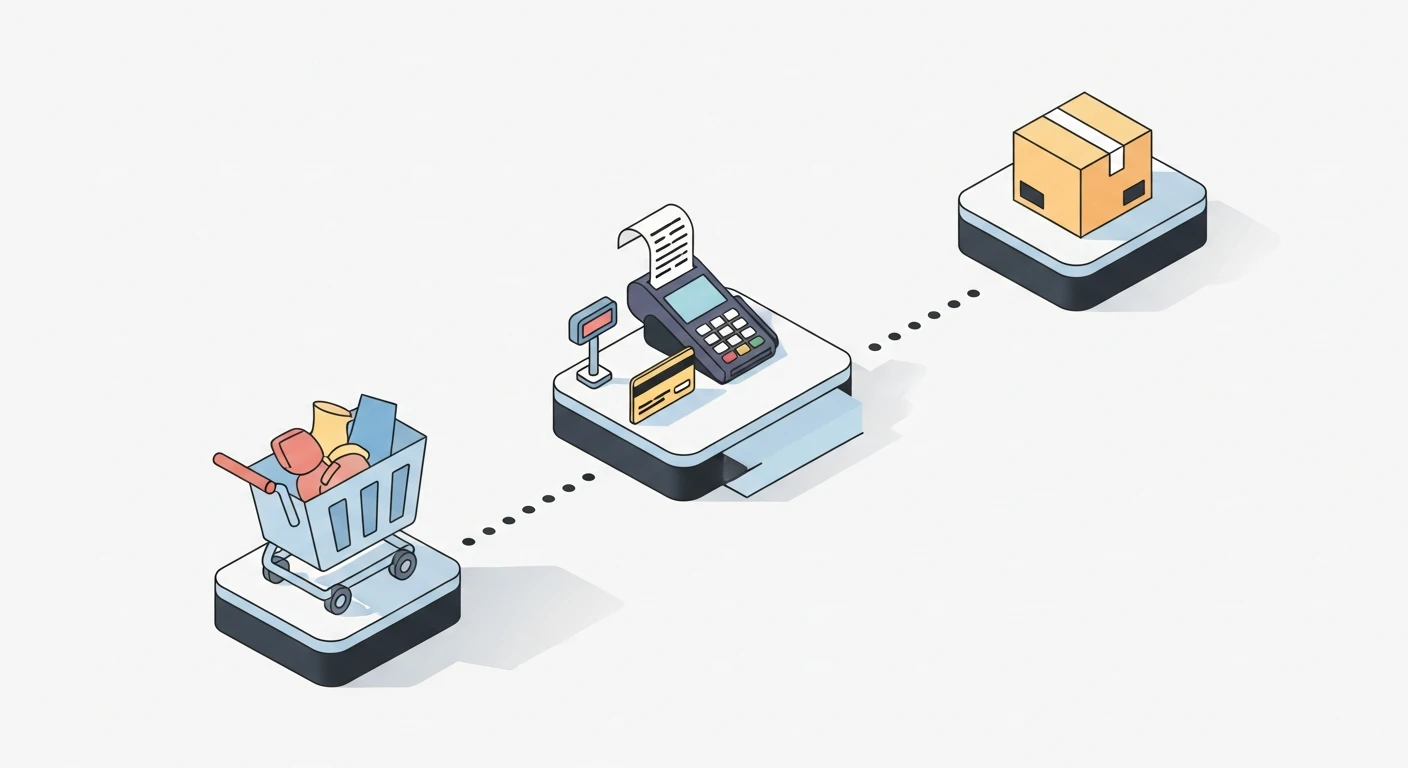
The retail landscape in the modern era has reached a critical juncture where the financial burden of product returns frequently eclipses the profit margins of original sales. As e-commerce continues to dominate consumer habits, the volume of returned goods creates a logistical nightmare that drains

Introduction The traditional retail model is rapidly dissolving as digital storefronts transition from static catalogs into dynamic environments where artificial intelligence dictates the flow of commerce and discovery. This evolution represents a fundamental change in how businesses operate,

Zainab Hussain is a distinguished e-commerce strategist whose work at the intersection of customer engagement and operations management has shaped how brands approach digital transformation. In this discussion, we explore the shift away from isolated automation toward a unified service model that