
Zainab Hussain is a seasoned e-commerce strategist who has navigated the complexities of large-scale retail operations and digital transformations. Today, we delve into the shifting landscape of wholesale distribution, examining how structural optimizations, technological integration like AI, and recovery from systemic disruptions shape the fiscal health of industry leaders. We explore the balance between short-term financial dips and the long-term momentum gained through automation, smarter inventory management, and the pursuit of a massive addressable market.
The retail industry often sees temporary dips in revenue during periods of intense internal restructuring or short-term project cycles. How do you interpret the recent 0.7% decrease in Q4 sales for a major wholesaler, and what does this suggest about the balance between immediate profits and long-term optimization?
A minor dip like the decrease from $7.7 billion to $7.64 billion isn’t necessarily a signal of distress, but rather a calculated trade-off for future stability. When a company undergoes “planned optimization actions,” they are essentially rewiring the engine while the car is still moving, which naturally creates some friction in the short term. You can feel the tension between maintaining the status quo and the aggressive push toward a next-generation supply chain that prioritizes safety and delivery accuracy. For the full fiscal 2026, the 2% drop to $31.15 billion reflects a heavy lifting phase where the organization is shedding inefficiency to build a leaner, more responsive framework. It is a bold move that shows leadership is more concerned with the quality of their $90 billion target addressable market than just chasing top-line numbers for a single quarter.
Looking back at the cybersecurity challenges faced just a year ago, how does a company’s ability to restore core electronic ordering systems impact its relationship with retail partners and its overall market position?
Recovering from a cyber attack is a visceral experience that tests the very foundation of trust between a wholesaler and its grocery store customers. Back in June 2025, the shift to alternative processes to ensure food reached shelves was a high-stakes manual effort that demonstrated incredible operational grit. By the time they safely restored the core systems used by suppliers and retail customers on June 26, the company had proven it could withstand a worst-case digital scenario. This resilience is a powerful selling point because it reassures partners that the supply chain won’t snap under pressure, even when unauthorized activity threatens the network. Now, as they lap that event in 2026, the focus has shifted from mere survival to using that restored infrastructure as a springboard for more automated, reliable service.
The integration of AI into supply chain platforms is no longer just a trend but a necessity for demand planning. In what ways do AI-enabled features specifically help suppliers manage store-level performance and inventory fill rates?
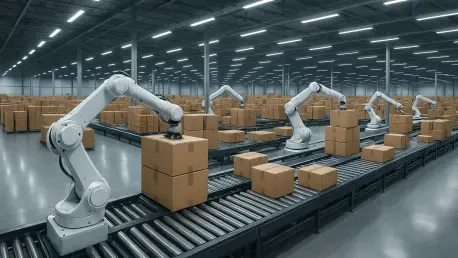
AI acts as the central nervous system of the modern distribution center, turning raw data into actionable foresight that humans simply can’t calculate at scale. By rolling out an AI-powered procurement planning platform across the entire network, the company has seen a tangible boost in free cash flow and inventory management precision. Suppliers can now use these insights to pinpoint exactly where performance is lagging at the store level, allowing for hyper-local adjustments that reduce waste. It’s about moving away from gut feeling and toward a system where robots in places like Joliet, Illinois, are fully packing and moving boxes with surgical accuracy. This level of automation ensures that the right product is in the right place at the right time, which is the ultimate goal for any retail partner.
Beyond software, physical infrastructure changes like facility consolidation and full-case automation are significant undertakings. How do these capital-intensive projects in places like Racine and Joliet translate into actual “operating momentum” for the coming fiscal year?
Consolidating a facility in Racine while expanding another in Joliet represents a strategic shift toward high-density efficiency. By adding full-case automation, where robots move entire boxes rather than individual items, the company drastically reduces the margin for error and the physical strain on the workforce. These projects might feel like a heavy investment today, but they are the primary drivers for reducing operating costs and improving delivery accuracy in 2027. You can see the progress in how these “next-generation” initiatives are steadily improving the safety and quality of the entire network. This physical transformation, paired with AI, creates a competitive moat that makes it much harder for less-automated distributors to keep pace.
What is your forecast for the wholesale distribution sector as it moves deeper into 2027?
I expect to see a significant rebound in revenue growth as the operating momentum from these recent productivity initiatives finally hits its stride. With the Racine facility consolidated and the Joliet expansion providing full-case automation, the cost-to-serve will drop, allowing for more competitive pricing and better margins. The emphasis will shift entirely toward helping partners grow, fueled by a supply chain that is now more a strategic asset than a logistical hurdle. As they move past the noise of restructuring, the focus on the $90 billion addressable market will likely result in much stronger same-store sales and a more stabilized bottom line. The groundwork laid in 2026 has set the stage for a period of robust, technology-driven expansion that will likely outpace competitors who were slower to automate.