
RFID technology is experiencing an 11.6% annual growth rate as major retailers like Walmart integrate digital tracking into their inventory systems, marking a significant departure from the traditional view of packaging as a mere vessel for shipping or a canvas for marketing. By 2026, the global e-commerce packaging market is accelerating toward a projected value of $105.2 billion by 2031, reflecting its newfound status as a critical pillar of retail infrastructure. The industry has moved beyond simple protection, as containers now serve as sophisticated nodes within a complex logistical network. This evolution is driven by the need for greater transparency and speed, forcing manufacturers to reconsider how materials interact with sensors and scanners. As global retail sales approach $35.1 trillion by the end of the decade, the pressure to optimize every square inch of a shipping box has never been higher, turning packaging design into a data-driven science that dictates the overall efficiency of modern commerce.
Integration With Automated Fulfillment Systems
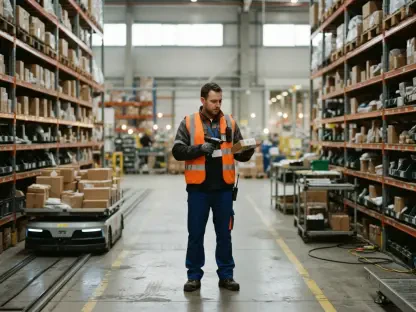
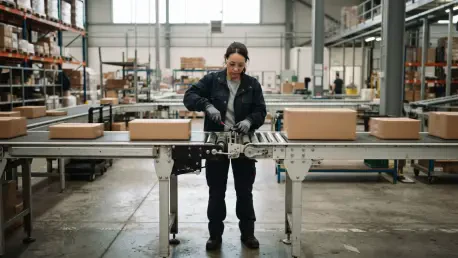
The rapid adoption of robotic picking systems and AI-driven inventory management has necessitated a fundamental redesign of shipping containers to ensure machine compatibility. In modern distribution centers, automated arms and high-speed conveyors require packaging that offers high levels of consistency in terms of weight, grip surface, and machine readability. Variations that a human worker might easily compensate for, such as a slightly crushed corner or a misaligned barcode, can cause significant downtime in an automated environment. Consequently, manufacturers are prioritizing structural integrity and standardized dimensions to facilitate seamless movement through sorting facilities. This shift has led to the development of specialized materials that maintain their shape under the stress of rapid mechanical handling. By focusing on these technical requirements, retailers are ensuring that their packaging facilitates rather than hinders the transition to fully autonomous fulfillment, effectively turning every box into a functional component of the robotics ecosystem.
Building on the need for mechanical efficiency, the industry has embraced right-sizing technology to tackle the chronic problem of air-filled shipping boxes. Advanced systems now allow retailers to create custom-fit packaging in real time, reducing cubic shipment volumes by 30% to 40% compared to traditional stock sizes. This reduction is not merely about saving material; it is a strategic move to optimize cargo space in delivery vehicles and reduce the overall carbon footprint of the last-mile journey. While corrugated cardboard remains the dominant choice for most e-commerce applications, its traditional formats are being challenged by these more efficient, tailor-made alternatives. The implementation of on-demand box-making machinery minimizes the need for void-fill materials like plastic air pillows or foam peanuts, streamlining the assembly process. This precision in packaging design ensures that shipping costs are kept under control while simultaneously meeting the increasing consumer demand for more sustainable and less wasteful delivery practices.
Strategic Evolution and Sustainable Solutions
The industry recognized that traditional packaging strategies were no longer sufficient to meet the demands of a digitized and globalized market. Research indicated that successful suppliers shifted their focus away from merely reducing the unit cost of a single box to demonstrating system-wide value across the entire distribution network. This approach proved that packaging could actively improve production speeds, minimize transit damage, and streamline the flow of goods from the manufacturing floor to the consumer’s doorstep. Throughout the recent transition, the metrics for success became increasingly tied to how well a container facilitated automation and provided actionable data. The most effective partners in this era were those who integrated structural engineering with digital intelligence to solve logistical bottlenecks. This holistic view of the supply chain transformed packaging into a strategic asset that enhanced operational resilience and profitability while addressing the growing complexity of omnichannel retail environments.
Looking ahead, retailers should prioritize the adoption of modular packaging systems that can adapt to the diverse requirements of both brick-and-mortar and e-commerce channels. Investing in interoperable digital tagging standards will be essential for maintaining visibility as products move across international borders and through various third-party logistics providers. Organizations must also collaborate more closely with material scientists to develop next-generation barriers that maintain product freshness while remaining fully compostable or recyclable. The next step in this evolution involves moving beyond passive protection toward active packaging that can sense and respond to environmental changes during transit. By treating packaging as an integral component of the digital twin ecosystem, companies can achieve unprecedented levels of efficiency and waste reduction. Forging long-term partnerships with suppliers who offer integrated technology solutions will ensure that businesses remain competitive in an environment where the box is just as important as the product it contains.