
The invisible architecture of modern commerce is currently being rewritten by an unprecedented surge in digital information that dictates exactly how every single product is manufactured, marketed, and eventually sold to a global audience. The global retail landscape is undergoing a fundamental transformation, shifting from traditional transactional models to data-driven, experiential ecosystems. At the heart of this evolution is the explosion of big data analytics, a sector projected to grow from its current robust standing in 2026 to a staggering $94.16 billion by 2034. This growth represents a compound annual growth rate of over 23 percent, signaling a massive shift in how capital and technology are allocated across the industry. This article aims to explore how the conversion of raw information—derived from point-of-sale systems, social media, and IoT sensors—into actionable intelligence is redefining the industry. By setting a new standard for operational efficiency and consumer engagement, big data is no longer just an optional tool; it has become the primary engine driving modern commerce.
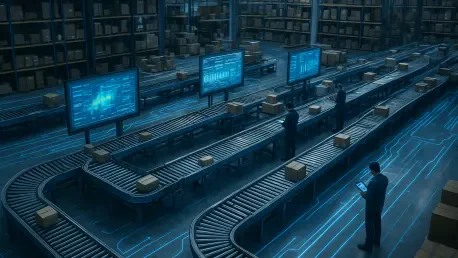
The sheer volume of data being produced today is staggering, with every digital interaction, swipe, and purchase adding to a massive reservoir of consumer insight. Retailers are increasingly moving toward sophisticated platforms that can ingest this information in real-time, allowing for a level of agility that was previously impossible. This transition is not merely about having more information; it is about the ability to process it with enough speed to influence a customer’s decision in the moment. As the market moves toward that $94 billion valuation, the focus is shifting from simple data storage to complex algorithmic interpretation. This involves using machine learning to find patterns that human analysts might miss, such as the subtle correlation between weather patterns and specific grocery purchases or the impact of social media trends on local inventory needs.
Moreover, the relevance of this shift cannot be overstated for businesses struggling to maintain relevance in a saturated market. The transition toward intelligent commerce means that every facet of a business, from the warehouse floor to the digital storefront, must be interconnected. This connectivity allows for a more holistic view of the business, enabling leaders to make decisions based on evidence rather than intuition. As we explore the various facets of this transformation, it becomes clear that big data is the foundational layer upon which the future of retail is being built. The ability to harness this power is what will separate the industry leaders from those who fall behind in an increasingly competitive and digital-first world.
The Dawn: Entering the Intelligent Commerce Era
To understand the current surge in retail analytics, one must look at the industry’s historical transition from reactive to proactive decision-making. Traditionally, retailers relied on “batch processing,” where sales data was reviewed at the end of a day or week to determine inventory needs. This method was inherently slow, often leading to stockouts or overstock situations because the data was already outdated by the time it was acted upon. The rise of e-commerce and the subsequent “data exhaust” generated by digital footprints necessitated a shift toward real-time processing. This move allowed retailers to see what was happening in their stores and on their websites as it occurred, fundamentally changing the rhythm of the industry.
Past developments, such as the initial integration of loyalty programs, laid the groundwork for modern data collection. These programs were the first attempt to systematically track individual customer behavior over time, providing a glimpse into the power of personalized marketing. These foundational concepts matter today because they highlight the shift from simply tracking what was sold to understanding why a consumer chose a specific product, marking the birth of the “intelligent” retail environment. By understanding the motivations behind a purchase, retailers could begin to predict future behavior, moving away from a purely historical view of their operations.
Furthermore, the technological infrastructure of the past often consisted of siloed systems that did not communicate with one another. The inventory system was separate from the sales system, which was separate from the customer database. The dawn of the intelligent commerce era was defined by the breaking down of these barriers. The integration of these disparate data sources into a single “source of truth” allowed for a much more accurate and comprehensive view of the business. This systemic change was a prerequisite for the advanced analytics we see today, providing the clean and structured data necessary for modern AI models to function effectively.
This historical context is vital for understanding that the current state of retail analytics is not a sudden phenomenon but the result of decades of incremental progress. The transition from physical ledgers to digital databases, and from digital databases to cloud-based real-time streams, represents a logical progression toward greater efficiency. As we look forward from 2026, it is clear that the industry has moved past the experimental phase of big data. It is now in a phase of deep integration, where data is the bloodline of the corporate body, informing every heartbeat of the retail process.
Evolution: Moving From Cash Registers to Real-Time Data Streams
The transition from traditional cash registers to sophisticated real-time data streams has been one of the most disruptive shifts in the history of retail. In the older model, the point-of-sale system was merely a tool for processing transactions and recording revenue. Today, the point of sale is a critical data ingestion point that feeds into a larger ecosystem of analytics. Every item scanned provides immediate information about inventory levels, consumer preferences, and the effectiveness of current promotions. This shift has turned the checkout counter into a source of intelligence that can trigger automated responses across the entire supply chain.
Moreover, the arrival of high-speed internet and cloud computing has enabled this data to be processed instantly. Instead of waiting for a nightly report, managers can now monitor store performance via mobile dashboards in real-time. This allows for immediate course correction; if a specific item is selling faster than expected due to a local event or a viral social media post, the retailer can adjust pricing or restock the shelves before the opportunity is lost. This level of responsiveness was unimaginable in the era of manual inventory counts and paper-based reporting, highlighting how much the industry has evolved.
The move toward data streams also encompasses more than just sales figures. Modern retailers are tracking “path-to-purchase” data, which includes how a customer moves through a physical store or how many times they click on a digital ad before making a purchase. This stream of behavioral data provides a much richer context than a simple transaction record. It allows retailers to understand the friction points in the shopping experience, such as a confusing store layout or a slow checkout process on a mobile app. By identifying and removing these obstacles, companies can significantly improve the customer experience and drive higher sales.
Finally, this evolution has democratized data within retail organizations. Previously, only high-level executives or specialized analysts had access to deep insights. Now, with user-friendly visualization tools and real-time streams, store-level employees can access the information they need to perform their jobs better. A department manager can see which items are trending and adjust their displays accordingly, while a customer service representative can see a shopper’s entire history to provide more personalized assistance. This widespread access to data has turned every employee into a potential data-driven decision-maker, further accelerating the industry’s transformation toward total intelligence.
Foundations: The Pillars of Modern Retail Intelligence
Individual Precision: The Power of Hyper-Personalization and “Segments of One”
In the contemporary retail environment, generic marketing has become largely ineffective. Retailers are now utilizing big data to create “segments of one,” where browsing history, past purchases, and even the duration of time spent on a digital product page are analyzed to deliver tailored recommendations. This level of granularity significantly boosts conversion rates and fosters long-term customer loyalty. For example, industry leaders like Amazon utilize real-time data streams to adjust suggestions instantly, a practice that has become the gold standard for the industry. This is not just about suggesting similar products; it is about predicting what a customer might need next based on a complex web of behavioral signals and historical patterns.
The technology behind this hyper-personalization involves sophisticated machine learning algorithms that can process millions of data points in milliseconds. These systems can identify subtle patterns, such as a customer who only buys organic products on weekends or a shopper who consistently responds to email promotions sent at a specific time of day. By tailoring the shopping experience to these individual quirks, retailers can create a sense of personal connection that was previously only possible in small, local boutiques. This digital intimacy is a powerful tool for driving engagement in an era where consumers are bombarded with thousands of marketing messages every day.
While the benefits of increased sales are clear, retailers must balance this with the challenge of “creepy” marketing, ensuring that personalization adds value without intruding on consumer comfort. There is a fine line between a helpful recommendation and an invasive display of knowledge about a customer’s private life. To navigate this, many companies are adopting a policy of transparency, clearly explaining how data is used and giving customers control over their personal information. Those who master this balance can build a deep sense of trust with their audience, turning data into a bridge rather than a barrier.
Furthermore, hyper-personalization extends beyond digital advertisements to the physical store environment. Some retailers are experimenting with digital signage that changes based on who is standing in front of it, or mobile apps that send personalized discounts as a customer walks through specific aisles. This integration of digital intelligence into the physical world is the next step in the evolution of the “segment of one” philosophy. It ensures that no matter where a customer interacts with a brand, the experience is uniquely theirs, making every interaction feel meaningful and relevant.
Frictionless Shopping: Optimizing the Omnichannel Experience
Retailers are moving away from treating online and offline channels as separate entities, aiming instead for a unified omnichannel ecosystem. Big data analytics acts as the glue that connects these disparate touchpoints, ensuring that a customer who researches a product on a mobile app receives a consistent experience when they visit a physical store. This integration allows for real-time inventory visibility and dynamic pricing across all platforms. A shopper can check their phone to see if an item is in stock at a nearby location, purchase it online, and pick it up thirty minutes later, all while receiving a loyalty discount that was automatically applied to their digital wallet.
However, the complexity of merging legacy systems with modern cloud-based platforms remains a significant hurdle. Many older retailers are still struggling with “data silos,” where their website and their physical stores operate on different databases. This can lead to frustrating customer experiences, such as an item being listed as “in stock” online when it has already been sold in the store. Bridging this technical gap requires a significant investment in modern infrastructure, but the payoff is a seamless experience that meets the high expectations of the modern consumer. Those who fail to integrate their channels risk losing customers to more agile, digital-native competitors.
The omnichannel approach also provides retailers with a more comprehensive view of the customer journey. By tracking interactions across multiple platforms, companies can identify which touchpoints are most effective at driving sales. For example, they might find that a customer typically sees an ad on social media, visits the website to read reviews, and then goes to the store to make the final purchase. Understanding this path allows for more effective allocation of marketing budgets and better store design. It turns the physical store into a strategic asset that complements the digital experience rather than competing with it.
Moreover, the rise of “just-walk-out” technology and automated checkouts is further blurring the lines between online and offline shopping. These systems rely on a massive amount of data from cameras and sensors to track what customers are doing in real-time. This data not only facilitates the transaction but also provides invaluable insights into how customers browse and interact with products on the shelf. This level of detail was previously only available for online shopping, but big data is now bringing that same level of analytical rigor to the brick-and-mortar world, creating a truly unified shopping experience.
Operational Strength: Revolutionizing Supply Chain and Logistics Resilience
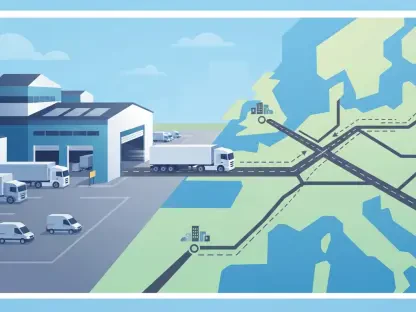
While customer-facing analytics often grab the headlines, the backend revolution in supply chain management is equally transformative. Retailers are increasingly using predictive analytics to anticipate disruptions, optimize warehouse locations, and manage “last-mile” delivery with surgical precision. The shift toward hyperlocal analytics—processing data at a neighborhood level—allows companies to stock micro-warehouses based on specific local demand. For instance, if data shows a high concentration of fitness enthusiasts in a particular urban area, the local fulfillment center can prioritize athletic gear and health supplements, drastically reducing delivery times and costs.
This focus on logistics is particularly important in an era of global volatility, where shipping delays and raw material shortages are common. Predictive models can analyze everything from weather patterns to geopolitical events to identify potential risks before they impact the bottom line. By having this foresight, retailers can diversify their suppliers or adjust their inventory levels to mitigate the impact of a disruption. This resilience is a key competitive advantage, as it ensures that the retailer can continue to meet customer demand even when the global supply chain is under stress.
Despite the clear advantages in efficiency, this approach requires high levels of data accuracy and sophisticated algorithmic modeling to prevent overstocking or stockouts in a volatile global market. The “bullwhip effect,” where small changes in consumer demand lead to large fluctuations in inventory orders, remains a constant challenge. To combat this, retailers are using machine learning to create more accurate demand forecasts that take into account a wider range of variables. This allows for a leaner supply chain that is both more efficient and more responsive to the needs of the market.
Additionally, the optimization of the “last mile” is a major area of focus for big data. Delivery is often the most expensive and complex part of the retail process. By using route-optimization algorithms and real-time traffic data, companies can ensure that their delivery vehicles are as efficient as possible. Some are even experimenting with autonomous drones and sidewalk robots, all of which rely on massive amounts of data to navigate the world safely. These innovations are not just about speed; they are about reducing the environmental impact of retail by minimizing unnecessary mileage and optimizing fuel consumption.
The Horizon: Emerging Frontiers and Technological Shifts
The future of retail analytics is being shaped by the convergence of the Internet of Things (IoT) and Artificial Intelligence (AI). We are seeing a move toward autonomous store operations, where computer vision and weight sensors on shelves eliminate the need for traditional checkouts. This trend is not just about labor savings; it is about the massive amount of data these systems generate. Every movement in the store is tracked, providing an unprecedented look at how customers interact with displays, which items they pick up and put back, and how long they spend in each section. This data is a goldmine for retailers looking to optimize their store layouts and product assortments.
Furthermore, sentiment and emotion-based analytics are emerging as a new frontier, allowing retailers to gauge shopper frustration or excitement through audio and facial recognition technology. While this raises significant privacy concerns, the potential benefits for customer service are substantial. If a system detects that a shopper is confused at a self-checkout kiosk, it can automatically alert a staff member to provide assistance. This proactive approach to customer service can turn a potentially negative experience into a positive one, building brand loyalty in the process. As AI becomes more sophisticated, these systems will be able to interpret increasingly subtle cues, making the shopping experience feel more human and responsive.
Regionally, the “mobile-first” economies of Asia-Pacific, particularly China and India, are leading this charge with “Super Apps” that integrate social media, payments, and shopping into a single, massive data ecosystem. These platforms provide a level of data integration that is currently unmatched in the West, allowing for a 360-degree view of the consumer’s life. In India, the explosion of quick-commerce has forced retailers to master hyperlocal logistics, delivering groceries and household items in under fifteen minutes. This requires an incredibly sophisticated data infrastructure that can predict demand at the street level and manage a fleet of thousands of delivery riders in real-time.
As 5G technology matures throughout 2026 and beyond, the speed and volume of data processing will likely lead to even more speculative innovations, such as holographic shopping assistants and fully automated replenishment systems. These assistants could provide personalized fashion advice in a customer’s living room, using data from their digital wardrobe and current fashion trends. Automated replenishment could mean that a smart refrigerator orders milk before the user even realizes they are low, based on their historical consumption patterns. These developments will further blur the line between our physical lives and the digital data that surrounds us, making shopping a truly invisible and effortless part of the daily routine.
Strategic Execution: Navigating the Path to Data-Driven Success
For businesses looking to thrive in this new era, the focus must shift from data collection to data utilization. A major takeaway for professionals is the necessity of breaking down “data silos” within an organization to create a single source of truth. Without a unified data structure, even the most advanced AI models will struggle to provide accurate insights. Strategies should include investing in cloud-based deployment for scalability and prioritizing “clean” data to ensure the accuracy of AI models. This often requires a significant cultural shift, moving away from a reliance on intuition and toward a culture that values evidence and experimentation.
For smaller enterprises, the democratization of data through subscription-based SaaS models provides a unique opportunity to compete with industry giants by using “lite” analytics tools for targeted social media campaigns. These tools allow small businesses to identify their most valuable customers and reach them with personalized offers without the need for a massive IT budget. This leveling of the playing field means that even a local boutique can use big data to optimize its inventory and drive sales. The key for these smaller players is to focus on the data that matters most to their specific business, rather than trying to track everything at once.
Best practices also dictate a “privacy-by-design” approach, ensuring compliance with global regulations like GDPR to maintain consumer trust while reaping the benefits of big data. This involves being proactive about data security and being transparent with customers about how their information is collected and used. Retailers should view privacy not as a hurdle to be cleared, but as a core component of their brand value. In an era of frequent data breaches, the companies that can demonstrate a commitment to protecting their customers’ data will have a significant competitive advantage.
Finally, the most successful retailers will be those that view data as a continuous loop of learning rather than a one-time project. This means constantly testing new hypotheses, measuring the results, and refining their strategies based on what the data shows. It also requires a commitment to ongoing training for employees, ensuring that everyone in the organization has the skills they need to understand and act on data-driven insights. By fostering a culture of curiosity and continuous improvement, retailers can ensure that they stay ahead of the curve in an industry that is changing faster than ever before.
Summary: The Long-Term Significance of the Intelligence Revolution
The retail sector entered this golden age of intelligence with a clear mandate to move beyond the limitations of the past. Big data analytics redefined every facet of the industry, from the way products were conceptualized and manufactured to the precise moment they were delivered to a customer’s doorstep. This revolution was not merely about the adoption of new software; it represented a fundamental shift in the philosophy of commerce. The industry transitioned from a model of mass production and generic marketing to one of individual precision and real-time responsiveness. This change allowed retailers to operate with a level of efficiency that was previously thought impossible, reducing waste and increasing value for both the business and the consumer.
The long-term significance of this transformation lay in its ability to turn the shopping experience into something predictive, personalized, and profoundly efficient. As the distinction between technology companies and traditional retailers continued to blur, the ability to harness data became the central pillar of corporate strategy. Organizations that successfully navigated this transition were able to build deeper, more meaningful relationships with their customers by anticipating their needs and exceeding their expectations. The data provided a window into the human element of commerce, allowing businesses to understand the emotions and motivations that drove every purchase. This insight was the key to creating experiences that resonated on a personal level, fostering a sense of loyalty that transcended price and convenience.
Ultimately, the move toward data-driven retail proved to be a prerequisite for survival in a volatile global market. The ability to pivot quickly in response to changing consumer trends or supply chain disruptions was what allowed the most resilient companies to thrive. By turning information into intuition, these businesses ensured that the right product always found the right customer at exactly the right time. The legacy of this intelligence revolution was a retail landscape that was smarter, faster, and more attuned to the needs of the individual than ever before. This era of hyper-efficiency and hyper-personalization set a new baseline for excellence, ensuring that data remained the most valuable commodity on the shelf for generations to come.