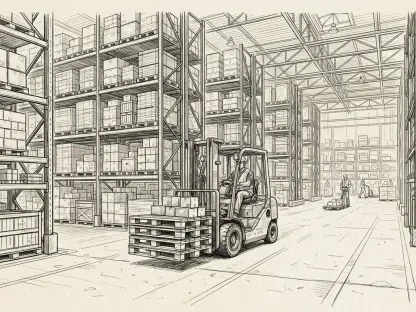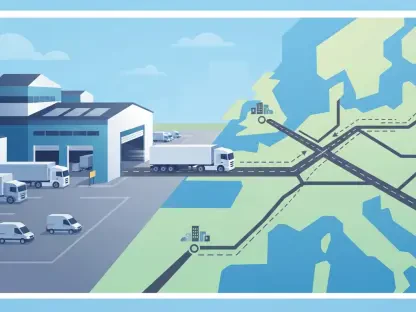
The moment a consumer triggers an online transaction, the subsequent performance of the distribution center becomes the most critical determinant of brand loyalty and perceived corporate value. In the current retail environment of 2026, the traditional view of the warehouse as a passive storage site has become obsolete. This report examines the industry’s elevation of logistics from a back-end utility to a primary marketing asset. Today, the sector encompasses a vast ecosystem of automated fulfillment centers, hyper-local micro-hubs, and tech-driven third-party logistics providers. These entities define the scope of modern commerce, ensuring that the promise made on a digital storefront is physically fulfilled with precision.
Strategic significance in this field is no longer measured solely by square footage but by the seamless integration of digital and physical assets. Major market players are prioritizing localized distribution to reduce transit times and lower the carbon footprint of individual shipments. Technological influences, particularly the deployment of artificial intelligence in inventory placement, have changed the competitive landscape. Regulations regarding labor safety and environmental impact now dictate operational standards, forcing brands to view their supply chains as extensions of their ethical and social identities.
The Transformation of Fulfillment into a Strategic Retail Powerhouse
Modern fulfillment has moved to the center of corporate strategy as retail brands recognize that speed and accuracy are the primary drivers of customer retention. The industry currently splits into several key segments, including large-scale regional hubs that manage bulk inventory and smaller, urban delivery centers designed for rapid turnover. This tiered approach allows retailers to balance the high costs of urban real estate with the necessity of reaching customers within hours rather than days. The influence of global market players has shifted toward decentralized models that prioritize agility over centralized storage.
Technological sophistication acts as the engine of this powerhouse, with machine learning algorithms predicting demand patterns to prevent stockouts before they occur. These advancements are complemented by a strict regulatory environment that demands transparency in every step of the logistics journey. From 2026 to 2029, compliance with new international standards for warehouse automation safety will be a major focus for investment. These regulations ensure that the integration of robotics does not compromise human safety, creating a more sustainable and reliable workforce.
The Shift from Storage Hubs to Experience Centers
Evolution of Omnichannel Fulfillment and Consumer Expectations
The convergence of physical and digital shopping has created a demand for omnichannel fulfillment that moves inventory fluidly across multiple sales channels. Consumers now expect a unified experience where they can purchase an item on a mobile app and receive it from a local store or a regional warehouse without friction. This behavioral shift has turned the warehouse into an experience center where the focus is on the speed and quality of the final handoff. Emerging technologies like augmented reality for order picking are reducing errors, ensuring that the consumer receives exactly what was advertised.
Market drivers are increasingly focused on the personalization of the fulfillment process. Shoppers are looking for customization, such as sustainable packaging or specific delivery windows, which requires a highly flexible warehouse operation. This trend offers new opportunities for brands to distinguish themselves through the unboxing experience, which has become a vital marketing touchpoint. As warehouses take on these complex tasks, they stop being mere storage facilities and start functioning as high-tech production sites tailored to individual consumer desires.
Quantifying the Impact of Logistics on Brand Performance
Data from the first half of 2026 indicates a direct correlation between logistics efficiency and brand health indicators like Net Promoter Scores. Growth projections suggest that the global warehousing market will see a significant expansion in investment between 2026 and 2030, driven by the need for advanced automation. Performance indicators now include metrics like the perfect order rate and the speed of the return-to-shelf cycle. Brands that maintain a high level of fulfillment accuracy see a measurable increase in lifetime customer value compared to those with inconsistent delivery records.
Forward-looking forecasts suggest that by the end of the current decade, the logistical capability of a company will be a more accurate predictor of stock market performance than its advertising budget. This shift is already visible as investors scrutinize the resilience of supply chains during periods of high demand. The ability to scale operations rapidly without increasing error rates has become the gold standard for operational excellence. As data continues to show that reliable fulfillment builds trust, the warehouse is being repositioned as the true architect of the modern brand relationship.
Navigating Operational Friction and Economic Volatility
The industry faces substantial obstacles related to rising energy costs and the scarcity of skilled labor in key logistics corridors. These challenges are exacerbated by economic volatility, which makes it difficult to forecast long-term capital expenditures for new facility construction. To overcome these hurdles, many companies are adopting modular automation systems that allow for incremental scaling rather than massive, one-time investments. This strategy provides the flexibility needed to navigate fluctuating interest rates while maintaining a commitment to technological advancement.
Moreover, the physical constraints of urban infrastructure present a persistent challenge for last-mile delivery. Potential solutions include the repurposing of underutilized retail spaces into micro-fulfillment centers that sit closer to the end consumer. By utilizing data-driven site selection, retailers can minimize the friction caused by traffic congestion and rising fuel prices. Strategically managing these operational pressures requires a blend of innovative real estate utilization and advanced route optimization software to keep fulfillment costs manageable.
Adapting to the Global Regulatory and Security Environment
The regulatory landscape is becoming increasingly complex as governments introduce stricter standards for data privacy within automated warehouses. Significant laws now govern how worker data is collected and used by performance-tracking software, impacting how operations are managed. Compliance with these standards is not only a legal necessity but a critical component of maintaining a positive corporate reputation. Furthermore, security measures have expanded to include robust cybersecurity protocols for warehouse management systems that are vulnerable to digital disruptions.
Security in the physical realm is also being upgraded through integrated surveillance and access control systems that protect high-value inventory. Industry practices are shifting toward a total security model that encompasses both the digital and physical integrity of the goods. This holistic approach ensures that the supply chain remains a secure link between the brand and the buyer. As international trade agreements evolve, the role of compliance in navigating tariffs and customs regulations will remain a top priority for global retail entities.
The Horizon of Smart Distribution and Autonomous Infrastructure
Looking ahead from 2026, the industry is moving toward a state of near-total autonomy in specific distribution segments. Emerging technologies like autonomous mobile robots and self-driving delivery vehicles are expected to redefine the movement of goods from 2026 to 2031. These innovations will likely act as market disruptors, allowing smaller brands to compete with established giants by lowering the cost of high-speed delivery. Consumer preferences for immediate gratification will continue to push the boundaries of what is logistically possible, driving further innovation in drone technology.
Future growth areas will likely include the development of circular economy logistics, where warehouses are designed to handle returns and repairs as efficiently as new shipments. This transition toward sustainability is influenced by both consumer demand and global economic conditions that favor resource efficiency. Smart distribution will prioritize the reduction of waste through smarter packaging and more efficient transport routes. As these technologies mature, they will create an infrastructure that is not only faster but also significantly more resilient to external shocks.
Final Assessment: Embracing the Warehouse as a Brand Architect
The findings of this report established that the warehouse was no longer a secondary consideration in the retail strategy but the primary engine of brand identity. The transition from 2026 showed that companies which integrated advanced logistics into their brand narrative achieved superior customer loyalty. Analysis indicated that fulfillment performance was the most tangible representation of a brand’s promise, turning every delivery into a moment of brand reinforcement. Success necessitated a shift in investment, moving away from traditional media and toward the physical infrastructure that supported the consumer experience.
Future strategies should prioritize the development of interoperable logistics software and the adoption of flexible automation to maintain a competitive edge. It was clear that the warehouse became a strategic asset that required continuous innovation to meet the escalating demands of the global market. Retailers were encouraged to view their fulfillment operations as a source of data-driven insights that could inform product development and marketing tactics. Ultimately, the report concluded that the most successful brands were those that recognized the warehouse as the new face of modern retail.