
The primary value proposition of Muse lies in its capacity to handle labor-intensive digital errands and navigate the complexities of fragmented retail sectors. This represents a monumental pivot in the evolution of artificial intelligence, moving away from the static, conversational models of

Retailers now navigate a landscape where thirteen competing priorities demand simultaneous mastery, transforming the traditional linear shopping journey into a complex web of instant interactions and high-definition experiences. The luxury of focusing on a single marketing channel or a specific

The collision of hyper-selective consumerism and volatile global supply chains has reached a critical boiling point, forcing brand manufacturers to abandon outdated, reactive shelf management in favor of autonomous, real-time intelligence. Currently, in 2026, retailers face a consumer base that is
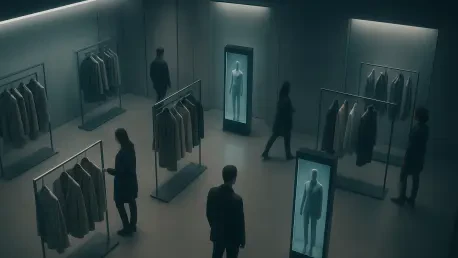
The persistent gap between what retailers believe is on their shelves and the actual inventory available to customers has created a trillion-dollar inefficiency that traditional point-of-sale systems simply cannot solve alone. This Multi-Shopper Retail AI represents a critical pivot in the physical

Navigating the complex interplay between technological automation and the irreplaceable human touch requires a leadership philosophy that prioritizes psychological safety and operational clarity over the traditional pressure of monthly revenue targets. In the current business environment of 2026,

The landscape of digital retail is undergoing a seismic shift, moving beyond simple online storefronts toward a sophisticated, automated ecosystem where algorithms facilitate the majority of transactions. As modern companies launch comprehensive AI commerce operating systems, the industry is