
System stability and data governance are the primary factors that determine whether a brand can support autonomous commerce over time. As digital storefronts evolve into ecosystems managed by automated agents, the necessity for a standardized evaluation framework has become undeniable. Shopware has

Fragmented financial systems often prevent retailers from scaling efficiently due to the technical overhead required to manage multiple third-party payment providers. In the rapidly evolving British commerce sector, the necessity of maintaining a lean operational model while simultaneously
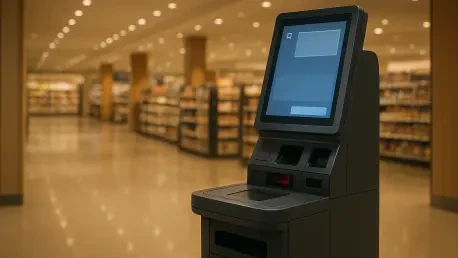
A single supermarket transaction in Belgrade now triggers a highly synchronized sequence involving barcode scanning, weighing scales, loyalty verification, and real-time tax reporting. This operational complexity highlights how far the Serbian retail technology sector has progressed, transitioning

The digital storefront has evolved into a relentless, multi-channel entity that demands attention every second, yet many marketing teams still feel as though they are paddling a rowboat in a hurricane. For years, the barrier between a customer and a brand was a simple transaction; today, that

The New Frontier: Autonomous Shopping and Digital Intermediation The traditional barrier between digital discovery and financial completion is rapidly evaporating as autonomous software entities begin to manage the intricate nuances of personal procurement. In the current retail environment of

The traditional boundaries defining where a storefront ends and a software platform begins have blurred beyond recognition as global commerce undergoes its most radical architectural overhaul in decades. Retailers are no longer just merchants of physical goods; they are evolving into sophisticated