

Zainab Hussain is a seasoned e-commerce strategist who has spent years at the intersection of digital innovation and physical store operations. Known for her pragmatic approach to retail technology, she specializes in bridging the gap between high-level corporate strategy and the day-to-day

The seamless integration of digital perception into the tactile reality of manual labor has fundamentally altered the paradigm of how global enterprises manage their most complex operational workflows. Unlike the previous wave of artificial intelligence that focused on generating text or images,

The rapid expansion of global e-commerce has fundamentally reshaped how consumers interact with international markets, bringing both unprecedented convenience and significant regulatory challenges. As the digital marketplace continues to evolve in 2026, platforms are under increasing pressure to
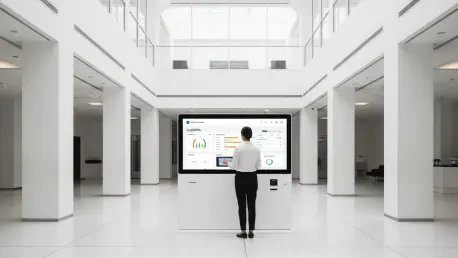
The rapid acceleration of artificial intelligence across the global retail landscape has created a peculiar environment where massive infrastructure spending coexists with some of the lowest customer sentiment scores recorded in recent history. While service leaders have spent the better part of
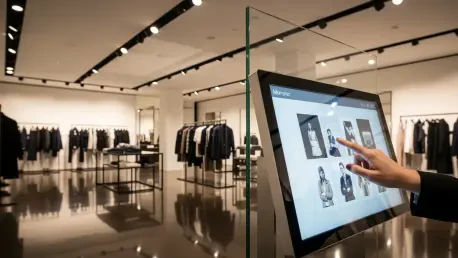
The once-rigid boundary separating the click-through efficiency of online shopping and the tactile warmth of a physical store has finally dissolved into a new paradigm of intelligent commerce. ExperienceMINT has introduced ELEVATE, an advanced retail platform designed to transport the analytical

The rapid shift from simple keyword matching to deep contextual understanding has fundamentally changed how the modern consumer interacts with the vast landscape of digital commerce today. Conventional e-commerce search often feels like a frustrating barrier rather than a helpful guide. While