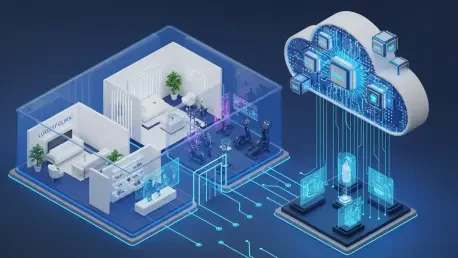

The current transformation of the shopping mall into a multi-dimensional lifestyle ecosystem represents the most significant shift in physical commercial real estate witnessed in the modern industrial era. Physical storefronts no longer operate as isolated silos of commerce but instead function as the connective tissue between digital discovery and tangible fulfillment. The present retail landscape demands that every square foot of floor space provides measurable value through radical improvements in personalization and flexibility. This guide explores the strategic maneuvers necessary to navigate this new era where the mall serves as a high-impact growth engine rather than a mere inventory warehouse.
Retailers are presently re-evaluating their presence within these environments to align with consumers who prioritize experience over simple acquisition. The transition involves a comprehensive overhaul of traditional business models, moving from a volume-based transactional approach to a qualitative focus on brand engagement. By analyzing current market dynamics, organizations can reposition their physical assets to serve as hubs for social interaction and technological integration. The following sections provide a detailed roadmap for mastering this metamorphosis and securing a competitive advantage in an increasingly complex marketplace.
Analyzing the Great Divide: Why Quality and Mixed-Use Integration Matter More Than Ever
The current retail climate is defined by a distinct divergence in real estate performance, often referred to as the great divide. High-performing Class A properties in densely populated urban centers continue to see record-high occupancy rates while lower-tier malls struggle with obsolescence. Data from the recent period spanning 2026 toward 2028 indicates that the survival of a shopping center depends almost entirely on its ability to integrate diverse services that go beyond traditional retail. This re-sorting of assets means that success is no longer a given based on location alone; it requires a proactive commitment to maintaining a premium environment that attracts high-value foot traffic.
The integration of mixed-use elements has become the primary differentiator for thriving retail centers. Modern malls now incorporate residential complexes, luxury medical clinics, and professional co-working spaces into their structural footprints. This creates a self-sustaining ecosystem where residents and professionals provide a consistent baseline of visitors who utilize the mall for daily needs and social gatherings. Consequently, the mall has transitioned from a weekend destination into a lifestyle hub that facilitates a continuous loop of activity throughout the entire week.
Furthermore, this shift toward quality forces retailers to be more selective about their physical partnerships. Brands are moving away from widespread expansion in favor of placing high-productivity flagship stores in curated environments. This strategy reduces overhead costs while maximizing the impact of every in-person interaction. When a mall provides a diverse array of services, the retail stores within it benefit from the increased dwell time and higher intent of the visitors. The focus is no longer on attracting anyone who passes by, but on engaging a specific demographic that views the mall as a core component of their daily life.
Executing the Modern Retail Strategy: Five Pillars of Mall Transformation
Step 1: Adopting the Mixed-Use and Lifestyle Model
The modernization of the retail footprint begins with the abandonment of the enclosed box model in favor of open-air lifestyle formats. These environments are designed to mimic the feel of a vibrant city street rather than a sterile shopping center. By prioritizing atmosphere and social engagement, retailers can foster a sense of community that digital platforms cannot replicate. This model emphasizes the creation of public spaces, such as parks and plazas, which serve as natural gathering points for consumers.
Transitioning from Traditional Storefronts to Social Destinations
To successfully transition into a social destination, a brand must rethink the purpose of its interior space. The floor plan should be divided between product displays and interactive zones where customers can gather for workshops, product demonstrations, or social events. This approach shifts the focus from a quick purchase to a long-term relationship, encouraging shoppers to spend more time within the environment. When the store becomes a place for learning and social connection, brand loyalty increases significantly because the consumer associates the location with a positive lifestyle experience rather than a chore.
The store environment must also be flexible enough to accommodate changing community needs and seasonal shifts. Using modular furniture and adaptable lighting allows the space to be reconfigured for evening events or community meetings without disrupting daily operations. By acting as a participant in the local social fabric, the retailer gains a level of relevance that protects it from the fluctuations of the broader economy. This strategy ensures that the store remains a destination of choice regardless of the specific products currently on the shelves.
Step 2: Utilizing Kiosks and Agile Leasing for Market Entry
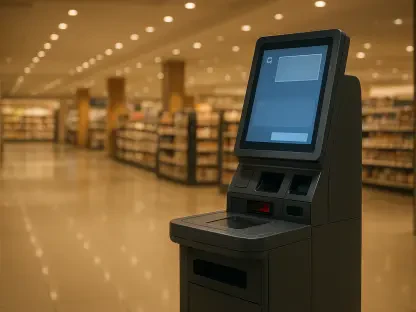
The current era of retail has seen the resurgence of the kiosk as a sophisticated tool for both domestic and international expansion. Modern kiosks are no longer just temporary stands for seasonal items; they are high-tech, micro-retail units that allow brands to establish a physical presence with minimal risk. These units serve as a bridge between a purely digital existence and a full-scale flagship store, providing valuable data on local demand before a brand commits to a long-term lease.
Reducing Risk Through Low-Impact Testing Grounds
Retailers use these smaller footprints to test product-market fit in high-traffic areas without the massive capital expenditure required for a traditional build-out. This agile approach allows for rapid experimentation with different inventory mixes and marketing messages. If a specific product category performs exceptionally well in a kiosk format, the brand can then justify the investment in a permanent location nearby. This micro-retail strategy provides a constant stream of newness for the mall, ensuring that the consumer experience remains fresh and unpredictable.
Moreover, the rise of short-term, pop-up leasing agreements allows brands to capitalize on specific trends or seasonal demand cycles. These flexible arrangements benefit both the mall operator and the tenant by filling vacancies with high-energy activations that drive immediate interest. For a retailer, the ability to enter and exit a market quickly is a powerful competitive advantage, allowing them to remain lean while still capturing the benefits of physical proximity to the consumer. This culture of experimentation is essential for staying ahead of rapidly changing consumer preferences.
Step 3: Unifying Digital and Physical Channels Through Omnichannel Systems
The most successful operators in the present market are those who have mastered a channel-agnostic approach to commerce. A unified omnichannel system is the backbone of modern retail, ensuring that every customer interaction is informed by data from both online and offline touchpoints. This integration removes the friction that often exists when a consumer moves between a brand website and a physical store. By syncing these systems, retailers can provide a personalized experience that feels consistent across all platforms.
Establishing a Single Source of Truth for Global Inventory
A critical component of this unification is the establishment of a single source of truth for inventory management. When a customer checks the availability of an item on their mobile device, the information must be accurate in real-time to avoid the frustration of arriving at a store only to find the product is out of stock. Sophisticated back-end systems now allow a small boutique to function as a gateway to the brand’s entire global catalog. If an item is not physically present on the rack, the associate can instantly order it from another location for home delivery or in-store pickup.
This level of connectivity ensures that no sale is lost due to the physical limitations of the store footprint. Furthermore, it allows retailers to optimize their stock levels based on localized demand patterns, reducing the need for deep discounts to clear excess inventory. The ability to see exactly where every product is located within the global supply chain at any given moment is a fundamental requirement for maintaining operational efficiency. This transparency also builds trust with the consumer, who knows they can rely on the brand to fulfill their needs accurately and quickly.
Step 4: Prioritizing Frictionless Convenience as a Value Proposition
In the present retail environment, convenience has surpassed price as the primary currency for many consumers. Retailers must design their service models to respect the customer’s time and effort by removing every possible barrier to a completed transaction. This involves a shift toward more proactive service models, such as appointment-based shopping, which guarantees the customer dedicated time with a brand expert. By treating convenience as a core value, retailers can differentiate themselves from competitors who still rely on outdated, self-service models.
Scaling BOPIS and Contactless Payment Solutions
The widespread adoption of Buy Online, Pick Up In-Store (BOPIS) and curbside fulfillment has changed the expectations for physical retail. These services are no longer optional additions but are expected as standard features of the shopping journey. Curbside programs are particularly effective for busy consumers who want the speed of online shopping without the delays and costs of traditional shipping. Retailers who invest in dedicated infrastructure for these services, such as designated parking stalls and streamlined pickup counters, see a significant increase in repeat business.
Additionally, the elimination of payment friction through contactless solutions is a baseline requirement for modern operations. The mainstream use of mobile wallets and tap-to-pay technology ensures that the checkout process is as fast and unobtrusive as possible. Some advanced retailers have even implemented walk-out technology that uses sensors to automatically charge a customer’s account, completely removing the need for a traditional checkout line. By focusing on speed and ease of use, brands can improve the overall perception of the shopping trip and encourage more frequent visits.
Step 5: Integrating Immersive Tech and Data-Driven Personalization
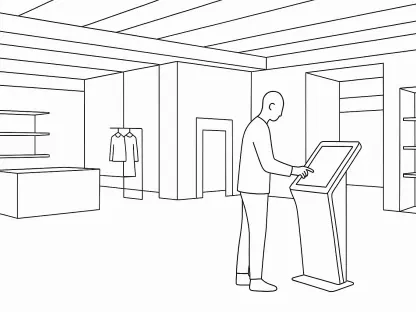
Technology is the bridge that connects the tactile nature of physical shopping with the efficiency of the digital world. Present-day malls function as physical search engines where data-driven insights inform every aspect of the consumer experience. From geofencing that sends personalized alerts to a shopper’s phone as they enter the mall to interactive displays that offer tailored recommendations, technology is used to enhance rather than replace the human element. This integration allows retailers to provide a level of personalization that was previously only possible in an online setting.
Deploying AR Magic Mirrors and Virtual Consultation Tools
Augmented Reality (AR) has become a vital tool for solving common retail challenges such as choice paralysis and hygiene concerns in the beauty and fashion sectors. Magic mirrors allow customers to see how different products would look on them instantly, without the need for physical try-ons or multiple trips to the fitting room. This technology not only speeds up the decision-making process but also makes the experience more engaging and entertaining. It turns the store into a high-tech laboratory where consumers can experiment with different styles in a low-pressure environment.
Virtual consultation tools further extend the reach of the physical store by allowing associates to connect with customers remotely via video chat. This humanized digital approach is particularly valuable for high-consideration purchases where expert advice is needed. An associate can demonstrate the features of a product in real-time and answer specific questions, providing the confidence of an in-person interaction from the comfort of the customer’s home. This strategy effectively expands the store’s influence beyond its physical walls, creating a truly borderless retail experience.
Core Takeaways for the 2026 Retail Landscape
- Operational Agility: The success of a modern retailer depends on the use of unified commerce platforms that sync inventory and customer data across all possible touchpoints to create a seamless journey.
- Experience-First Formats: The outdated philosophy of larger stores being better has been replaced by a focus on high-productivity spaces that prioritize brand storytelling and deep consumer engagement.
- Convenience-Led Services: Providing frictionless options like appointment-based consultations and streamlined payment solutions is essential for meeting the high standards of today’s time-constrained shoppers.
- Mixed-Use Relevance: Physical locations thrive best when they are integrated into diverse environments that offer a combination of dining, residential, and professional services to ensure constant traffic.
Evaluating the Broad Impact of Mall Evolution on Global Commerce
The strategies currently being implemented within the mall ecosystem are exerting a profound influence on the broader retail economy. The hybrid bricks and clicks model has become the global standard, forcing even small independent boutiques to adopt sophisticated digital tools to stay competitive. However, this evolution is not without its challenges, particularly regarding the high cost of redeveloping aging infrastructure to meet modern standards. Mall operators must navigate the complexities of long-term planning and capital investment to ensure their properties remain relevant in a rapidly shifting market.
Moreover, the rise of Retail Media Networks within the mall environment has created a closed-loop data ecosystem that offers unprecedented insights into consumer behavior. By tracking the path from an initial digital ad to a physical store visit and final purchase, brands can measure the effectiveness of their marketing spend with surgical precision. This data-driven approach is redefining how marketing budgets are allocated, with an increasing emphasis on physical floor space as a powerful advertising medium. As these technologies become more integrated, the line between marketing and retail will continue to blur, leading to a more holistic approach to brand management.
Shaping Your Retail Future in an Evolving Mall Landscape
The narrative concerning the decline of traditional shopping centers was definitively replaced by a story of profound evolution and resilience. Retailers that thrived in this environment recognized that physical locations had to serve as multi-purpose hubs for experience, service, and logistics. This transition required a fundamental shift in mindset, moving away from viewing the store as a simple point of sale and toward treating it as a dynamic platform for brand expression. The industry found that by embracing the intersection of digital efficiency and physical presence, it could solve many of the challenges that once seemed insurmountable.
Successful organizations moved aggressively to audit their omnichannel capabilities and reinvested in their physical footprints to better serve the mobile-first consumer. They discovered that the most valuable assets were those that offered a reason to visit that could not be replicated by a computer screen. By focusing on the unique strengths of physical proximity—such as human connection, tactile discovery, and immediate gratification—retailers transformed their mall locations into powerful engines for long-term growth. The commitment to operational agility and customer-centric innovation proved to be the most reliable path to sustaining relevance in a competitive and ever-changing global marketplace.