
Bridging Digital Innovation and Human Connection
Navigating the Paradox: Shared Immersion in VR
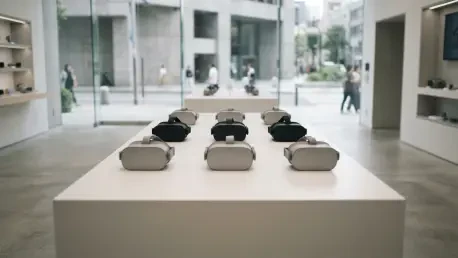
One of the most striking insights shared by Kim Jong-min involves the “shared solitude paradox,” where fans seek a collective experience despite the individual nature of VR hardware. While headsets are inherently designed for a single user, data from recent screenings reveals that fans consistently choose to attend these events in groups rather than using home-based equipment alone. This behavior highlights a fundamental cultural truth within the K-pop industry: the overwhelming desire for community and shared emotional resonance. By creating physical spaces where fans can wear headsets simultaneously, LYNKPOP provides the social atmosphere typical of traditional concerts while maintaining the visual fidelity of a private screening. This setup allows audiences to feed off each other’s energy and excitement, effectively turning a digital solo journey into a communal celebration that reinforces their identity as part of a global fandom, which is essential for long-term loyalty in the music business.
The Visual Connection: Enhancing Artist Intimacy
Beyond the communal aspect, the specific proximity offered by VR technology serves as a major driver for fan engagement. In a standard stadium concert, the vast majority of attendees are situated hundreds of feet away from the performer, often relying on giant LED screens to see the artists’ faces. Through the specialized VR technology used by LYNKPOP, fans can experience perceived eye contact with stars such as (G)I-DLE or Stray Kids at a distance that feels like mere inches. This level of intimacy is something that even the most expensive physical front-row seat cannot replicate, creating a powerful emotional impact that resonates long after the headset is removed. Kim Jong-min described this relationship between digital and physical engagement by stating that short-form content acts as the door, while the physical space serves as the home. This philosophy suggests that while social media draws fans in, these immersive locations provide the deep connection they crave.
Revolutionizing Global Retail Through K-Pop
Urban Deployments: Targeting Major Commercial Hubs
For the ongoing 2026 retail tour, Studio Realive has focused its efforts on major commercial districts in Tokyo, Osaka, Shanghai, and Hong Kong. In Japan, the company is utilizing department store basements and station-side complexes to host Stray Kids screenings, tapping into one of the most dedicated K-pop markets in the world. Meanwhile, in Shanghai and Hong Kong, shopping malls are being used to host (G)I-DLE concerts, with tickets sold through highly accessible local channels such as travel-booking apps and convenience stores. This geographic strategy allows the brand to capitalize on the unique retail culture of each city, where department stores often serve as the primary social and commercial anchors. By bringing high-energy K-pop content into these spaces, the brand helps revitalize physical retail centers that are constantly looking for new ways to combat the rise of e-commerce. The presence of a high-demand VR experience creates a powerful incentive for fans to visit these physical locations in person.
Strategic Partnerships: The Bridge Business Model
The operational foundation of the LYNKPOP international expansion is built upon a bridge model that divides responsibilities between Studio Realive and its local partners. In this arrangement, the core company provides the high-quality VR content, the specialized screening format, and the design drafts for the accompanying exhibitions and merchandise. Conversely, local partners in cities like Tokyo or Hong Kong handle the essential logistics, such as securing the physical real estate, managing ticketing systems, and overseeing the day-to-day operations of the venue. This division of labor allows the K-pop content to remain scalable and highly adaptable to different international markets without the need for Studio Realive to establish massive local offices in every country. This model minimizes financial risk for the primary agency while empowering local operators to tailor the experience to the specific cultural and commercial nuances of their region. It represents a streamlined approach to global content distribution in the rapidly evolving EnterTech sector.
Future Outlook: The Path Toward Localized Immersion
The expansion of LYNKPOP into international retail centers established a new benchmark for how digital entertainment interacts with physical urban spaces. By moving beyond traditional concert halls and into the heart of commercial hubs, Studio Realive successfully demonstrated that the future of the music industry lies in localized immersion. This strategy allowed fans in cities like Tokyo and Hong Kong to experience a deeper level of connection with their idols through high-fidelity virtual reality, while simultaneously providing a much-needed boost to physical retail traffic. The bridge model of partnership proved to be an effective way to scale content globally, while proactive rights management and the use of AI ensured that the production pipeline remained agile and responsive to shifting trends. Moving forward, the industry prioritized the creation of communal, accessible environments that satisfied the emotional needs of the audience. These retail tours proved that the integration of digital content into daily life requires constant innovation in both legal frameworks and operational strategies.