
The traditional retail model is struggling to manage the logistics of high-traffic periods, resulting in empty-handed walkouts for forty-three percent of high-value trips. This statistic, highlighted in the Logile 2026 Peak Hour Penalty Report, underscores a systemic failure that occurs when physical storefronts cannot keep pace with consumer demand during intensive shopping windows. As the current holiday season progresses from the fervor of Black Friday through the transition of the New Year, the strain on existing store infrastructure has become increasingly visible. By surveying 750 consumers across the United States, researchers have pinpointed a direct correlation between operational disorganization and immediate revenue leakage. The report illustrates that shoppers are no longer willing to endure the chaos that often accompanies peak hours, leading to a phenomenon where billions in potential earnings simply vanish. For retailers, understanding this friction is the first step toward reclaiming market share and stabilizing their bottom lines in a competitive landscape.
The Financial Toll of Store Abandonment
Calculating the Average Value: Lost Shopping Trips
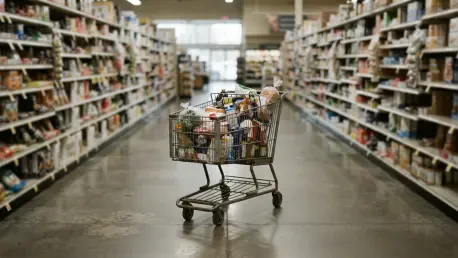
When analyzing the financial consequences of these operational shortcomings, the data points to a specific monetary threshold that defines consumer patience. The average value of a single abandoned shopping trip is currently estimated at $113, a figure that represents a significant portion of the average household’s discretionary spending. This Peak Hour Penalty is particularly damaging because it disproportionately affects high-value transactions that require more deliberation and assistance. For instance, twenty-four percent of consumers reported walking out of stores where they had intended to spend over $100, while forty-three percent abandoned trips with a budget exceeding $50. These are not merely impulsive losses of small-ticket items; these are planned, budgeted expenditures that are being redirected or canceled entirely due to the physical environment of the store. When a customer enters a building with a clear intent to spend a hundred dollars and leaves with nothing, the retailer has failed at the most fundamental level of commerce.
The broader implications of these individual walkouts suggest a massive, industry-wide drain that could total billions of dollars annually if left unaddressed. Because the majority of these abandoned trips involve items that shoppers were fully prepared to purchase, the failure is almost entirely operational rather than a lack of consumer interest. When a store is unprepared for its busiest windows, it effectively hands guaranteed revenue to competitors who have invested in better organization and execution. Many retailers often underestimate the cumulative effect of these losses, viewing a single walkout as a minor inconvenience rather than a symptom of a larger structural flaw. However, the consistent failure to have the right staff in place to facilitate these high-value sales means that businesses are missing out on income that has already been allocated by the consumer. In a low-margin environment, the inability to capture this pre-budgeted revenue can be the difference between a profitable quarter and a significant fiscal setback.
The Erosion of Long-Term Brand Loyalty
Beyond the immediate loss of a single sale, peak hour chaos poses a significant threat to long-term customer retention and overall brand health. More than half of surveyed shoppers reported that they have either stopped visiting a specific store entirely or significantly reduced their visits after experiencing repeated bad trips. These instances of poor execution signal to the customer that their time is not valued, prompting them to take their business elsewhere. Loyalty is no longer a guaranteed asset; it is a conditional state that must be maintained through consistent store readiness. When a customer encounters closed checkout lanes during a rush or finds themselves unable to locate an associate for assistance, the emotional frustration often outweighs their historical connection to the brand. This migration of regular shoppers to more organized competitors creates a vacuum that is difficult to fill, as the cost of acquiring a new customer far exceeds the investment required to keep an existing one through better planning.
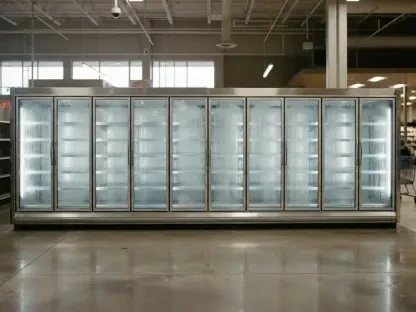
The definition of a bad trip has expanded to encompass the entire physical state of the store, including the availability of products and the cleanliness of the aisles. For instance, forty-six percent of shoppers have encountered empty shelves during peak periods, and forty-eight percent have faced the frustration of seeing closed checkout lanes in a packed store. These instances of poor execution signal to the customer that the retailer is not focused on their needs. Retailers often rely on regular customers to provide a steady baseline of revenue, but this loyalty is becoming increasingly fragile in the face of persistent disorganization. When shoppers feel that their shopping experience is becoming a chore rather than a convenience, they are quick to abandon their favorite brands. The erosion of this trust leads to a downward spiral where decreased traffic further impacts the ability to fund necessary operational improvements, making it vital for companies to address these frustrations before they result in permanent customer loss.
Evolving Perceptions of Store Accountability
Why Do Shoppers Blame Corporate Management?
Modern consumers have become increasingly sophisticated in how they view store operations and who they hold responsible for a poor experience. In the past, shoppers might have blamed frontline employees for slow service, but fifty-nine percent of respondents now attribute disorganization to corporate headquarters or store management. Only a small fraction of eight percent blame the workers on the floor, reflecting an understanding that employees can only be as effective as the schedules and tools provided by their superiors. This shift in sentiment indicates that the public recognizes the difference between an individual performance issue and a systemic lack of support. Shoppers are aware that a cashier cannot open an additional lane without management approval, nor can a floor associate stock a shelf if the inventory was never ordered or delivered. This clarity of perspective puts the burden of proof squarely on the shoulders of leadership to demonstrate that they are providing their staff with the resources to succeed.
This perception is reinforced by the fact that seventy-four percent of shoppers consider understaffing during peak times to be a specific planning failure rather than a stroke of bad luck. Consumers recognize that retail traffic often follows discernible patterns, such as the Friday evening rush or the mid-Saturday surge. When a store is overwhelmed at a time that should have been anticipated, the modern shopper views it as a failure to use available data and scheduling tools effectively. This means that retailers can no longer hide behind unexpected surges to justify poor customer service or long wait times. Instead, the focus has shifted toward how well a company utilizes its operational intelligence to prepare for these moments. If a customer sees long lines at 5:00 p.m. on a weekday, they view it as a conscious decision by management to prioritize labor costs over the customer experience. This realization has significant implications for brand reputation, as consumers are more likely to penalize a company they perceive as being intentionally negligent.
Implementing Technology: Enhancing Store Alignment
To successfully combat the Peak Hour Penalty, retailers must move from reactive management to proactive store alignment through the use of advanced systems. Consumers are vocal about the improvements they want to see, with sixty-four percent requesting more open checkout lanes and forty-two percent asking for better-stocked shelves. Interestingly, many shoppers are even willing to pay a premium for a more efficient experience, with over half of respondents indicating they would pay more for a $100 purchase if it meant shorter lines and readily available help. This suggests that efficiency is no longer just a convenience but a valuable service that customers are willing to subsidize for a smoother experience. Retailers who leverage technology to ensure their store is ready for the rush can differentiate themselves from competitors who rely on manual, outdated methods. By prioritizing the human-to-human interaction through better-allocated labor, stores can create an environment where the customer feels supported rather than ignored.
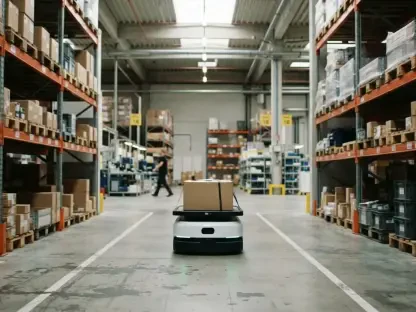
The findings from the Logile report demonstrated that the cost of peak hour chaos extended far beyond the immediate loss of a single sale. Retailers that failed to synchronize their labor scheduling with inventory replenishment found that their long-term brand health suffered as customers migrated to more efficient competitors. The data indicated that consumers were sophisticated enough to recognize management failures, making it clear that accountability rested at the corporate level rather than on frontline staff. To resolve these issues, industry leaders began prioritizing AI-powered demand forecasting and integrated store execution tools that allowed for proactive preparation. By treating store readiness as a holistic discipline, forward-thinking businesses successfully mitigated the Peak Hour Penalty and converted high-traffic periods into sustained growth. Moving forward, the integration of technology and human labor remained the most viable path toward meeting the heightened expectations of the modern shopper while protecting the underlying revenue stream from preventable walkouts.