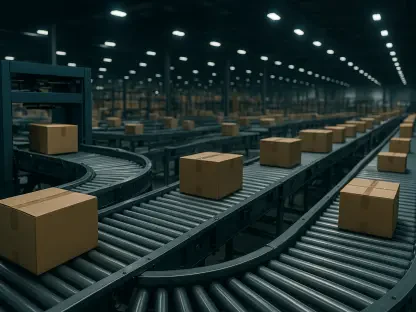

The once-reliable rhythm of the American retail landscape has been fundamentally reconfigured by a persistent climate of trade volatility, transforming logistical planning from a seasonal exercise into a high-stakes geopolitical chess match. While the industry previously revolved around the

The velocity at which retail data circulates has surpassed the human capacity to process it manually, turning the traditional spreadsheet from a tool of clarity into a source of operational paralysis. Success in the current landscape depends on the rapid transition from reactive reporting to

In the fast-paced world of modern retail, the gap between a customer’s desire and their final purchase is shrinking, driven largely by the invisible hand of artificial intelligence. To help us navigate this shift, we are joined by Zainab Hussain, a seasoned e-commerce strategist who has spent her

Navigating the High Cost of Operational Inefficiency in Modern Commerce The financial hemorrhaging currently afflicting the global retail sector has reached a staggering zenith, with approximately $1.75 trillion vanishing annually due to the pervasive and structural mismanagement of physical goods.

Modern commerce is no longer defined by the height of a storefront or the depth of a catalog, but by the invisible intelligence that choreographs every movement from the first click to the final delivery. The retail landscape is undergoing a radical transformation, moving from static, manual

The traditional reliance on static spreadsheets has finally reached its breaking point as modern logistics demands a level of precision that human cognition simply cannot sustain alone. Supply chain management has moved beyond reactive responses, embracing a paradigm where machine learning and