


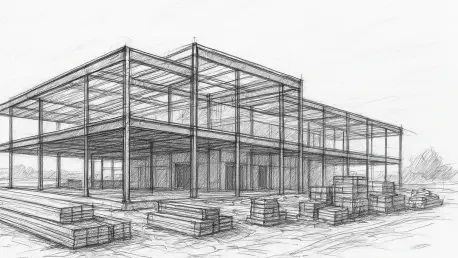

The physical landscape of the Mexican construction sector is currently undergoing a profound transformation as global retail giants pivot toward hyper-localized infrastructure and domestic manufacturing integration. This shift is epitomized by a new MX$500 million investment in Lerma, signaling a move beyond simple store presence toward a deeper immersion in the regional economy. The current retail environment in Mexico serves as a cornerstone for national growth, bridging the gap between professional industrial needs and the burgeoning do-it-yourself culture that has taken root across the country.
Large-scale renovation retailers now dictate the pace of market evolution, successfully coexisting with a vast network of over 35,000 traditional hardware units. While local shops offer proximity, the major players provide a comprehensive ecosystem that integrates professional services with maintenance and industrial supply. This synergy creates a robust framework that supports both residential renovation and large-scale urban development, ensuring that the construction sector remains a primary driver of the gross domestic product.
The State of the Mexican Home Improvement and Construction Market
The dominance of hardware and renovation retailers within the Mexican economy is increasingly defined by their ability to provide centralized solutions for a fragmented market. In a landscape where small-scale providers traditionally thrived, the introduction of large-format stores has standardized pricing and inventory availability across major metropolitan areas. This shift allows for more predictable project planning for both professional contractors and individual homeowners who require reliable access to specialized materials.
The synergy between professional construction services and the DIY segment has become a critical engine for retail stability. By catering to industrial maintenance alongside home improvement, retailers capture a diverse revenue stream that remains resilient even during shifts in the broader real estate market. This multi-segmented approach ensures that the competitive ecosystem is no longer a simple contest between multinational players and local hardware stores but a complex network where digital integration and logistical efficiency determine long-term success.
Strategic Drivers and Market Projections for 2030
Emerging Trends in Consumer Behavior and Domestic Sourcing
A significant pivot in modern strategy involves the transition from globalized imports to a self-sustaining domestic production model. The primary objective is to move toward 100% Mexican-made products by 2028, a target that leverages the current nearshoring boom to minimize international shipping risks. By prioritizing local manufacturing, retailers reduce their exposure to currency fluctuations while simultaneously elevating the quality of regional production to meet demanding international standards.
Domestic manufacturers are no longer confined to local sales; they are increasingly being folded into broader North American supply chains. One in ten local suppliers currently exports goods to stores in the United States and Canada, demonstrating the high level of industrial maturity present in the region. Selecting strategic hubs like Lerma allows these companies to capitalize on high-density economic corridors, ensuring that products move efficiently from the factory floor to the retail shelf.
Growth Forecasts and Financial Commitments
The financial commitments backing these expansions are substantial, with a long-term capital expenditure plan totaling US$1.3 billion. The primary objective is to surpass 160 stores nationwide by the end of the decade, moving steadily from the current count of 144 locations. In 2026 alone, a capital plan of MX$4.8 billion is being deployed to enhance infrastructure and scale physical footprints. These indicators suggest a market that is not just expanding but also consolidating its presence in underserved territories.
The significance of these investments is reflected in performance indicators that highlight a growing market share for organized retail. By utilizing data from the 2026 capital deployment, analysts project a steady increase in the valuation of the home improvement sector as infrastructure scaling meets the rising demand for modern housing. This progression toward end-of-decade targets is supported by a stable macroeconomic environment that favors long-term corporate commitments over short-term gains.
Navigating Operational Hurdles and Supply Chain Complexity
Managing such a massive operation involves navigating significant logistical bottlenecks, particularly when dealing with diverse inventories across varied geographical terrains. Central hubs like Tlalnepantla are vital for coordinating the movement of thousands of stock-keeping units from production sites to store shelves. However, the complexity of the Mexican landscape requires a sophisticated approach to mitigate the risks of overstocking or chronic stockouts, which can derail profitability in a volatile climate.
Human capital shortages present an additional hurdle that requires proactive intervention through government and educational collaborations. The gap between traditional labor and the needs of a tech-enabled warehouse is widening, necessitating the training of a specialized workforce. Overcoming these gaps in skilled labor is essential for maintaining the operational pace required by modern retail, where logistics roles are increasingly defined by technical proficiency rather than manual labor.
Regulatory Landscape and Legal Certainty in Regional Development
Legal certainty remains a non-negotiable requirement for billion-dollar investments to thrive in the current economy. Partnerships with the Ministry of Economic Development provide a transparent framework that encourages long-term commitment from foreign investors by offering clear guidelines for regional development. Adhering to evolving labor laws and strict construction regulations is a complex task, but it ensures that expansion is sustainable and socially responsible across all state-level jurisdictions.
Ensuring compliance with international corporate standards while respecting local regulations creates a stable environment for continuous investment. This regulatory stability is what allows the retail sector to act as a reliable anchor for regional economic development, particularly in high-growth states. Transparent frameworks not only protect the interests of the corporation but also ensure that the local communities benefit from the infrastructure and employment opportunities generated by these massive projects.
The Future of Retail: Artificial Intelligence and Domestic Resilience
The future of the industry is being written in code, with artificial intelligence now driving precision in demand forecasting and inventory control. Machine learning algorithms analyze historical consumption data alongside external variables like weather patterns to predict what customers will need before they even know it themselves. This technological integration transforms the retail experience from a passive transaction into a data-driven service that maximizes efficiency throughout the entire supply chain.
Transitioning to a self-sustaining retail model is as much about domestic resilience as it is about profit margins. By fostering a local manufacturing ecosystem, the industry insulates itself from global supply shocks and trade tensions. This modernization also changes the role of the retail employee, who is evolving from a floor clerk into a tech-enabled consultant. This shift ensures that the workforce remains relevant as automation and digital tools become the standard operating procedure for the sector.
Conclusion: Strengthening the North American Retail Infrastructure
The strategic allocation of MX$500 million for the Lerma expansion provided a definitive blueprint for how multinational entities successfully integrated into the Mexican industrial landscape. It became clear that stakeholders who prioritized local manufacturing and technological agility were best positioned to capture the long-term growth of the North American market. This investment phase established a standard for regional cooperation, where corporate goals and state-level economic development worked in tandem to stabilize the supply chain.
Moving forward, local manufacturers sought to digitize their own inventories to align with AI-driven procurement systems that rewarded speed and reliability. Investors recognized that looking beyond traditional urban centers toward secondary logistics hubs offered lower operational costs and government-backed legal certainty. Finally, the integration of educational programs with corporate needs remained the only viable method for securing a sustainable labor pipeline in an increasingly automated retail environment.







